Dark Lip Neutralization
Neutralization cancels a cool, blue or brown cast with warm corrective pigment before any colour goes on. It takes two to three sessions on average and up to four for very dark lips, with 8–12 weeks between them so the skin recovers fully. After the first session lips can look orange or peachy — that stage is part of the process, not a mistake.
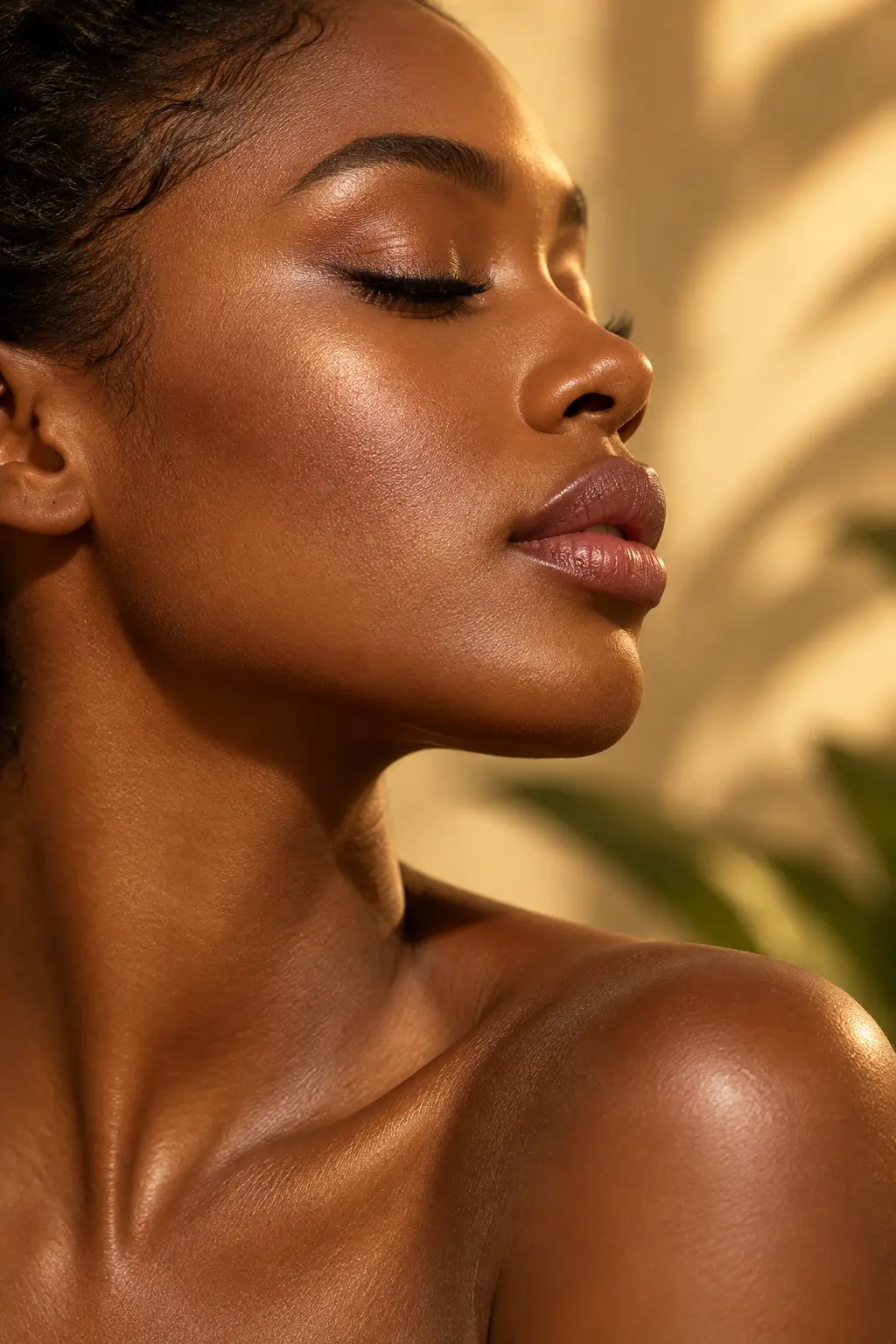
Have you been told that permanent lip makeup isn’t for you because of your dark or cool natural shade? Are you afraid that any pigment on your lips will turn gray or even darker? Forget those fears! There’s an advanced, highly specialized technique designed specifically to solve this problem – dark lip neutralization.
This isn’t just a tattoo,it’s a true art and science that allows you to transform cool, bluish, or brown lips into soft peach, pink, or coral. In this guide, we’ll reveal all the secrets of color correction for dark lips, we’ll explain why this process requires multiple sessions and show you how you can get the lips of your dreams, even if you previously thought it was impossible.
What is dark lip neutralization and who needs it?
Let’s start with the basics. Dark lip neutralization is a specialized permanent makeup procedure for people with high melanin levels in their lips.
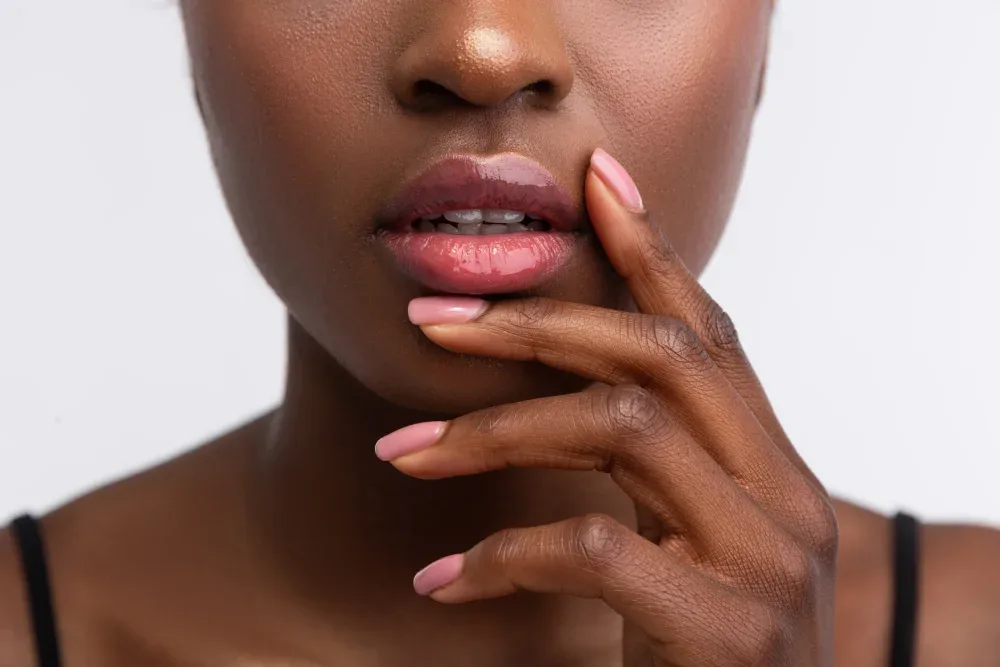
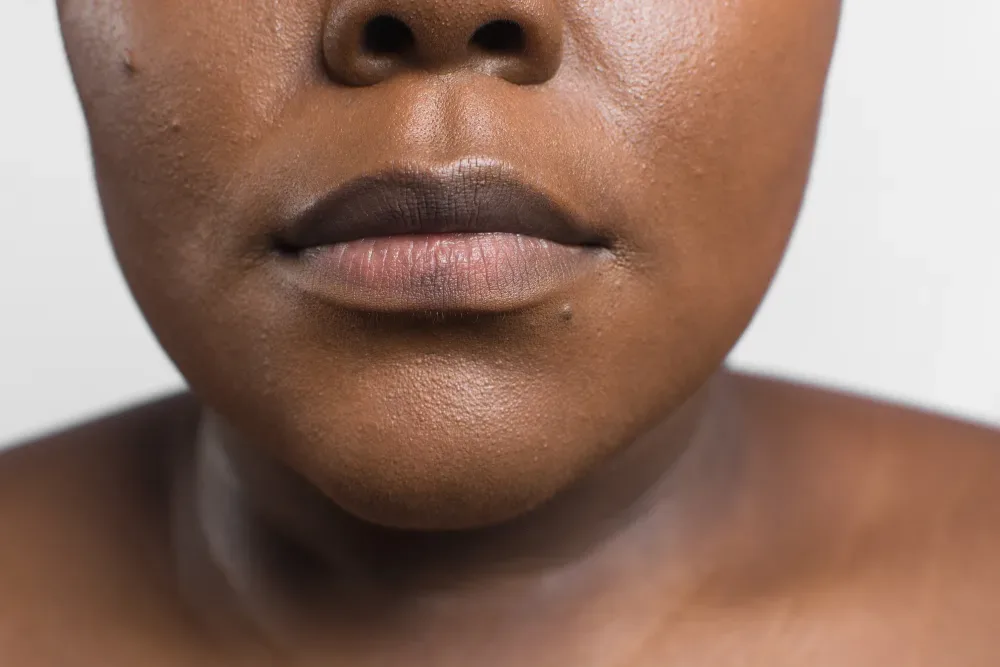
Understanding Lip Hyperpigmentation – Cool, Blue, Purple, Brown Tones
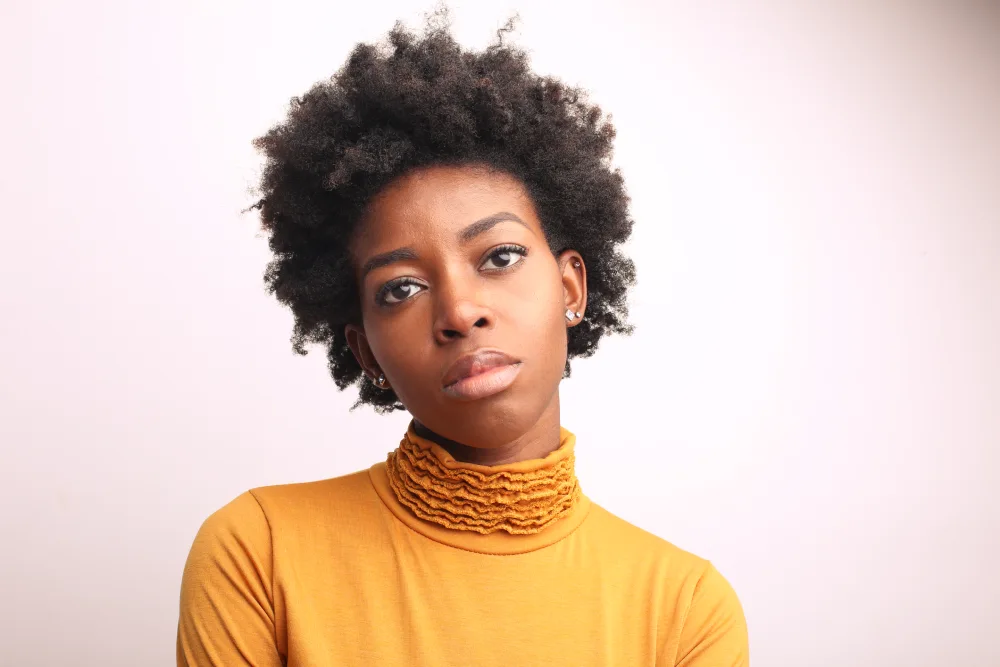
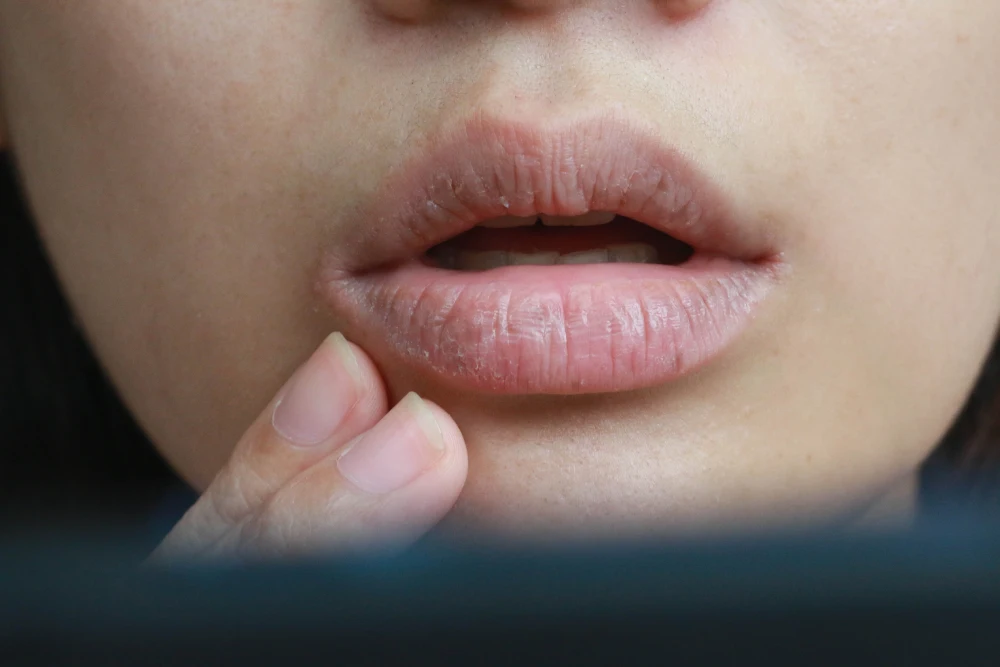
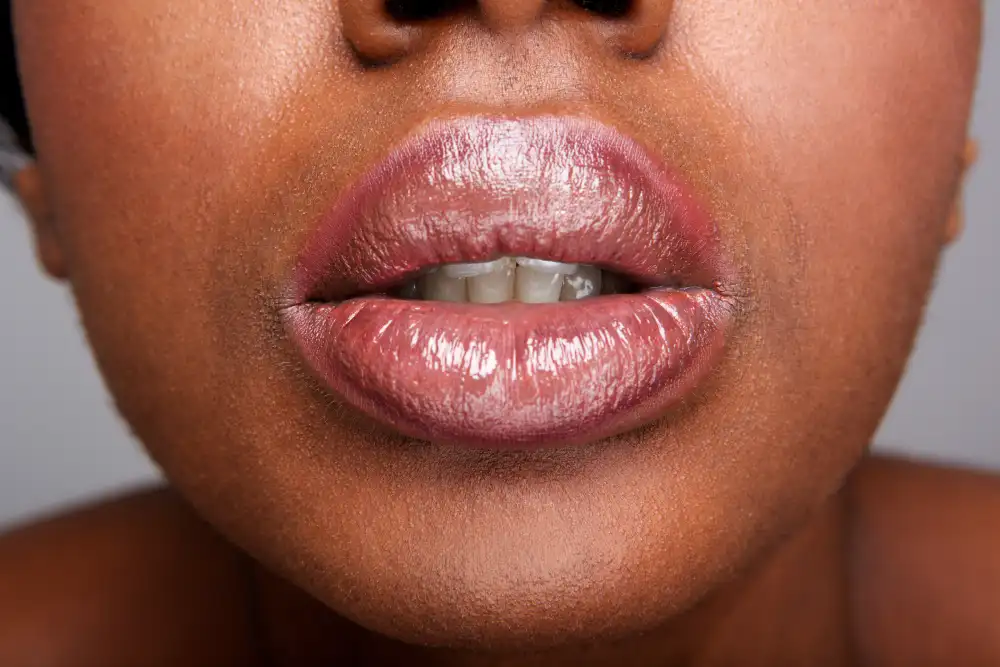
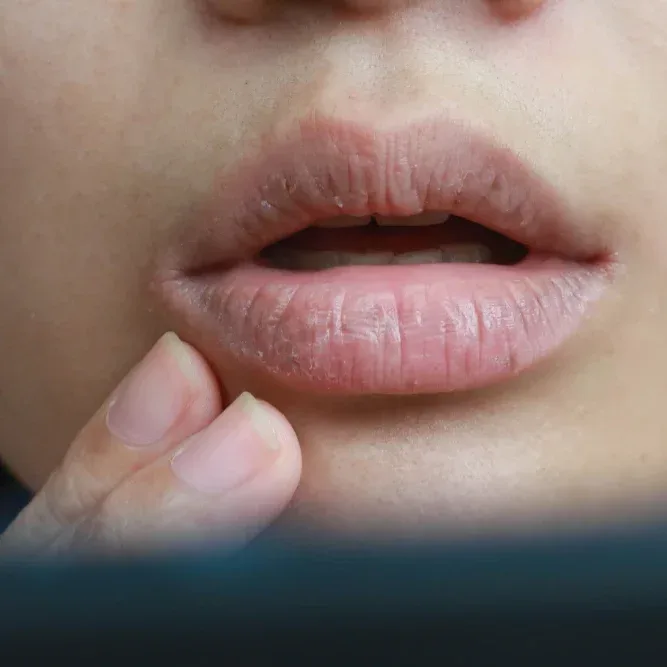
Lip hyperpigmentation is a condition in which the lips have a naturally dark, often uneven color with cool undertones (blue, purple, gray, or brown). This isn’t a problem, but rather a genetic trait common among people with Fitzpatrick skin types III-V. This condition requires a special approach, and a special treatment has been developed for hyperpigmentation lip treatment in the form of a tattoo.
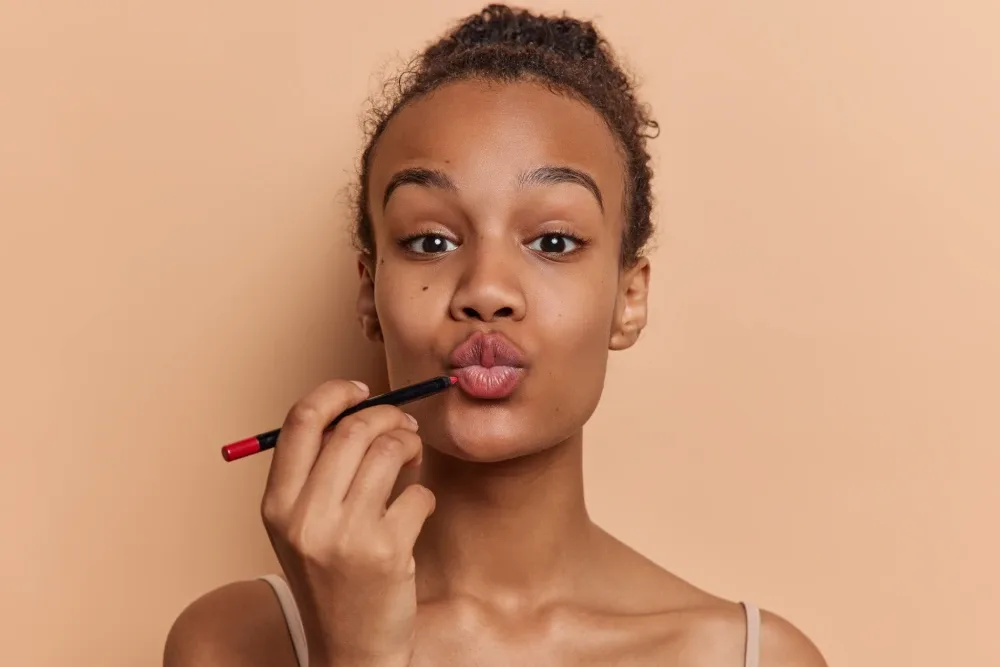
Why can’t you just apply pink pigment to dark lips?
Imagine trying to draw with a pink marker on blue paper. What do you get? A muddy, purple hue. The same color law applies to lips. If you apply a standard pink pigment to lips with a blue undertone, it will mix with the natural color and turn purple or gray after healing. Standard lip blushing on dark lips does not work.

Ruzanna
17 years of experience
Important
The neutralization procedure is suitable not only for ethnically dark lips, but also for those whose lips have acquired a cool tone due to age or injury.
How many sessions your own lips need is a question for the chair, not the calculator.
The Science of Color Correction – How Neutralization Works
The procedure is based on the fundamental law of color theory.
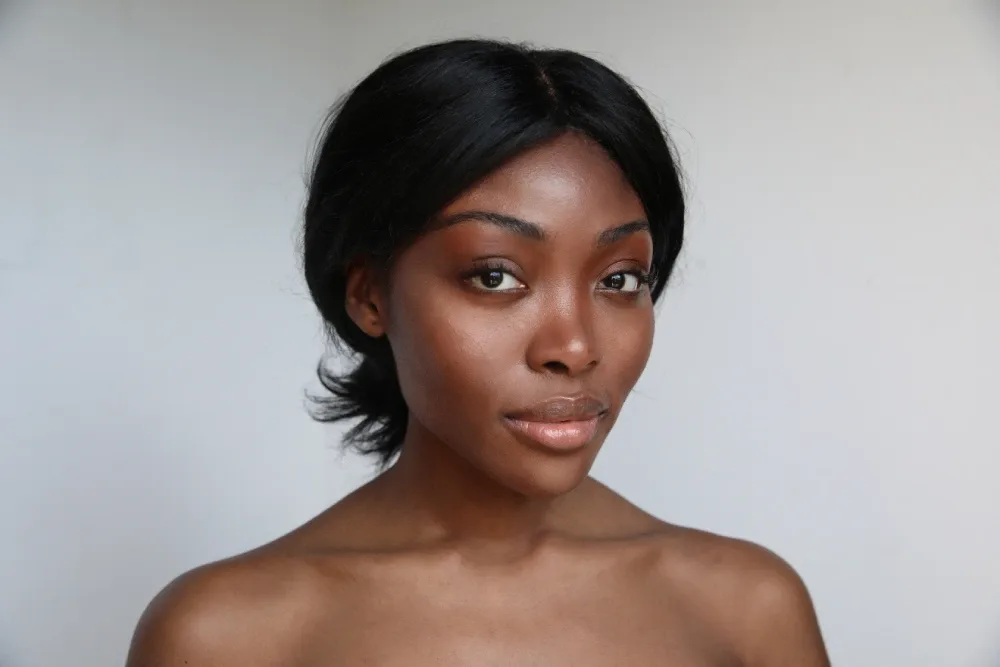
Using Color Theory to Counteract Cool Tones
To “cancel” an unwanted color, use its opposite on the color wheel. The opposites of blue and violet are orange and yellow. These colors are the ones that can neutralize cool undertones.
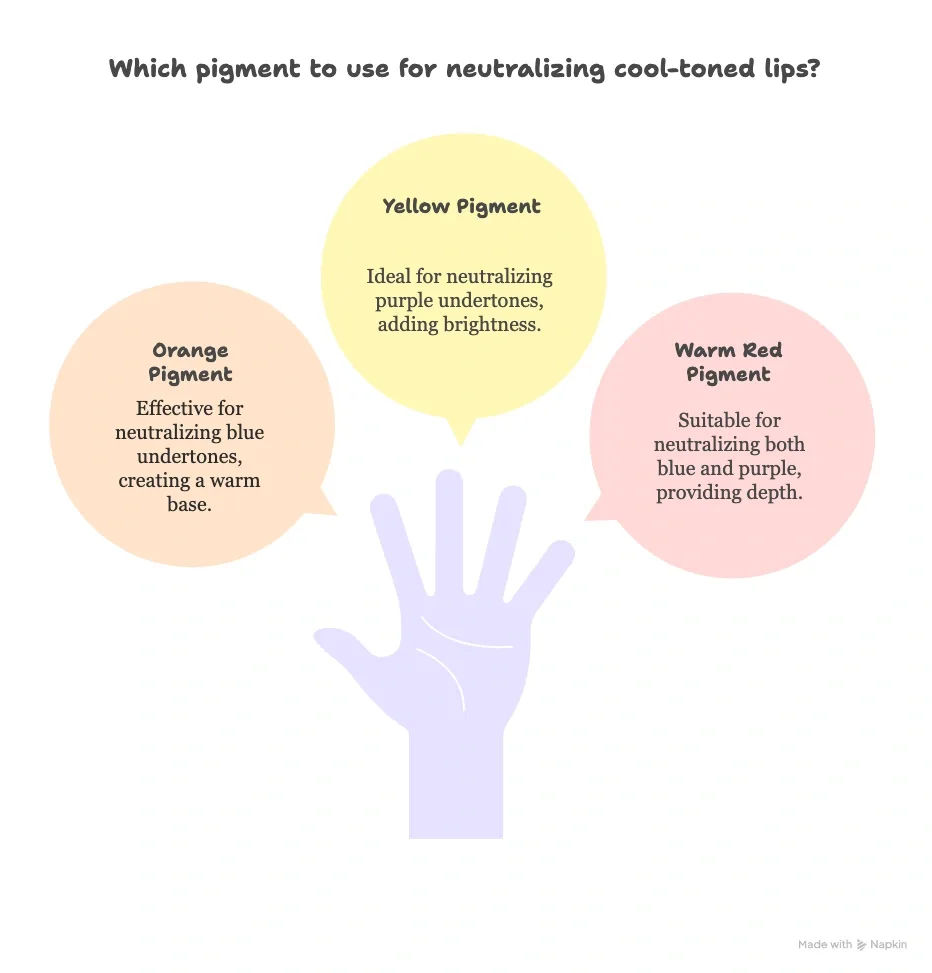
The role of warm-toned pigments – orange, yellow, warm red
During the first session, the artist uses a special neutralizing pigment, not the color you’re aiming for. These pigments are typically orange, yellow, or fiery red. Their purpose is to “cover up” the blue tones and create a warm, neutral base. Choosing the best pigment for dark lips at this stage is the key skill of the master.
Yelena
7 years of experience
It is noteworthy that
after the first session your lips may look bright orange or be a peachy color, but don’t worry, this is a necessary step.
The Lip Neutralization Process – A Journey of Multiple Sessions
Unlike standard tattooing, neutralization almost always requires at least two, and sometimes three sessions.
Step 1 – Consultation and assessment
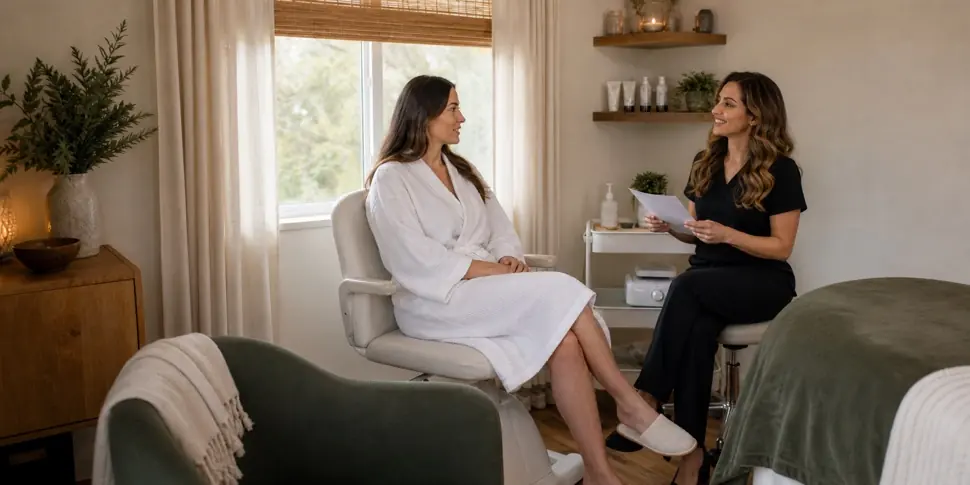
This is the most important step! The technician will assess your natural lip color, determine its undertone, and explain a realistic plan of action and the number of sessions required.

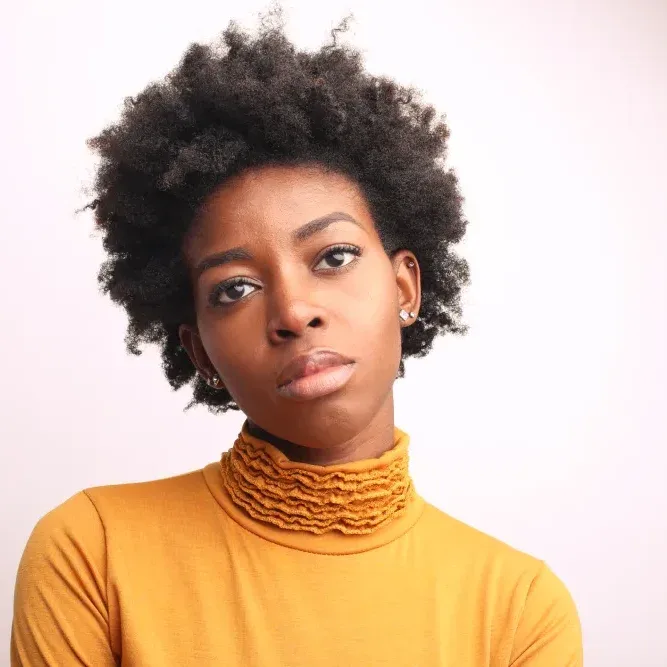
Step 2 – First session – application of neutralizing color
The artist applies a warm, corrective pigment to the lips. The goal of this session is solely to neutralize cool undertones and even out the tone.
Step 3 – Extended Healing Process – Why It Takes Longer for Dark Lips
Skin rich in melanin is often more prone to post-inflammatory hyperpigmentation. Therefore, the healing process may take longer, and at least 8-12 weeks should be allowed between sessions to allow the skin to fully recover.
Step 4 – Second or third session – neutralization assessment and target color application
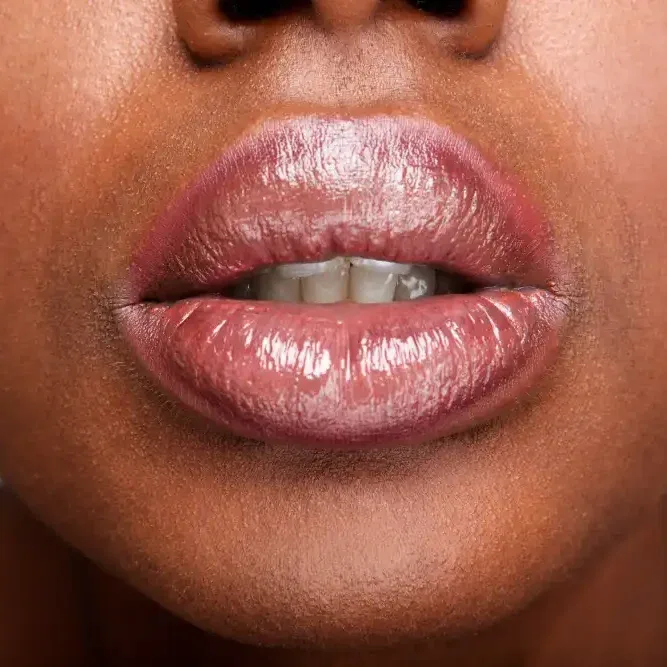
During the second session, the technician assesses how well the cool tone has been neutralized. If the base has become warm and even, your target color (for example, pink or berry) can be applied. If blue tones still appear, another neutralization session may be necessary.

Natasha
12 years of experience
Soviet
Be patient. Trying to rush the process and apply the target color to a poorly neutralized base will lead to disappointing results.
Critical Care Before and After Lip Neutralization
For melanin rich lips tattoo the rules of care are even more strict.
Why you MUST take antiviral medications if you are prone to herpes
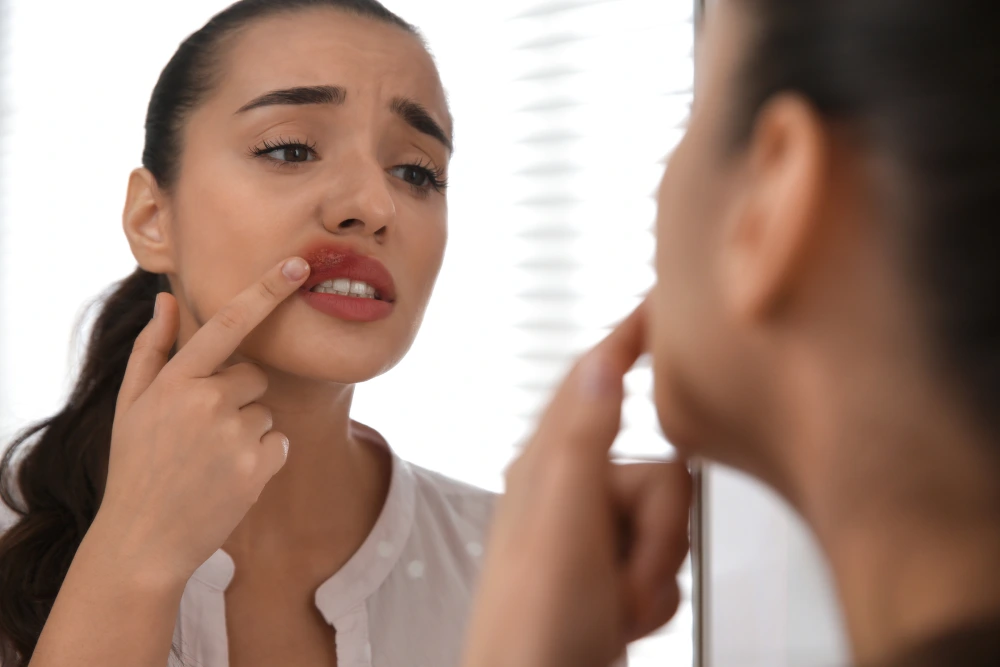
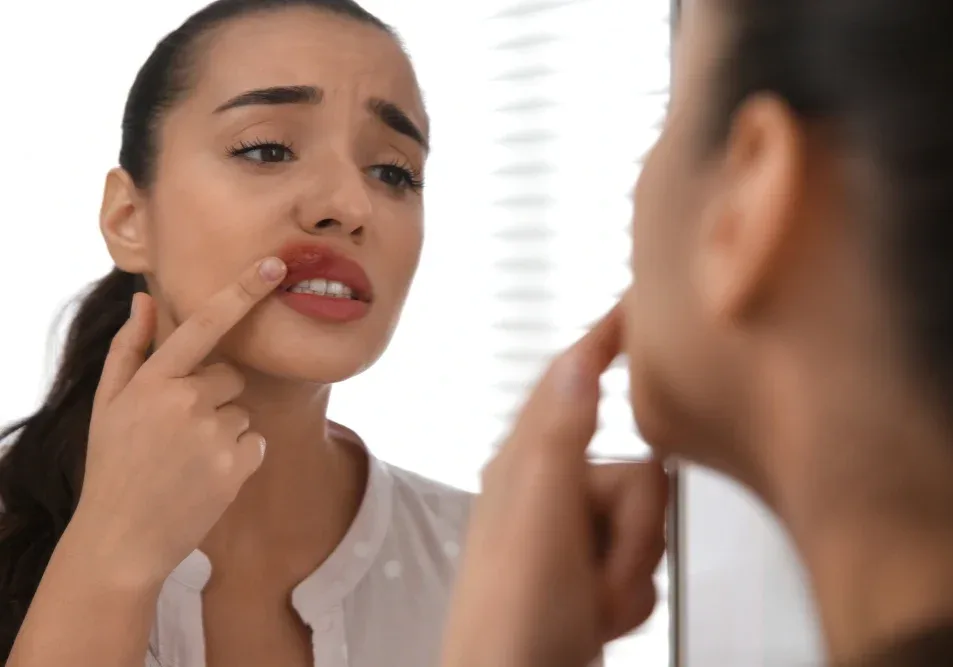
Skin prone to hyperpigmentation may react to a herpes outbreak by developing dark or light spots that are very difficult to treat. Herpes prevention is absolutely essential in this case.
Avoiding sun exposure is critical for melanin-rich skin
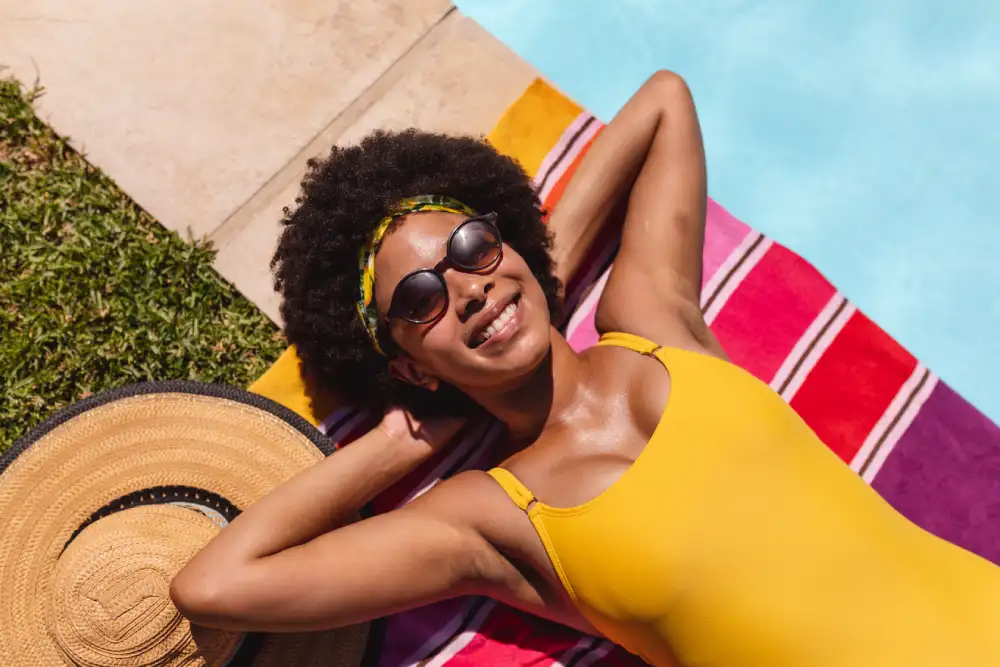
The sun is the main stimulator of melanin production. Exposure of healing lips to UV rays can trigger post-inflammatory hyperpigmentation and undo all the work of the artist. Make sure to use a lip balm with SPF 50+ at all times.


Aliz
11 years of experience
Careful
Improper care can not only worsen the result, but also lead to the formation of new pigment spots.
Lip Neutralization FAQ
Great Results Start with Proper Neutralization
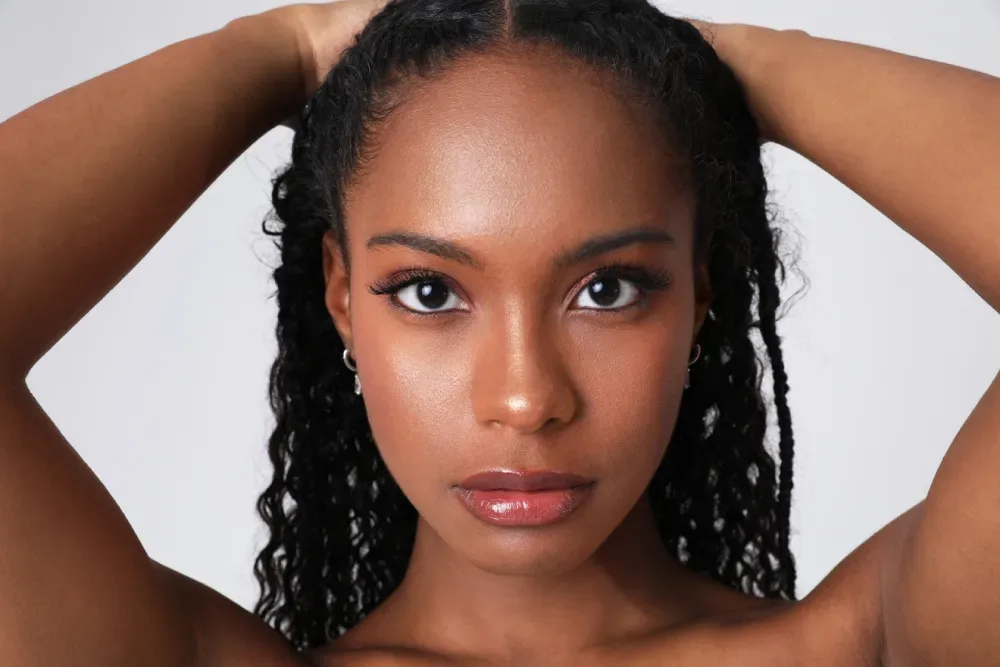
Procedure dark lip neutralization is one of the most complex and demanding techniques in permanent makeup. It requires not only impeccable skills but also a profound knowledge of coloristics. When choosing a specialist for lip tattoo on dark lips, you must be confident in his experience with exactly such cases.
Don’t be afraid to ask questions, ask to see a portfolio of healed neutralization work, and trust a professional who is honest about the multi-step process. It’s a challenging process, but the result – beautiful, vibrant, and natural-looking lips – is worth it. If you want to learn more about how to choose such a specialist, read our guide to choosing a master.
Free Consultation
What the process really looks like.
- Not only ethnic pigment: the technique also suits lips that turned cool with age or after an injury.
- Sessions: two to three for most clients, up to four when lips are very dark and cool.
- Waiting is the work: 8–12 weeks between sessions; rushing the next pass is what ruins the colour.
- The orange stage: a warm, peachy look after the first session is expected — it is the base the final shade sits on.
Book a consultation and we will map your neutralization plan honestly.
Book lip neutralizationDark lip neutralization. Questions answered plainly.
How many sessions will I need?
Two to three on average, up to four for very dark or strongly cool lips. No one can promise the exact number at the first consultation — the skin answers that as it heals.
Why must I wait 8–12 weeks between sessions?
Corrective work goes deeper into the healing cycle than a standard blush. The skin needs the full interval to recover before the next pass, or the pigment sits unevenly.
My lips look orange after the first session. Is that wrong?
No — that is the expected stage. The warm layer is what stops the blue undertone from turning the final colour grey.
Who is this for?
Anyone whose lips read blue, brown or grey under pigment — whether naturally, with age, or after trauma.
What can ruin the result?
Poor aftercare. Skipping the protocol can both dull the colour and provoke new uneven patches, which is why the care list above is not optional.
Will I be able to choose my final lip color?
Yes, but only during the second or third session, after a neutral base has been created. Your choice will be limited to a palette guaranteed to produce a beautiful result on your lips.