MACHINE HAIR-STROKE BROWS
Nano Brows in Jacksonville
Ultra-fine hair strokes.
Natural-looking definition.
THE TECHNIQUE
Hair-like brows – created with a machine, not a blade
Nano Brows, also called nano eyebrows, is a permanent makeup technique that recreates the look of natural hairs where growth is sparse or uneven. The artist works with a digital PMU machine fitted with a fine needle. Each stroke mimics a single hair, with small gaps of visible skin between the strokes for a natural finish.
How Does the Artist Make the Brows Look Natural?
Take a closer look at how eyebrow hairs grow. Those closest to the nose tend to point upward, while the hairs farther out gradually angle toward the temples.
To recreate that pattern, the artist plans the length, angle, and placement of every stroke. That matters even more when brows have gaps or grow unevenly. By working new strokes into the existing hair pattern, the artist can make sparse sections look fuller while keeping the brows’ natural texture.
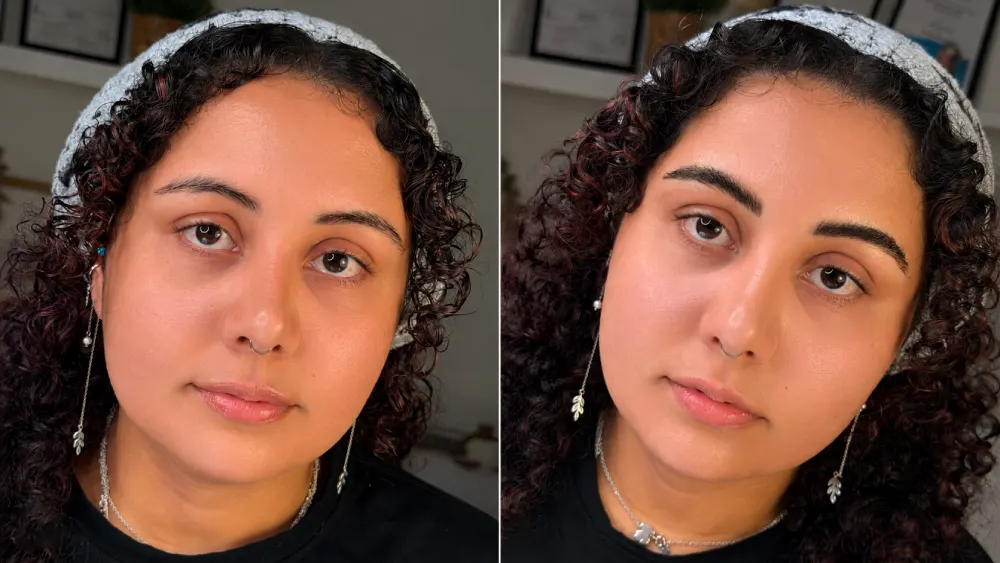
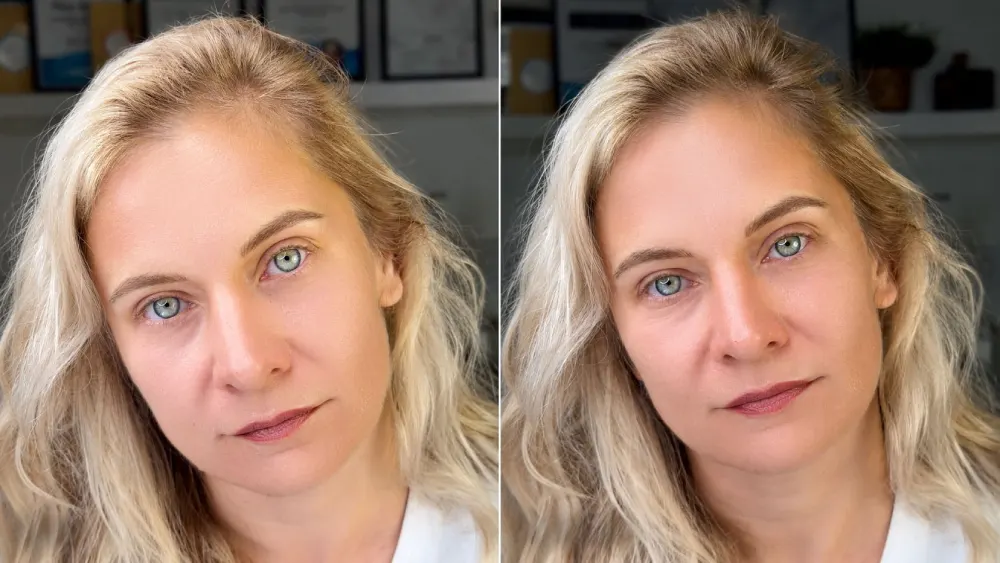
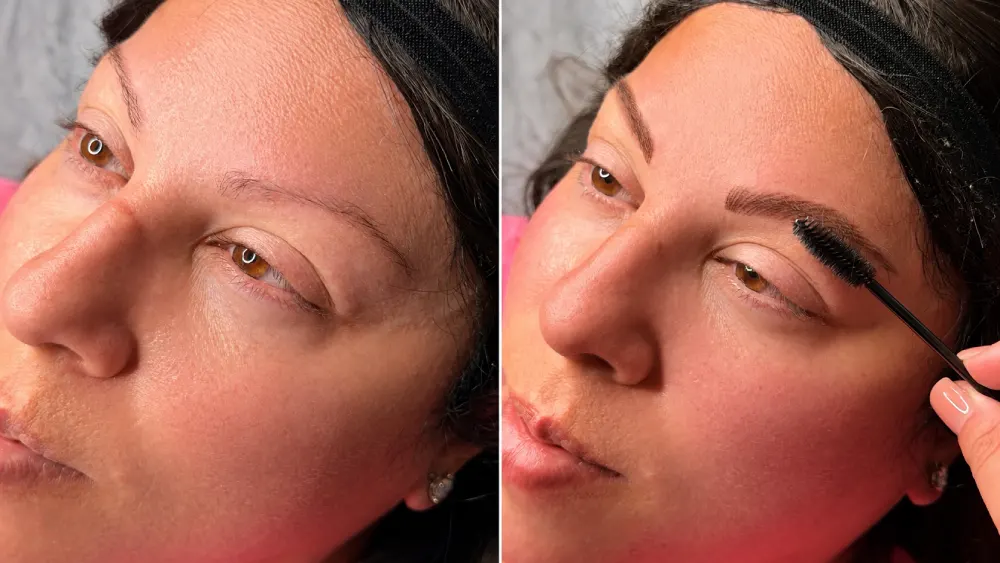
REAL CLIENT RESULTS
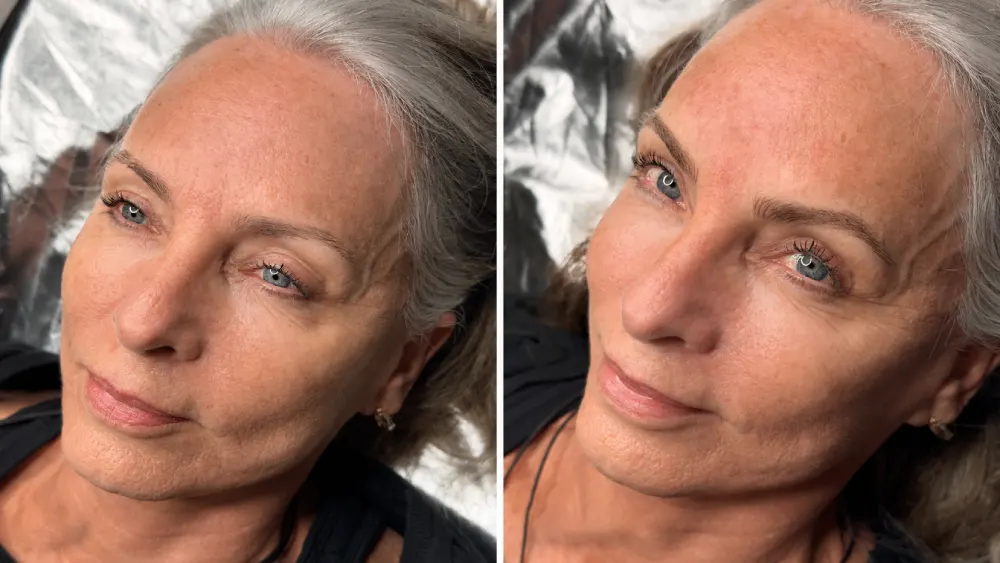
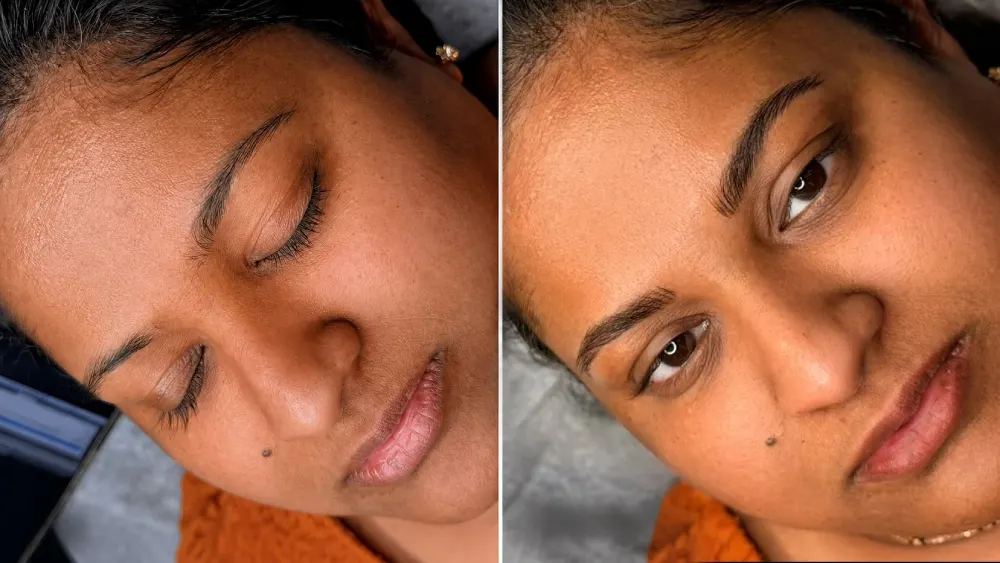
Nano Brows. Before & healed
IS IT FOR YOU?
Designed for brows that still look like brows
SPARSE OR PATCHY BROWS
Fine hair-like strokes fill in visible gaps and blend with your natural hair.
THIN OR OVER-TWEEZED BROWS
Even when very little natural hair is left, carefully drawn strokes can make your brows look fuller.
WANTS A NATURAL LOOK
For anyone who wants a little more fullness but worries permanent makeup will make their brows look tattooed.
WANTS DEFINITION WITHOUT A POWDERED LOOK
Instead of an all-over shaded makeup effect, the artist adds individual strokes for more shape and definition.
UNEVEN OR ASYMMETRICAL BROWS
Carefully placed strokes can make differences in shape, length, or hair density less noticeable.
If you have a previous brow tattoo or faded permanent makeup, your artist needs to evaluate it before moving forward with Nano Brows. They’ll check how much pigment remains and how saturated the existing color is, since that affects how clearly the new hair strokes will show.
WHAT HAPPENS IN THE CHAIR
Your Nano Brow appointment, step by step
CONSULTATION
Talk through your existing hair, preferred shape, and how much definition you want.
BROW MAPPING
Your artist maps the shape to your facial proportions and the direction of existing hairs.
COLOR SELECTION
Your artist picks a pigment shade that works with your natural eyebrow hair and overall coloring.
NUMBING
A topical numbing product goes on first to make the procedure more comfortable.
NANO STROKES
Using a PMU machine with a fine needle, the artist creates one hair-like stroke at a time, following the direction of your existing hairs.
AFTERCARE
Before you leave, you'll get detailed guidance on caring for the treated area while it heals.
THE HEALING PROCESS
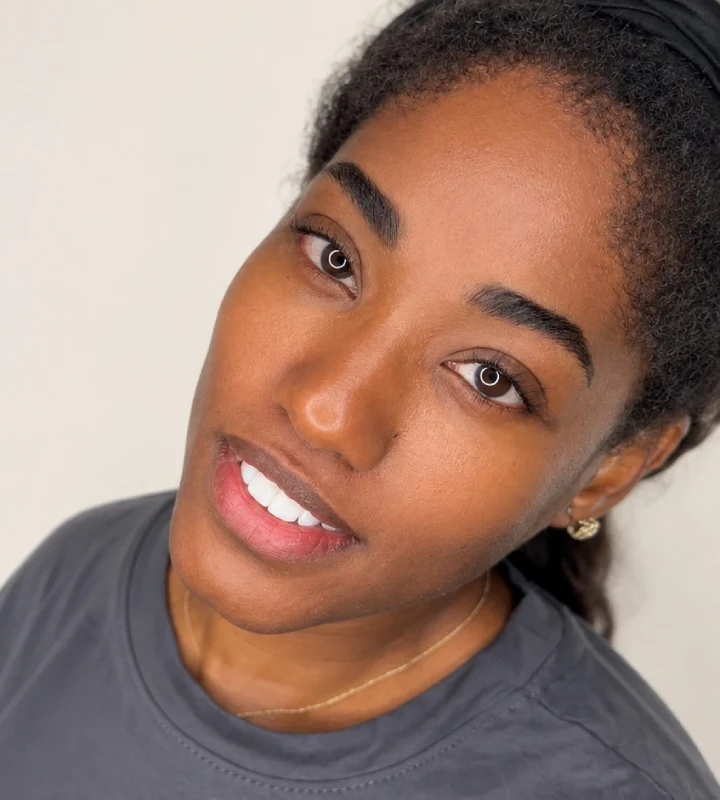
Fresh today. Softer as they heal
FIRST FEW DAYS
Your brows might look darker and more defined than expected, and mild redness, swelling, or tenderness is normal. Don't judge the final color or shape just yet.
DURING THE FIRST 1–2 WEEKS
As the skin heals, you may notice light flaking, dryness, or itching, and the color typically starts to soften. Don't pick at flakes or scabs, even if some strokes look uneven.
AROUND 4–6 WEEKS
Once the initial healing period is over, your artist can get a clearer read on the color, stroke definition, and pigment retention. Some areas may look lighter than others.
PERFECTING SESSION
If needed, a touch-up after healing can refine lighter areas, adjust the color, or add density.
What Should You Avoid While Your Brows Heal?
Follow your artist’s aftercare instructions. Don’t scratch or rub the treated area, apply makeup directly over healing skin, or expose it to direct sunlight. Wait until the skin has fully healed before going back to your usual skincare routine.
HOW LONG DOES IT LAST?
Long-lasting – but intentionally not forever
The pigment gradually fades over time. Results are often reported to last around 1–3 years, but not everyone follows the same timeline. How quickly the strokes fade depends on several things, including your skin type, time in the sun, skincare products, daily habits, aftercare, and how well your skin holds the pigment.
How to Make Your Nano Brows Last Longer
Protect your brows from the sun
Once they're fully healed, apply SPF 30+ and reapply regularly outdoors. It matters even more in sunny Florida.
Be careful with active skincare ingredients
Keep retinoids, exfoliating acids, and strong peeling products off the treated skin unless your specialist says otherwise.
Don't pick at flaking skin
During healing, avoid rubbing or scratching the area, since picking at scabs can affect pigment retention.
Schedule a follow-up appointment
After 4–6 weeks, your artist can check how the strokes healed and let you know if you need a touch-up.
START YOUR BROW TRANSFORMATION
Nano Brows Price & What’s Included
Included:
- Custom consultation
- Brow mapping
- Personalized pigment selection
- Nano hair-stroke procedure
- Aftercare instructions
FAQ
How Are Nano Brows Different from Other Brow Treatments?
Nano Brows creates realistic, hair-like strokes that mimic natural eyebrow hairs.
The technique uses a digital permanent makeup machine with a fine needle rather than a blade.
The right technique depends on your skin condition and how well it retains pigment.
Do Nano Brows Look Like Tattooed Eyebrows?
The healed result is designed to look like individual eyebrow hairs rather than a solid tattoo or brows completely filled in with makeup.
At ANNAZUR Organic Spa in Jacksonville, your permanent makeup consultation includes a discussion of your preferred look and preliminary brow mapping, so you can see the proposed shape before the procedure begins.
Do Nano Brows Look Like Makeup?
Nano Brows is a good choice if you want more defined brows while keeping the appearance of natural, individual hair strokes.
At ANNAZUR, your artist will help you compare techniques based on your skin type, how much natural eyebrow hair you have, and the result you’re looking for.
How Long Do Nano Brows Last?
Results can last around 1–3 years, although the timeline varies from person to person.
Oily skin, sun exposure, exfoliating skincare products, and individual pigment retention all affect how quickly the strokes fade.
In sunny Jacksonville, using SPF 30 or higher after healing helps reduce UV-related fading. However, the pigment will still gradually lighten over time.
Do I Need a Touch-Up, and Is It Included in the Price?
After the initial healing period, typically around 4–6 weeks, your artist may recommend a touch-up.
They’ll check whether some strokes have healed lighter than others and whether the color or density needs refinement.
At ANNAZUR, ask your artist whether a touch-up for your nano eyebrows is recommended once they have fully healed. Confirm whether it is included in the price of your initial session and how much it would cost if booked separately.
Can Nano Brows Work on Oily Skin?
Yes, but the healed strokes may look softer or gradually lose definition over time.
Excess oil can affect pigment retention, so the final result may look different from what you see immediately after the procedure. Your artist will assess your skin to help determine what kind of result you can realistically expect.
Does Getting Nano Brows Hurt?
You may experience some discomfort during the procedure because a fine needle is used to deposit pigment into the skin.
A topical numbing product helps reduce sensitivity, but the procedure isn’t guaranteed to be completely painless.
Some clients describe a mild tingling or scratching sensation. Temporary redness and tenderness may also occur afterward. Sensitivity varies depending on the individual and the treatment area.
Can I Get Nano Brows Over Old Permanent Makeup?
Sometimes, but it depends on the amount, color, and placement of the existing pigment.
Dark or heavily saturated pigment from a previous procedure can make new hair strokes difficult to see.
ANNAZUR has experience correcting previous permanent makeup. During your consultation, the artist will assess the existing pigment and your natural eyebrow hair, then discuss whether Nano Brows, another technique, or correcting the old pigment first would be the best approach.