Powder brows training: what it is and who it suits
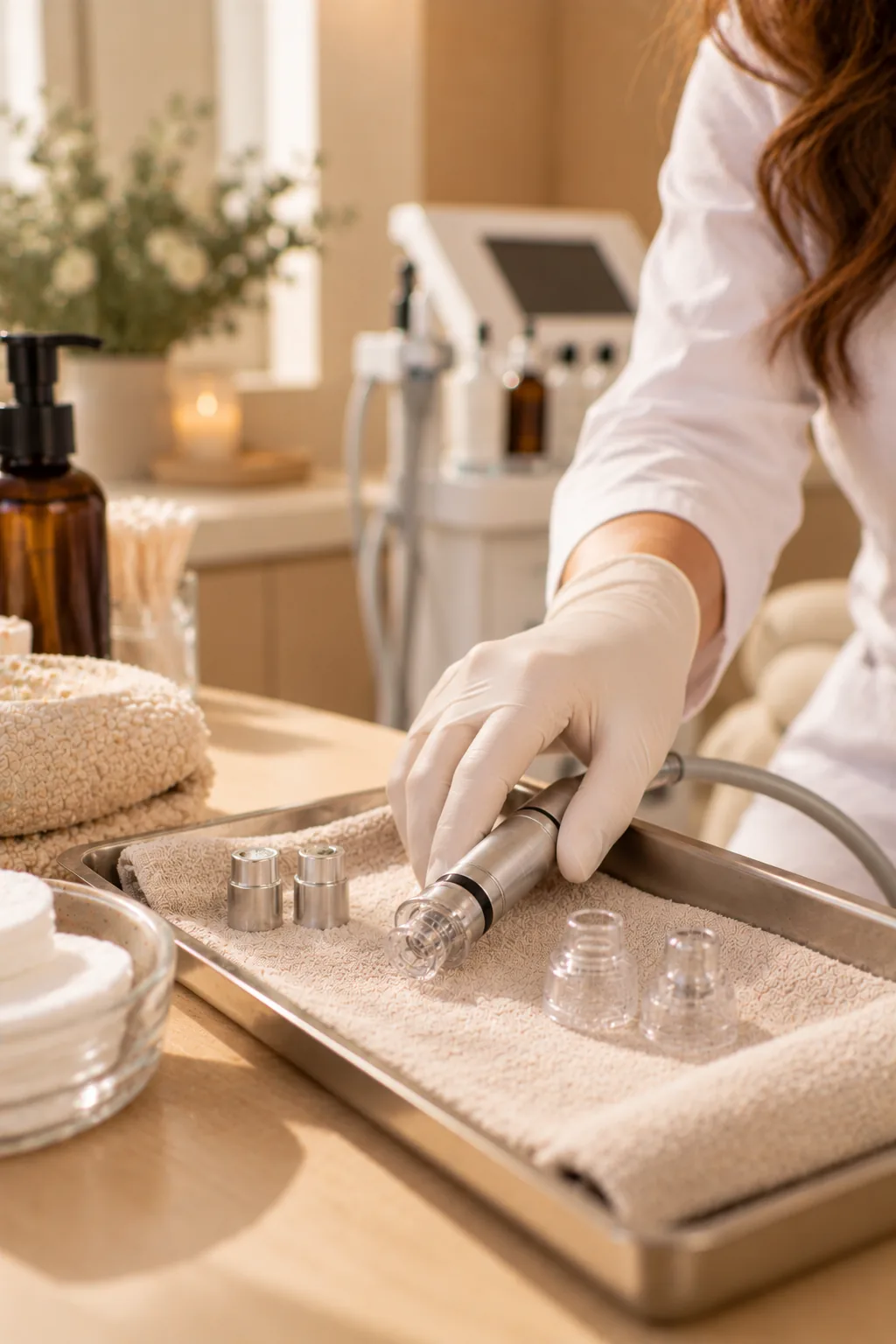
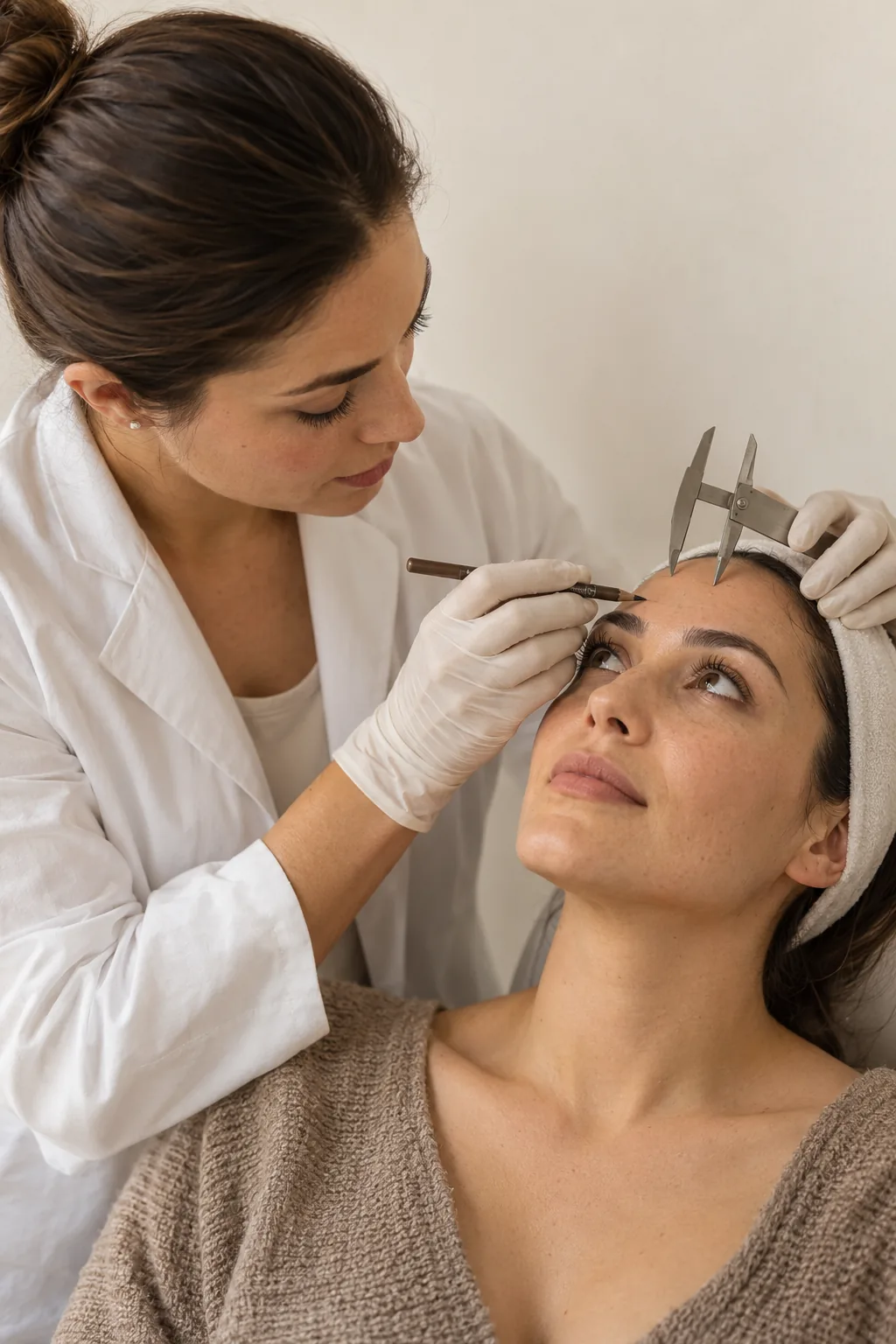
Powder brows is a machine shading technique that builds a soft, filled brow instead of drawing individual hairs, and it holds better on oily skin than microblading. ANNAZUR Academy in Jacksonville, Florida teaches it alongside the other permanent makeup zones.
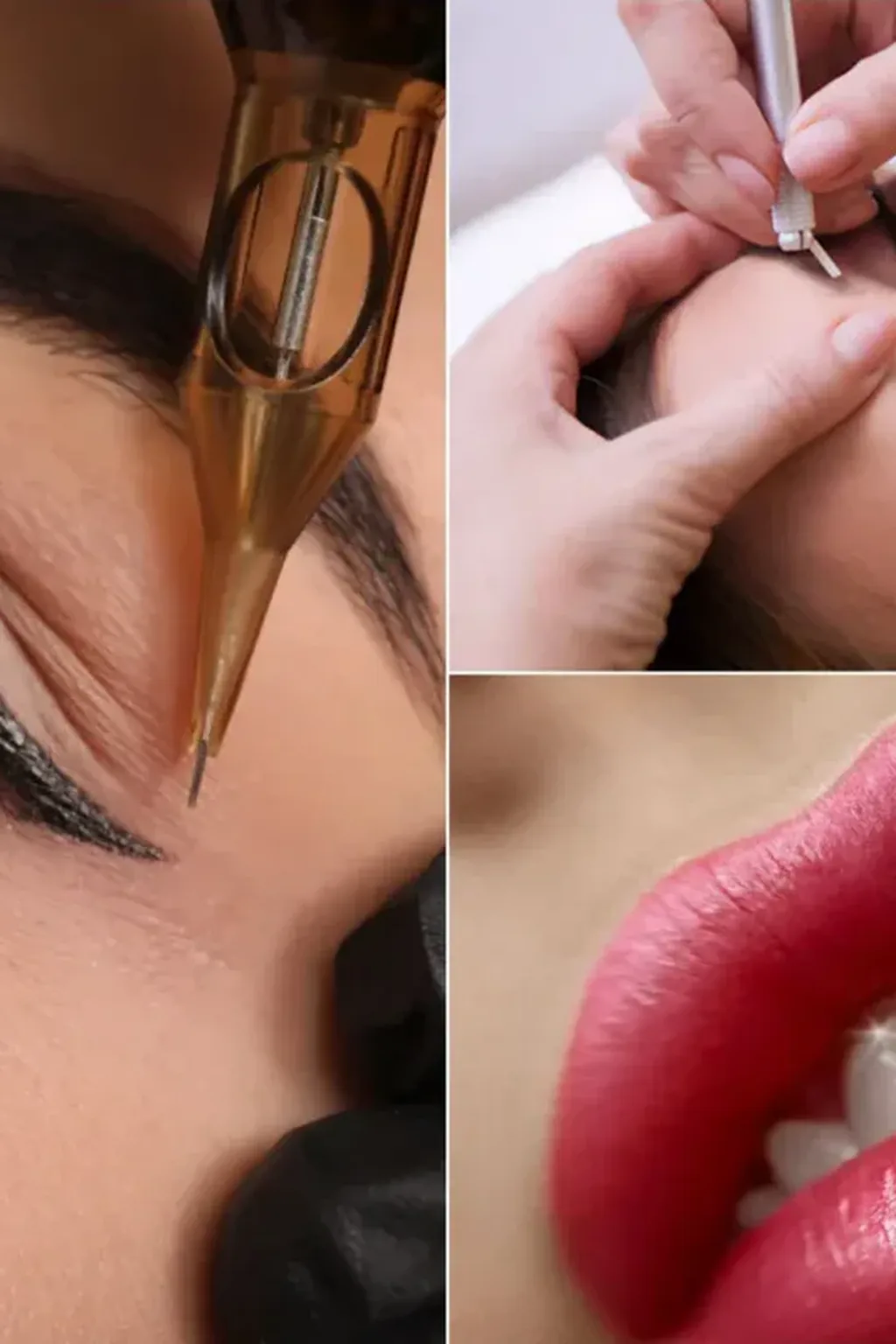
Every new PMU artist asks the same question in the first five minutes of a consultation: brows, lips or eyeliner? The right answer depends less on what you find beautiful than on who is asking you for appointments.
Brows: the biggest market, the most competition
Brows are what most people mean when they say permanent makeup, and the demand is the broadest. That cuts both ways: more clients searching, and more artists already serving them.
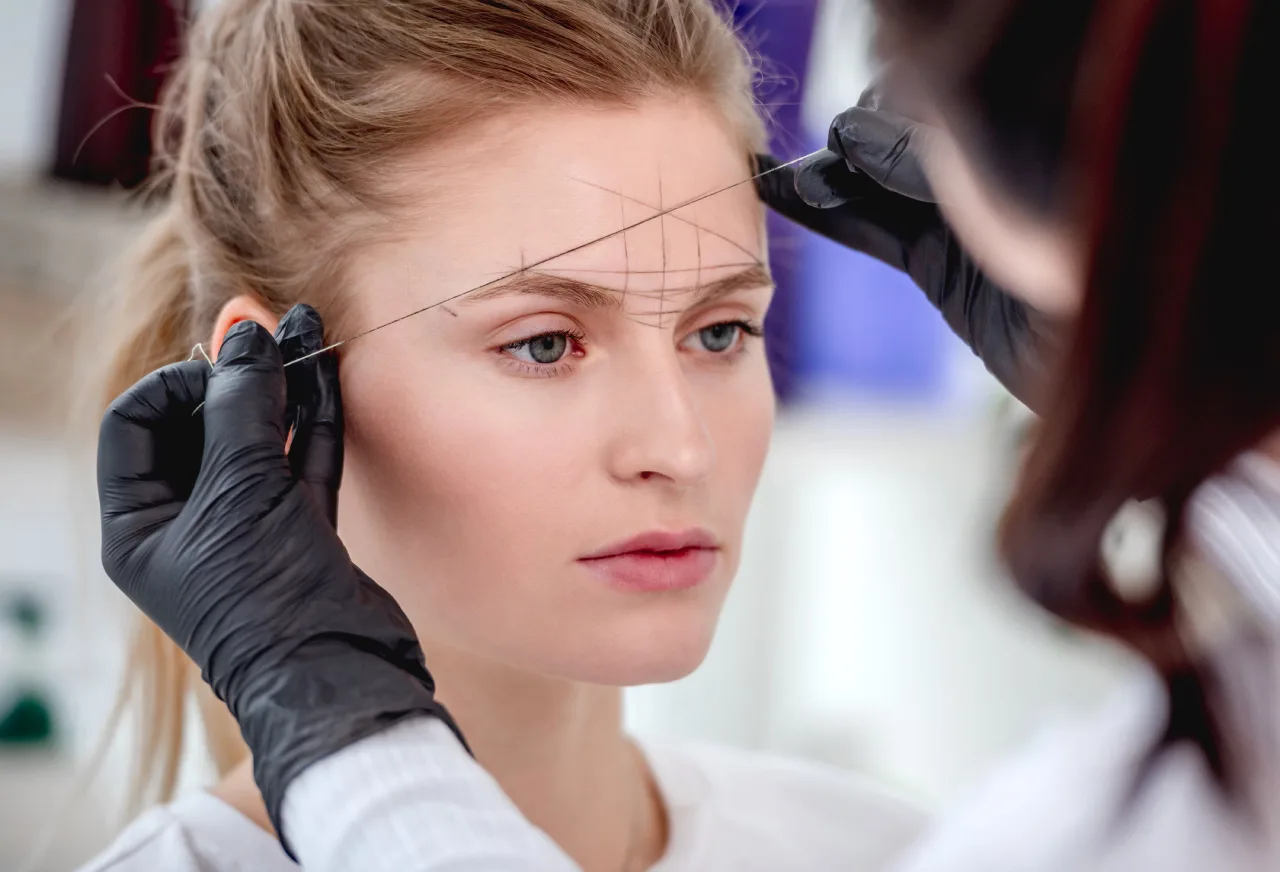
Within brows there is more than one method, from hair strokes to machine shading, so the choice is not finished once you choose the zone.
Lips: fewer artists, harder color
Lips demand the most color theory. Undertones decide the result, healing is more dramatic than on brows, and correction work — neutralizing cool or dark lips — is a specialism in itself.
Fewer artists offer it well, which is precisely why it earns. If you are comfortable with color and with managing client expectations, lips are the under-served zone.
Eyeliner: smallest margin, least competition
Millimetres of working area, the thinnest skin on the body and a client who is awake. Many competent artists never offer it, which is the commercial argument: the clients exist and the supply does not.
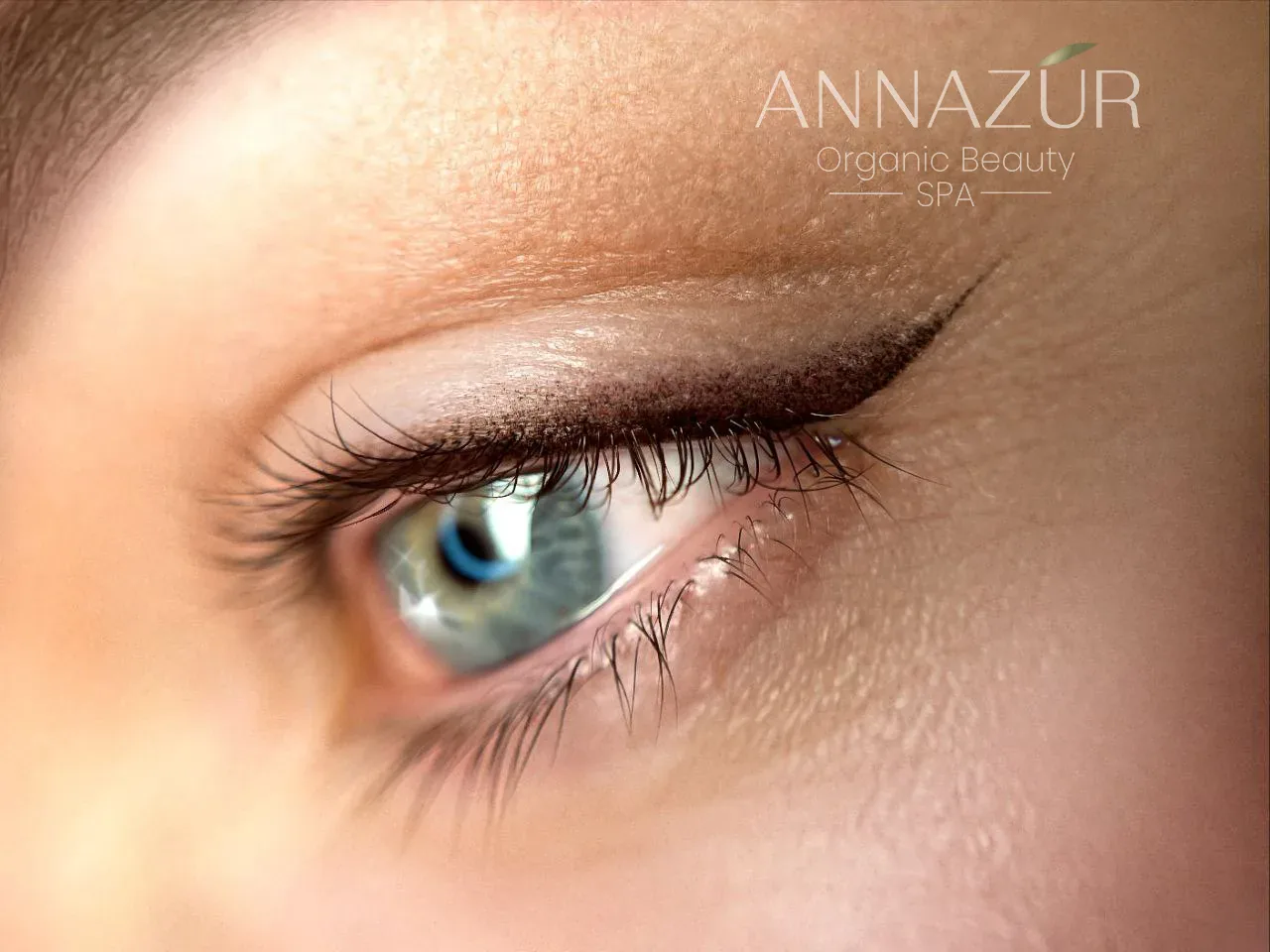
It is learnable from a beginner start, but it is unforgiving of shaky fundamentals, so it is rarely the right first zone for someone with no machine experience at all.
Choose by your market, not your taste
Look at what people in your area actually ask for and at what the artists near you already do well. Pick the zone where demand you can see meets supply that is thin.
If you have no client base yet, brows are the safe default because recognition is highest, and you can add a second zone once you know who is coming through the door.
Not sure which zone your market wants? Twenty minutes with an instructor settles it, free.
Adding a zone later
Each additional technique adds one in-person day of eight hours for the new specialization, a month of Telegram support, live model practice and a separate certificate.
Most working artists end up with two or three zones rather than one, built up as their clients ask. Technique options and enrollment are on the course page.
Also in this series:
The short version.
- Shared base: anatomy, healing, pigment and hygiene carry across all zones.
- Brows: broadest demand, most competition.
- Lips: hardest color, fewest artists doing it well.
- Eyeliner: smallest margin for error, thinnest supply.
- Add later: a day, a model, a month of support and its own certificate.
See the permanent makeup training program, or book a free consultation with an instructor at the spa. The free consultation for permanent makeup courses is held at our Hodges location, 13400 Sutton Park Dr S, Jacksonville.
See the PMU training programChoosing a zone. Questions answered plainly.
How many techniques come with the basic package?
One core technique, with additional zones available as additions.
Which zone should a beginner choose?
Usually brows, because recognition and demand are highest. Then add a second once you know your clients.
Is a second technique harder to learn?
It is usually faster, because the underlying principles are shared.
What does adding a technique involve?
An extra in-person day of eight hours, a month of support, live model practice and a separate certificate.
Do I need machine experience?
No. The program assumes no prior tattoo machine experience.
Can I mix zones, like brows and lips?
Yes. Most working artists end up offering two or three.