What Is Microblading and How Long Does It Last?
Microblading is semi-permanent cosmetic tattooing: instead of a machine, the artist uses a blade-shaped tool to draw hair-like strokes and set pigment into the skin, so the result reads as brow hairs rather than a drawn-on line. The appointment runs two and a half to three hours in total — the strokes themselves take up to about two hours, plus a 40-minute patch test and time to shape your own hairs first. Colour holds six to twelve months, sometimes up to a year and a half. Oily skin, sun, salt water and some brow products all shorten it.
With so many different products and services on the market it is hard to choose one that will give us truly lush and thick brows. But one treatment is taking the cosmetology world by storm: microblading. Would you like to learn more about what microblading is all about? Would you like to learn more about how you can become a certified microblade expert? You’ve come to the right place.
What is microblading?
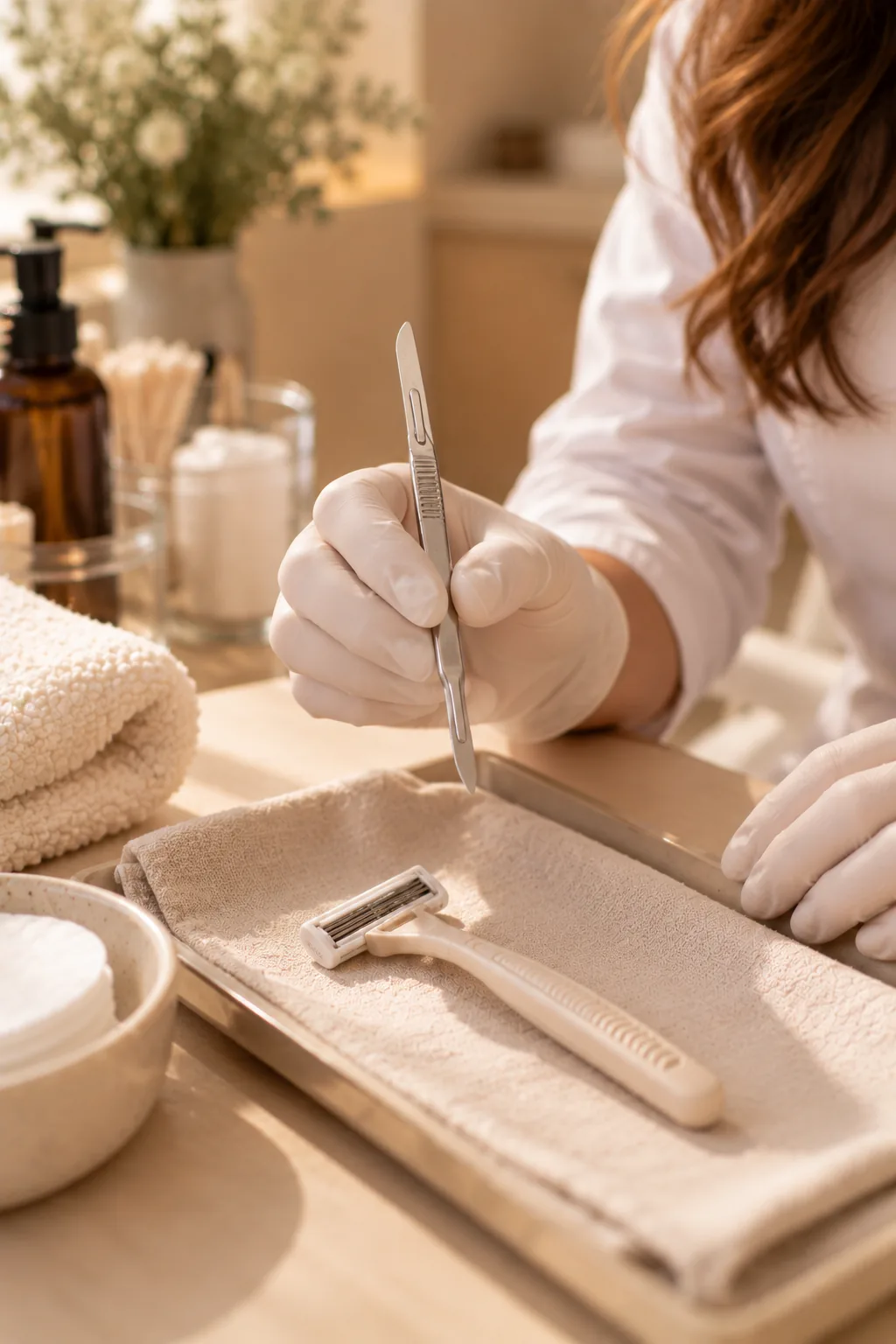
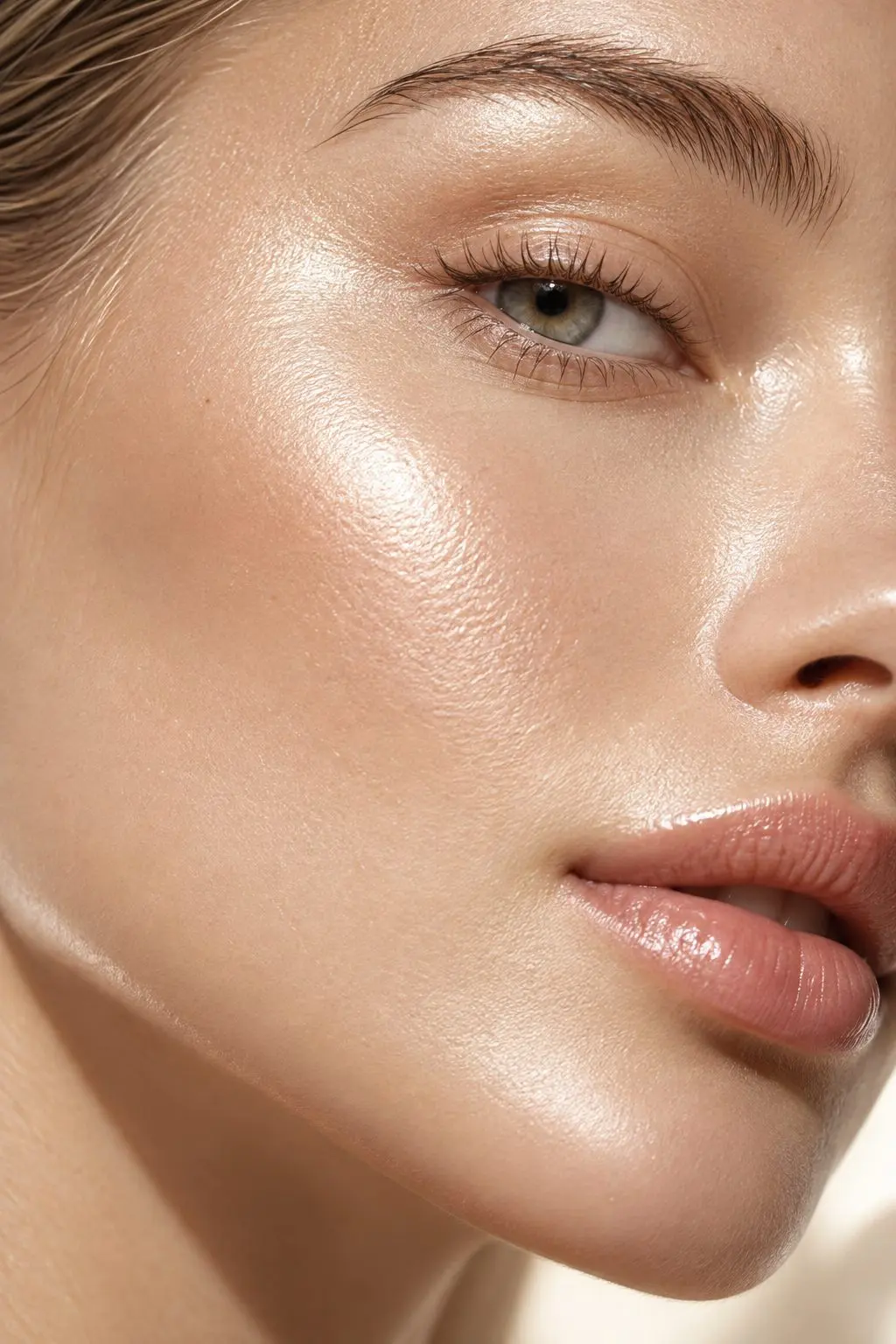
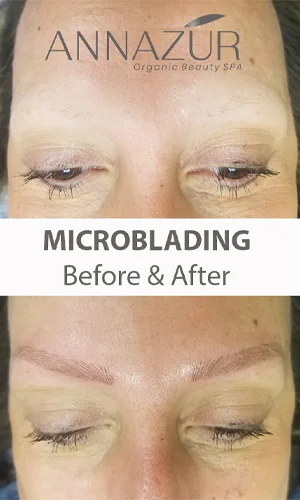
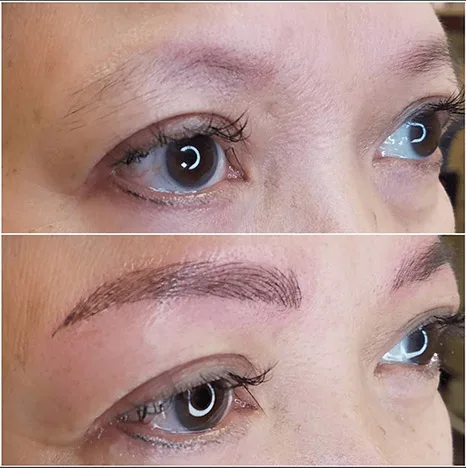
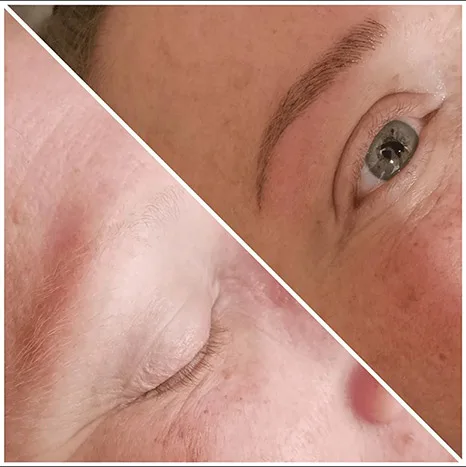
Microblading is a semi-permanent form of cosmetic tattooing. But unlike traditional tattoos, which use a tattoo gun, microblading uses a blade-shaped tool to create hair-like strokes along your brows while depositing pigment into your skin. The result? Realistic-looking brow hairs that don’t wash off for a year or more.
The microblading procedure usually begins with a consultation by one of our estheticians to investigate what would be the best technique for your needs. Each client’s preferences, skin types, brow thickness, pain sensitivity will play an important role in deciding what needs to be done. Also, an important part of the consultation is to determine if there are any risks that you may face before the procedure.
After the consultation and choosing the preferred shape of the eyebrows, the esthetician conducts allergy tests. A pigment tolerance test is done. If the allergy test is negative, and the client has no possible risks, the esthetician will initiate the microblading session. The procedure involves the following steps:
- Eyebrow shape correction with tweezers, threads, or wax. Eyebrows are given the desired shape from their own, pre-grown hairs.
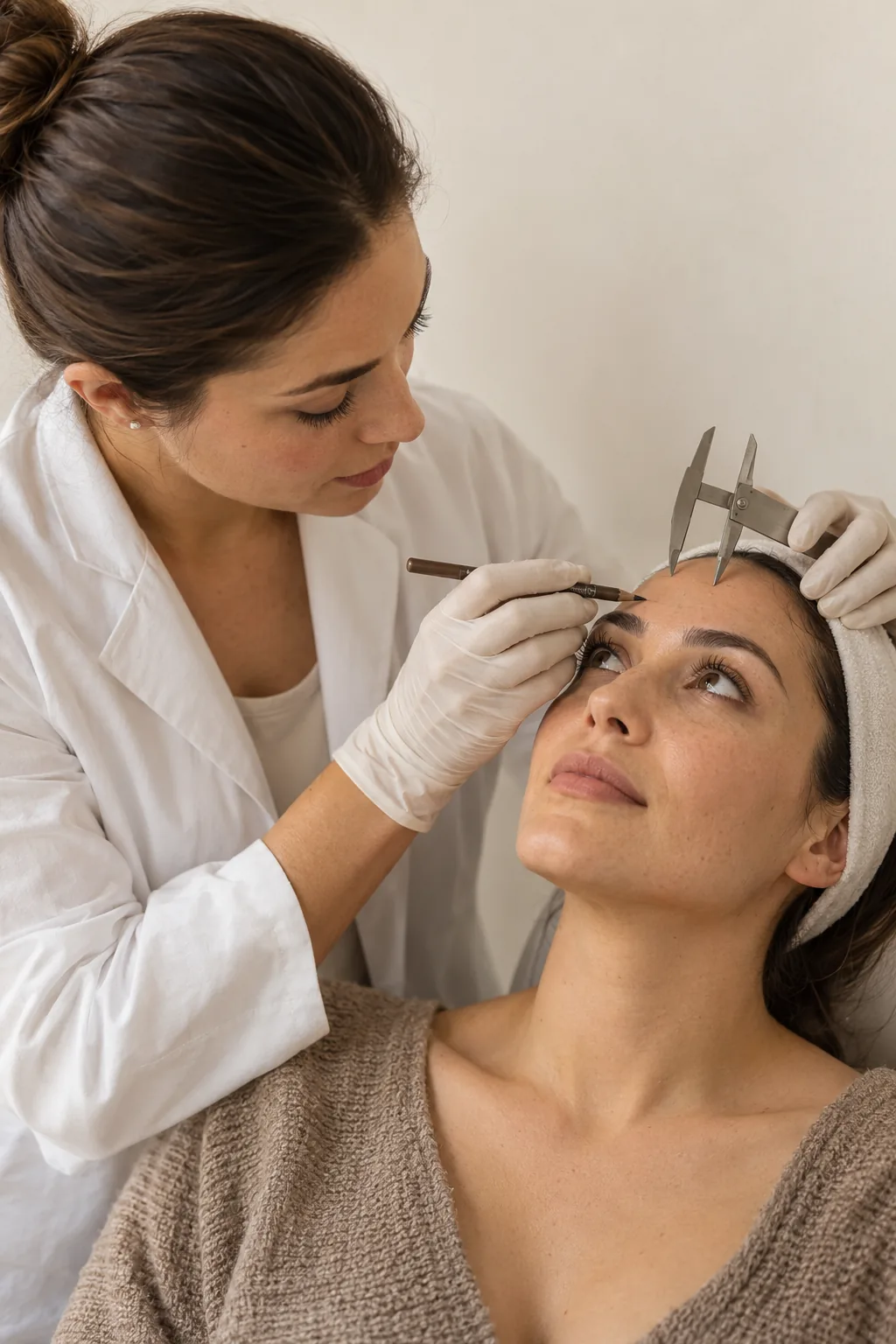
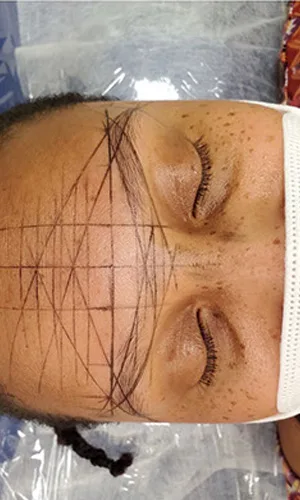
- Drawing eyebrow hairs with a special tool. When the desired form is found and measured the shape is drawn in with a pencil around the brow.
- Analgesics of the treated area.
- Eyebrow treatment with a special regenerating cream.
Shape and shade are decided at the consultation, before any pigment is opened.
Book microbladingHow painful is microblading?
Unlike tattooing, the client does not experience severe pain when having microblading done. There might be some unpleasant sensations that are quite mild and tolerable. The use of local anesthetics will help relieve pain almost completely.
Microblading duration
The time needed to draw hairs depends on the chosen technique and the skill of the esthetician. Really, having the procedure done quickly isn’t really that important. The more careful and accurate that the esthetician performs the drawing will result in a more natural looking eyebrows. Quality should always be above speed. Usually the maximum a session may last is around 120 to 130 minutes.
In addition to the duration of the procedure, an allergy test will take at least 40 minutes. Also, time may be needed by the esthetician to correct natural eyebrows first.
In total, the duration of the microblading procedure is anywhere around 2.5 to 3 hours.
How long does microblading last?
The pigment introduced into the epidermis usually lasts from 6 to 12 months. In some cases, slightly faded eyebrows can last for up to 1.5 years. The longevity of the microblading effect depends on several factors:
- Colors and qualities of the pigment itself. The pigment resilience is affected by iron oxide. A suggestion to help the color and pigment last would be to choose a shade that is around 2 tones darker than your desired color. In the first month the dye will slightly fade. The more intense the initial color applied, the longer it remains on the skin. However, the color should not contrast too much with hair and skin tones.
- Individual skin features. Women with oily skin need to redo the procedure more frequently since the increased production of sebum will affect the pigment which may fade quicker.
- Use of cosmetics and eyebrow care products. Many women additionally tint their eyebrows. However some cosmetics and eyebrow care products may cause a slight removal of dye from the skin, causing the pigment to fade quicker.
- Seasons. The stronger the sun the faster the pigment fades. However, you may notice that in winter or autumn months the pigment fades at a slower rate. Also, the pigment may fade quicker if you are in constant contact with salty sea water.
Interesting fact! The maximum recorded microblading result time with a gradual decrease in color is 2 years.
Before you book.
- What it is: semi-permanent cosmetic tattooing with a blade tool, stroke by stroke — not a machine tattoo and not a brow tint.
- How long it lasts: six to twelve months as a rule, up to about eighteen months for some. The record in our chair is two years.
- Time: two and a half to three hours all in, including the allergy test and shaping your natural brows.
- Pain: mild. Unlike a tattoo, numbing brings it down to pressure and a scratching sensation rather than real pain.
- What fades it faster: oily skin, strong sun, salty sea water, and brow cosmetics that lift pigment as you remove them.
Book a microblading consultation and we will map the shape to your face.
Book microbladingMicroblading. Questions answered plainly.
How long does microblading last?
Six to twelve months for most people, and up to around a year and a half when the pigment, the skin and the aftercare all cooperate.
Is microblading painful?
Far less than a tattoo. Expect mild, tolerable sensations — a local numbing agent takes care of most of it.
How long is the appointment?
Two and a half to three hours in total: the strokes take up to about two hours, the patch test 40 minutes, plus shaping your own brow hairs beforehand.
Do I need a patch test?
Yes. The artist tests pigment tolerance before starting, and if the test is positive the procedure does not go ahead.
Why does it fade faster on some people?
Oily skin pushes pigment out sooner, sun and salt water break it down, and some brow products lift colour every time you take them off.
Will it look like a drawn-on brow?
Not when it is done well — the strokes follow your own hair direction. Accuracy matters more than speed, which is why a careful session takes as long as it does.