Classic or hybrid: what the second style actually adds
Classic lash extensions attach one extension to one natural lash for a natural finish. Hybrid blends classic lashes with volume fans for a fuller, more textured look. ANNAZUR Academy teaches classic in the standard package and both classic and hybrid in the advanced package.
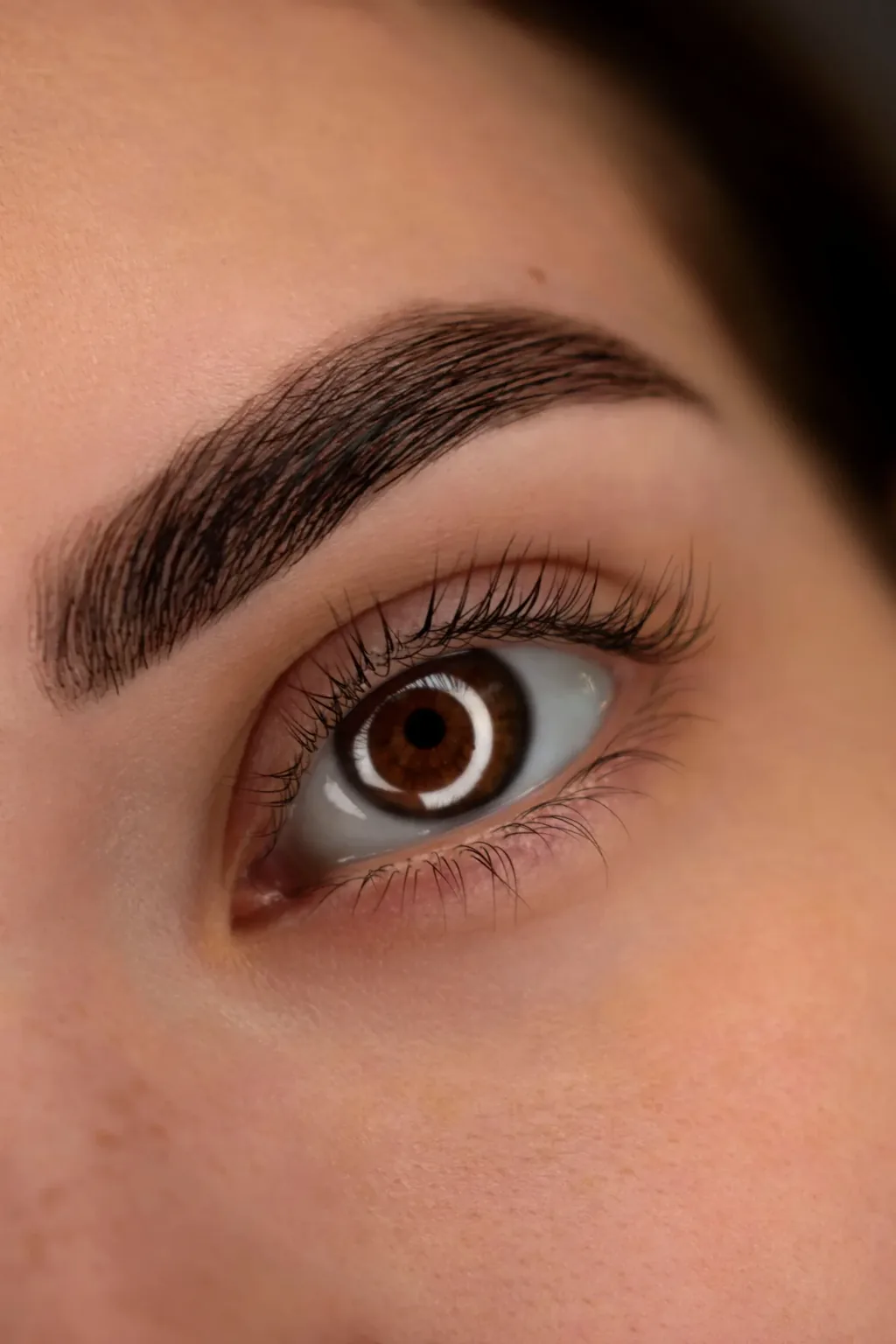
A client sits down, shows you a photograph of lashes you cannot create, and you watch the booking go to someone else. That is the moment people decide to learn hybrid.
Classic is the foundation, not the basic option
One extension to one isolated natural lash. The look is natural and the margin for error is unforgiving — every lash is visible, so inconsistent length, direction or placement shows immediately.
It is called the beginner technique because it is taught first, not because it is easy. Artists who never master it produce hybrid sets that look messy rather than textured.
Hybrid is a blend, not a volume set
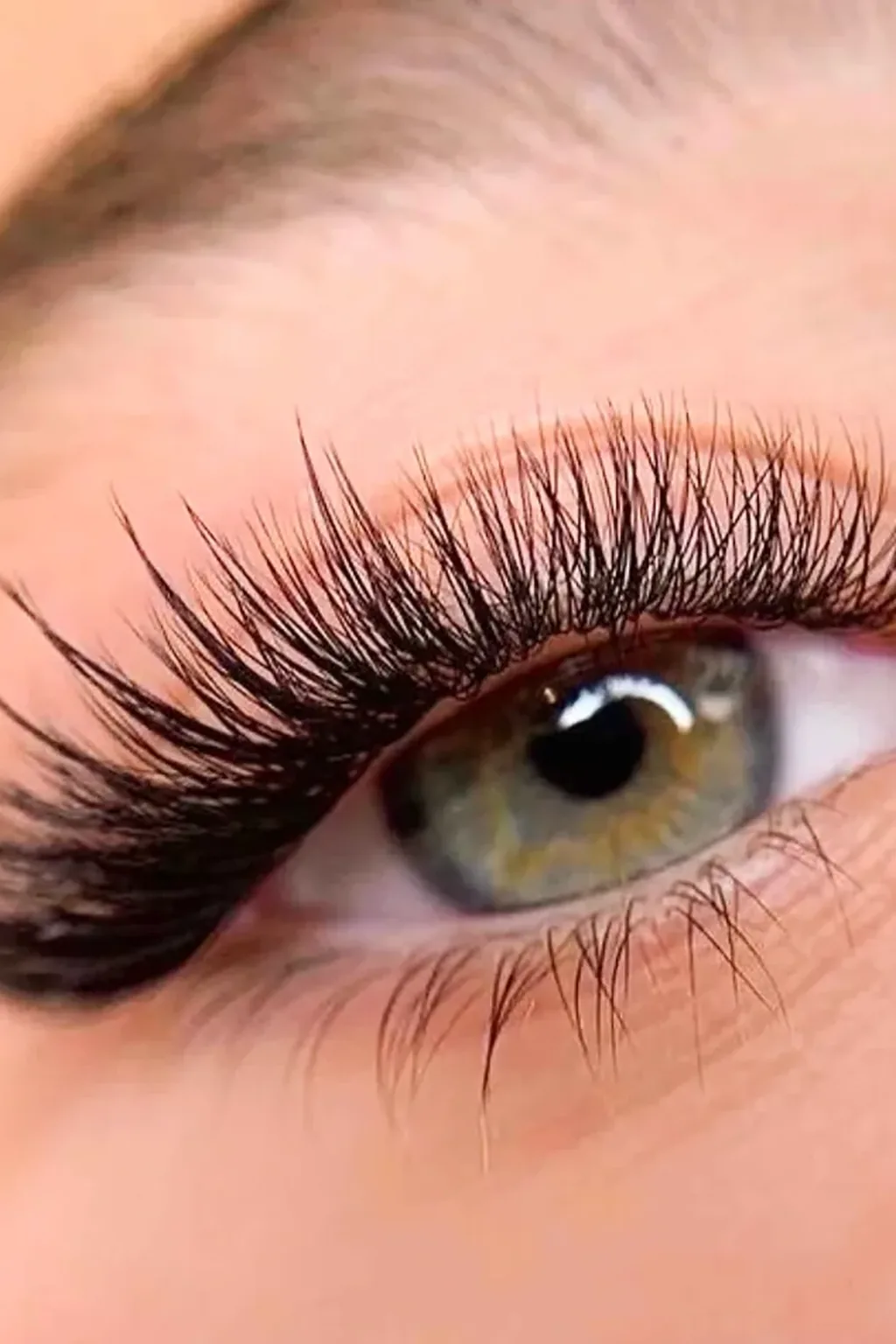
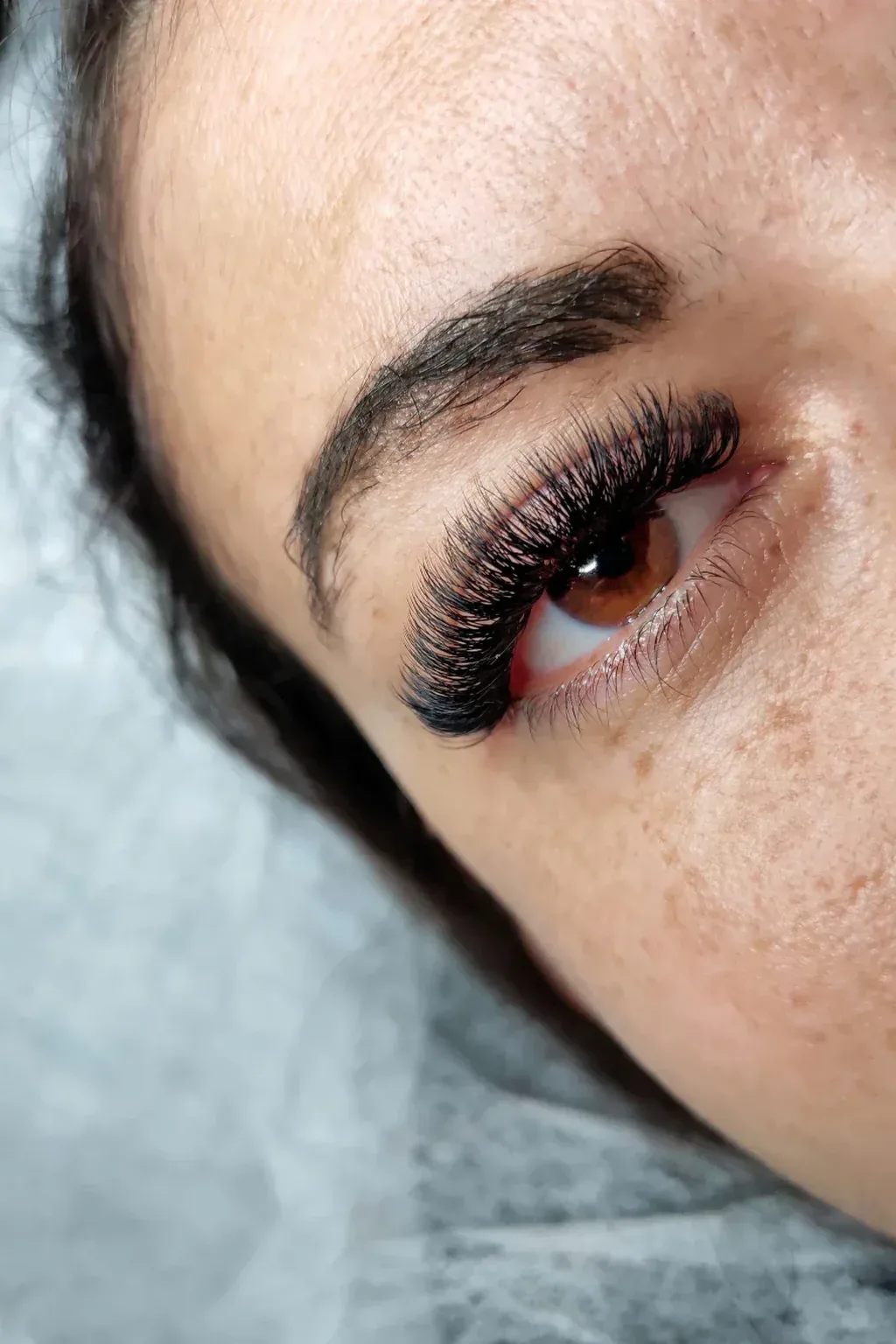
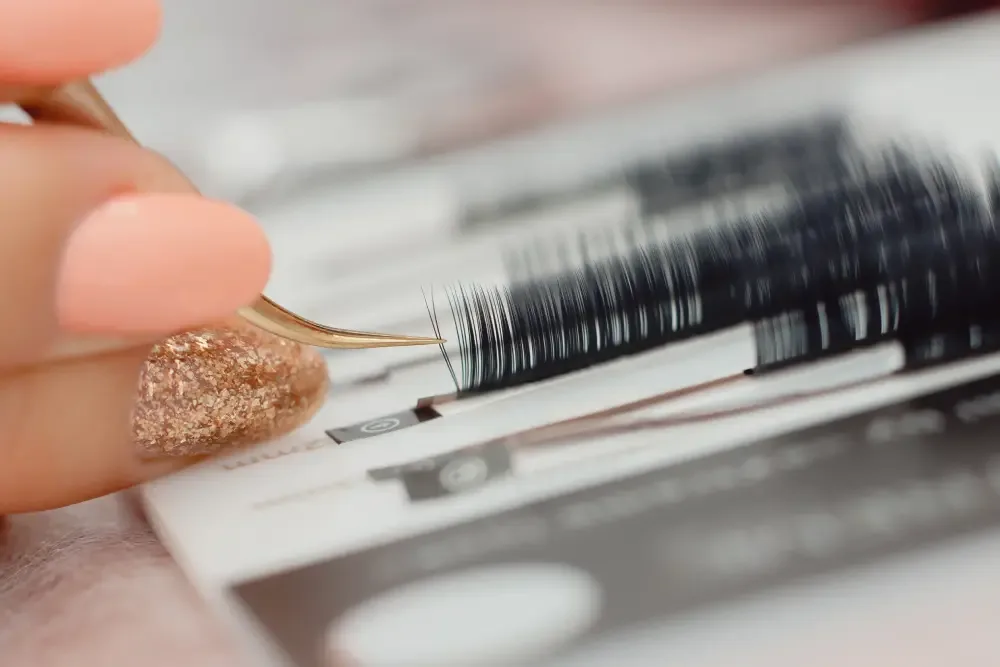
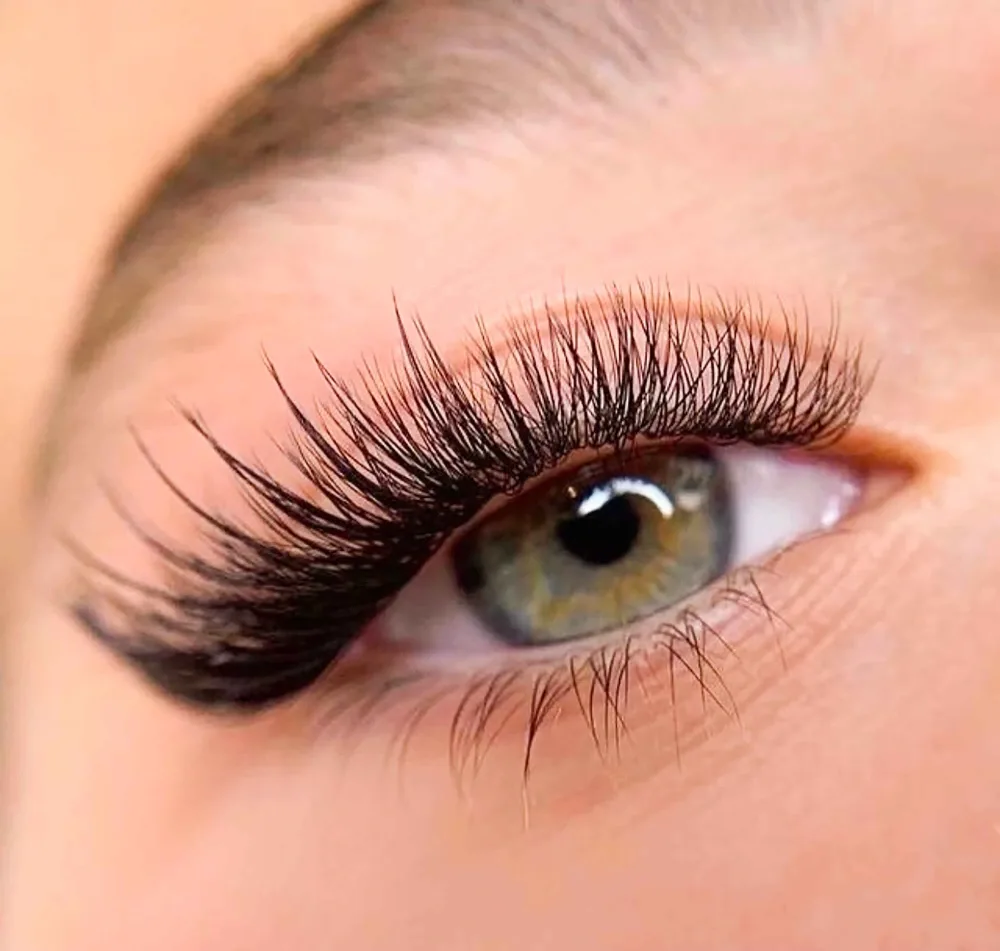
Hybrid mixes classic lashes with handmade volume fans across the same set. The result is fuller and more textured than classic without going to the density of a full volume set.
It suits clients with gaps in their lash line, clients with finer natural lashes, and the large group who want “fuller but still like me” — which is most of them.
Turning away clients who want fuller sets? That is the moment to add hybrid.
What actually changes for your hands
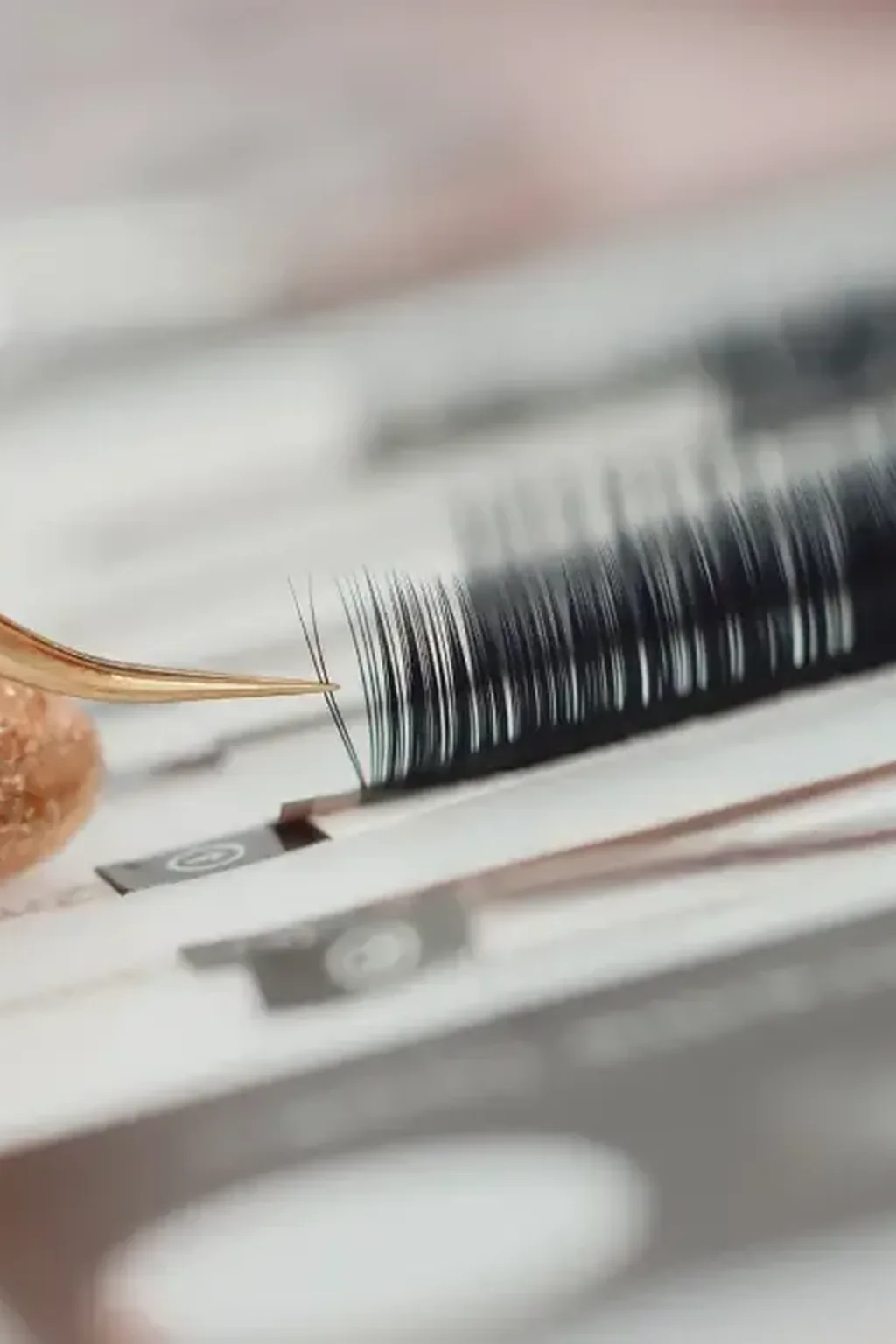
Fan-making. You are now creating and placing a shaped group of lashes, which means a second set of tweezers, a different grip and a new feel for adhesive. Placement judgment changes too: where fans go and where single lashes go is a design decision taken lash by lash.
Isolation does not change, and that is the point. If isolation is shaky, hybrid magnifies it.
Timing and pricing follow the technique
Hybrid sets take longer than classic, especially at first, and a beginner who prices a hybrid like a classic set will work a longer appointment for the same money. Time your early sets honestly and build your prices from what the work actually takes.
Speed comes with repetition and not before it. Planning around the speed you hope to reach is how new artists end up running an hour late all day.
Which to learn, and when
If you are starting out, learn classic properly and work with it until a full set no longer frightens you. If you already work with classic and keep hearing requests for something fuller, hybrid is the addition that earns.
The advanced package covers both across two days, with practice on real models and mannequins. Details are on the course page.
Also in this series:
The short version.
- Classic: one to one, natural, and every mistake is visible.
- Hybrid: classic plus volume fans; fuller without full density.
- New skill: fan-making and placement judgment; isolation stays the base.
- Slower: hybrid takes longer, so price from real timings.
- Order: classic until it is routine, then hybrid.
See both lash extension packages, or book a free consultation with an instructor at the spa.
See the lash extension coursesClassic and hybrid. Questions answered plainly.
What is the difference between classic and hybrid?
Classic places one extension on one natural lash. Hybrid blends classic lashes with volume fans for a fuller, textured look.
Is hybrid harder?
It adds fan-making and placement judgment on top of the same isolation skill, so yes, but it builds on classic rather than replacing it.
Who suits hybrid?
Clients with gaps in the lash line, finer natural lashes, or anyone wanting fuller without full volume.
Can I learn both at once?
The advanced package covers both across two days, and it assumes you already understand the basics.
Does hybrid take longer to apply?
Yes, particularly at first. Price from your real timings rather than your hoped-for ones.
Which should I learn first?
Classic, until a full set is routine.