Speed: why your first sets take three hours
Early full sets run long because isolation is still deliberate rather than automatic. Speed comes from repetition, setup and routine, not from rushing. Price from your real timings while you are slow, and re-time yourself every few weeks rather than guessing.
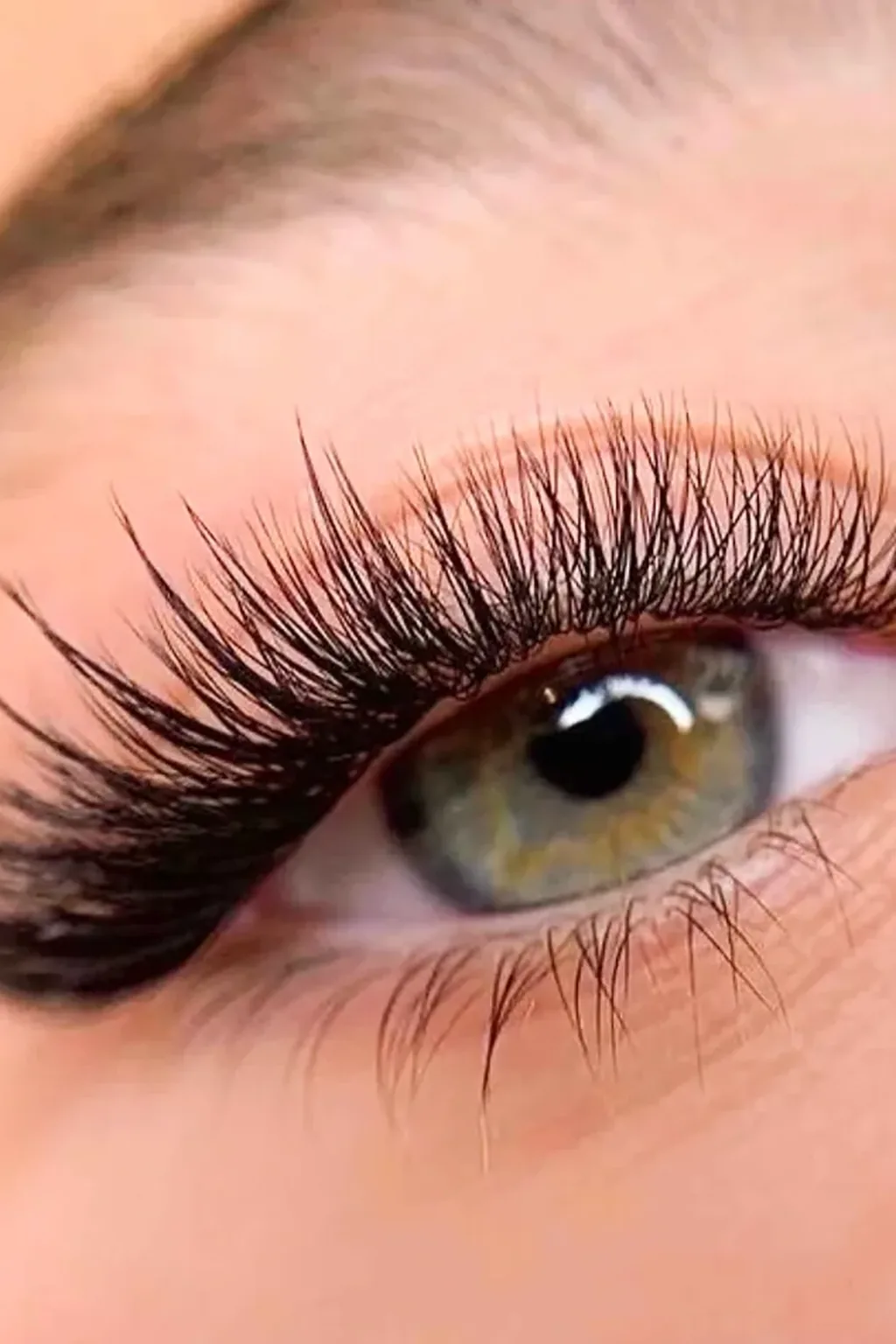
Nobody warns new lash artists about the arithmetic. You charge for a full set, it takes you twice as long as the artist who trained you, and your hourly rate quietly collapses.
Slow is correct at the start
Early sets take longer because you are thinking about every step. That is what learning looks like, and trying to shortcut it produces poor isolation, which produces poor retention, which produces clients who do not return.
The fastest route to being fast is being accurate first. Everyone who tries it the other way spends longer getting there.
Setup costs more time than you think
Everything within reach before the client lies down. Lashes laid out, adhesive fresh, tweezers where your hand expects them, lighting and chair set so you are not leaning. Fumbling for a tray mid-set costs minutes every time and breaks your rhythm.
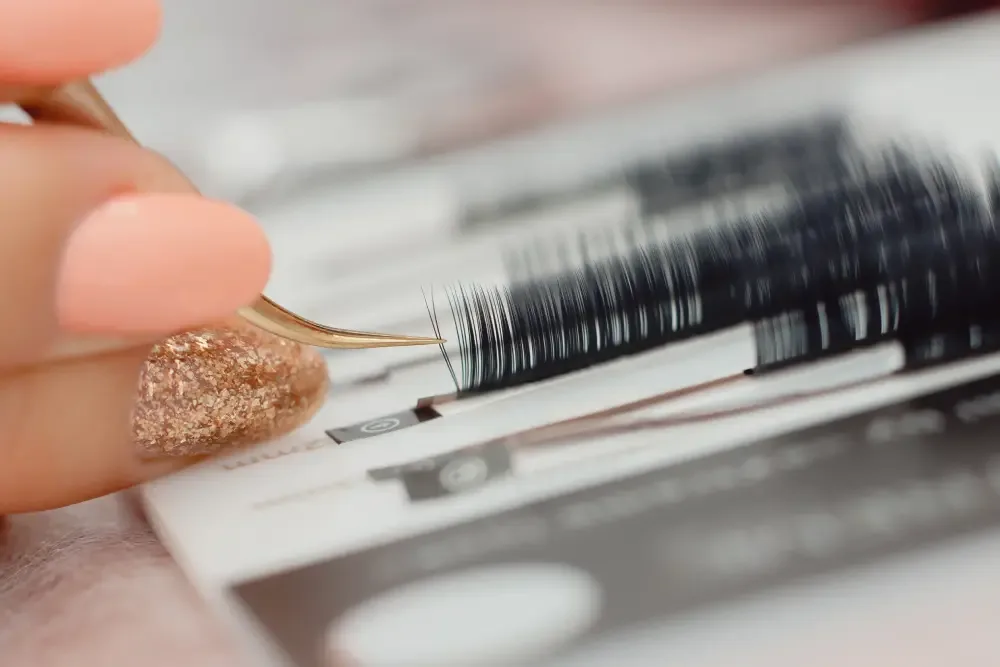
Watching an experienced artist work, their hands barely travel. That is not talent, it is layout.
Where the minutes actually go
Isolation, almost entirely. Hunting for a clean lash, losing it, finding it again. As isolation becomes automatic the hunting stops and the set collapses in length without you working any faster.
Adhesive handling is second: dipping too often, letting it cure on the tip, re-dipping because the bond failed. Both are habits, and both are fixable by someone watching you work.
Sets running long and the diary slipping? That is a habits problem, and it is fixable.
Time yourself honestly
Write down what each set actually takes, not what you hope it takes. Then build your appointment slots and your prices around the real number, and revise it every few weeks as it falls.
An artist who books a two-hour slot for a three-hour set runs late all day, and running late costs more clients than being slow ever did.
Tell the client before, not during
If your set takes three hours, say three hours when they book. Clients accept a long appointment they planned for and resent a long appointment they did not. The ones who cannot spare the time will tell you at booking, which is where you want to find out.
Speed is built in training, not after it
Supervised practice is where the habits that cost minutes get caught. The standard package is a full eight hours and the advanced sixteen, with mannequin and model work, precisely so the repetition happens under someone who can see what you cannot.
Package details are on the course page.
Also in this series:
The short version.
- Accurate first: poor isolation costs retention, which costs clients.
- Setup: everything within reach; experienced hands barely travel.
- Isolation: where almost all the lost minutes go.
- Real numbers: time your sets and price from what they take.
- Say it at booking: a long appointment planned for is fine; a surprise is not.
See both lash extension packages, or book a free consultation with an instructor at the spa.
See the lash extension coursesSpeed and timing. Questions answered plainly.
How long should a full set take?
Longer than you want at first. Time your own sets and build slots and prices from the real number.
How do I get faster?
Repetition plus setup. Isolation becoming automatic is what shortens a set.
Should I rush to keep up?
No. Rushing degrades isolation, which degrades retention.
What slows beginners most?
Hunting for a clean lash to isolate, and inefficient adhesive handling.
Should I tell clients I am new?
Tell them how long the appointment will take. That is the part that affects them.
Does training help with speed?
Yes — supervised repetition is where the habits that cost minutes get corrected.