Blades and angle: the part people learn wrong
Choosing the right blades and tools for different skin types is taught as its own subject on the dermaplaning course at ANNAZUR Academy, alongside safe and precise handling. All tools are provided during training and kept afterwards, so you practice on the equipment you will use.
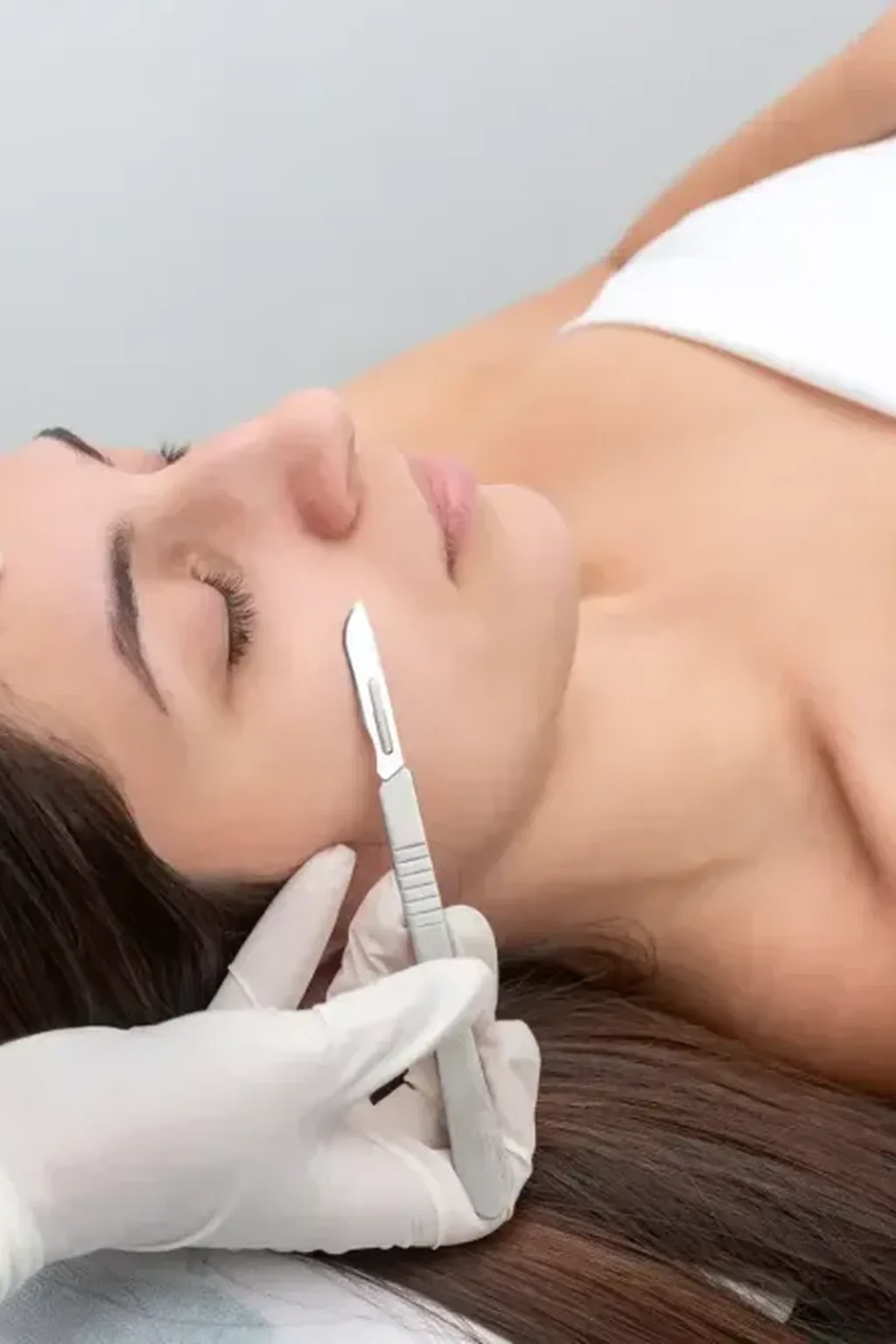
Watch enough online dermaplaning and you will see the same two mistakes: the wrong blade for that skin, and an angle steep enough to make you wince. Both are invisible to the person making them.
There is no universal blade
Different blades behave differently, and the right one depends on the skin in front of you: its thickness, its condition, how much vellus hair there is and where you are working on the face. Treating blade choice as a brand preference rather than a skin decision is the commonest reason a result is uneven.
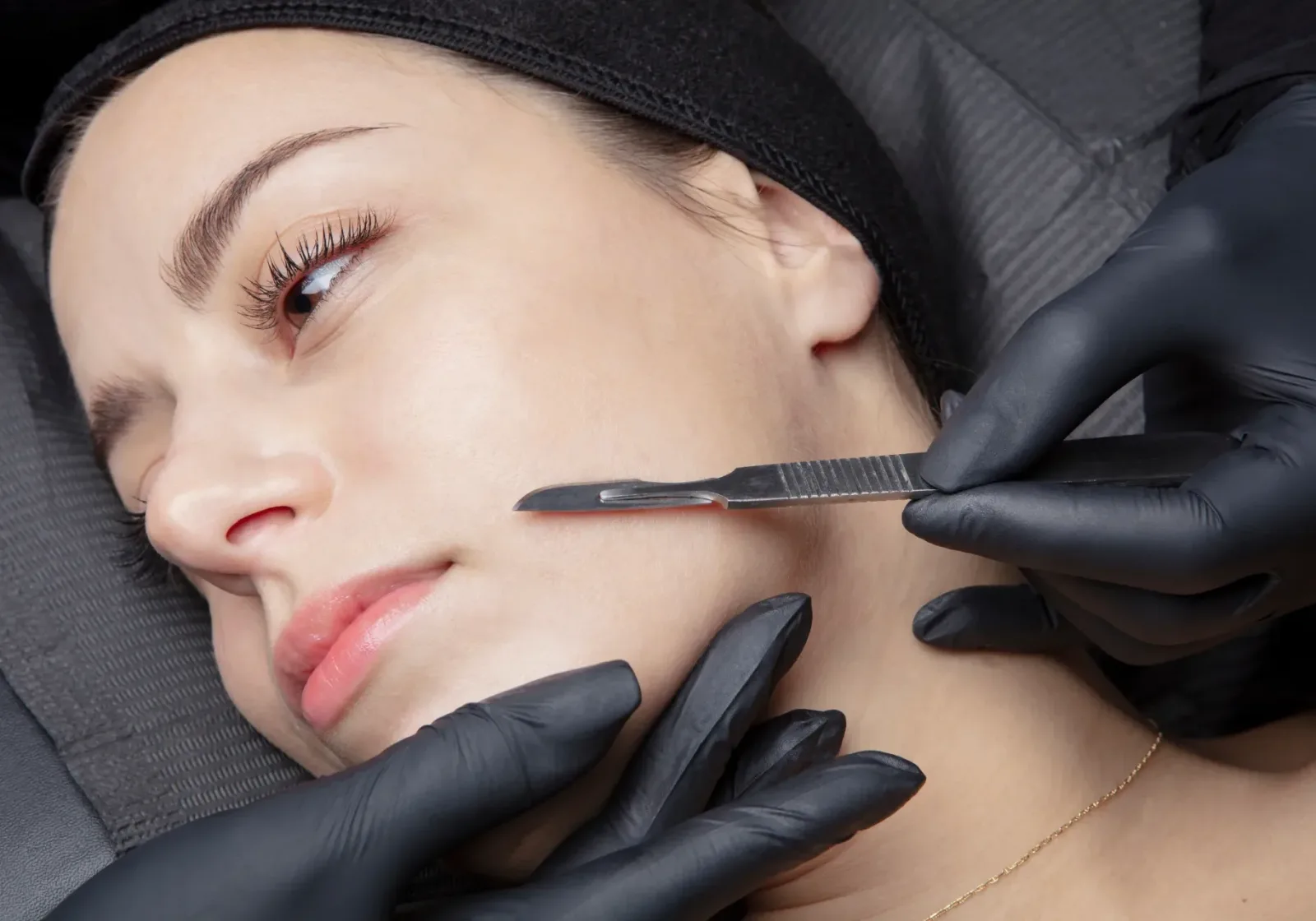
Which is why the course teaches selection as a subject rather than handing out one tool and calling it technique.
Angle is the whole technique
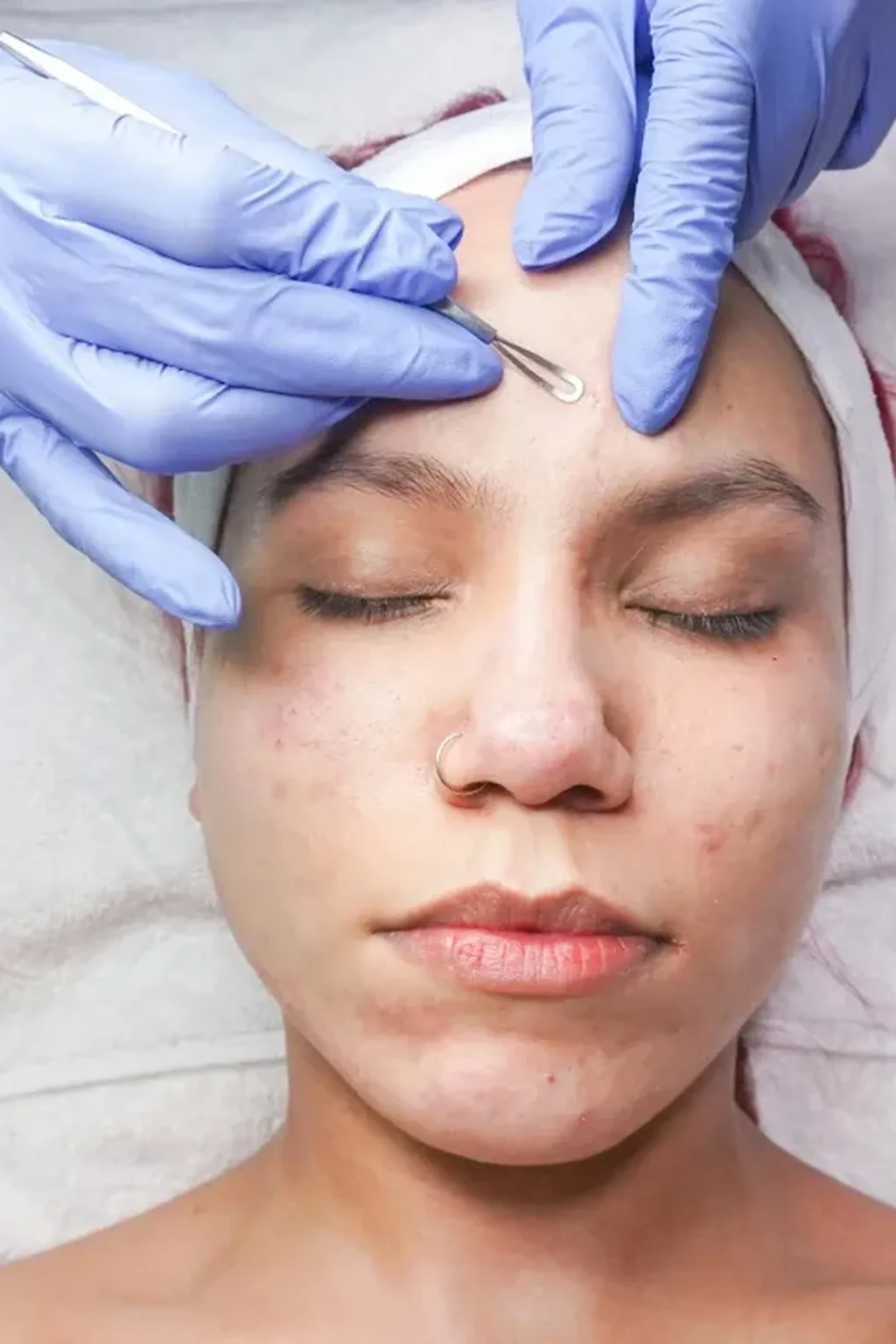
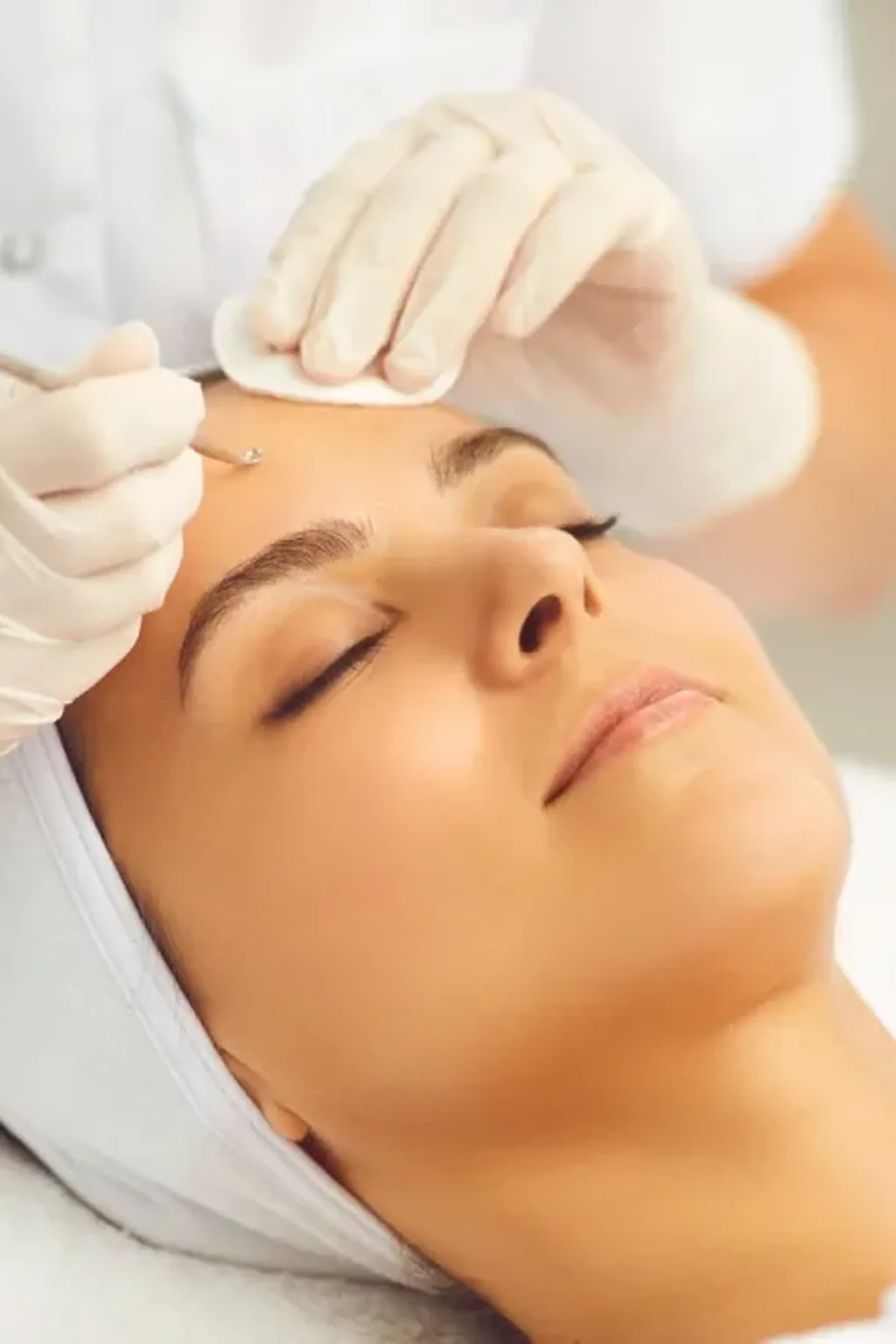
Dermaplaning is performed at a shallow angle with the skin held taut. Too steep and you are no longer exfoliating, you are risking a nick. Too flat and nothing happens, so the beginner compensates with pressure, which is worse.
Nobody corrects their own angle from a video, because it looks fine from where they are standing. Someone has to be beside you saying “flatter”.
Results coming out uneven? Usually angle, not the blade. A free consultation sorts it.
Tension in the skin does half the work
The hand that is not holding the blade is doing as much as the one that is. Skin held taut gives a clean, even pass; slack skin catches and drags.
This is also the part that tires first. By the third client of a day the non-dominant hand gets lazy and the results start to show it.
Handling is a safety subject
Safe and precise handling of the tools is taught explicitly, and it covers the dull parts: how the blade is held, how it is passed, how it is disposed of, how the workspace is set up so nothing is picked up by accident.
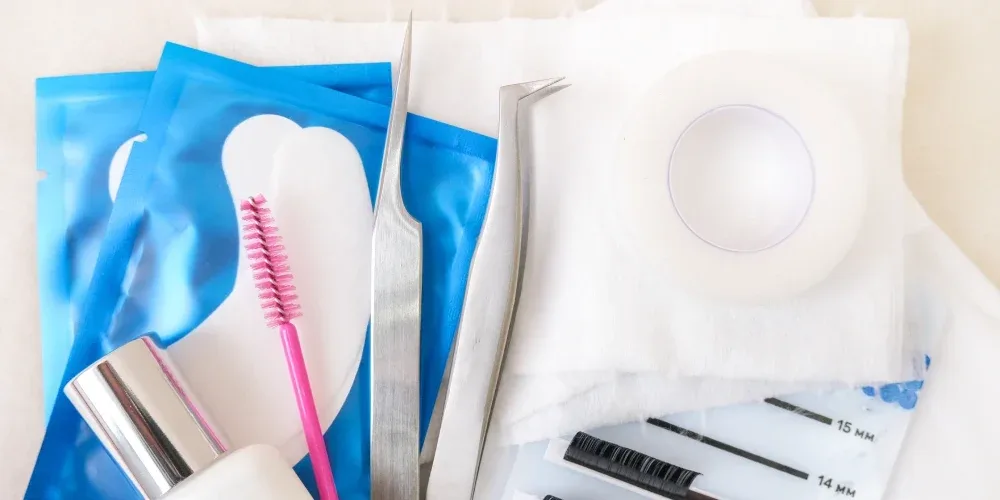
Single-use discipline is not negotiable. The blade touches skin and then it is waste.
You practice on the kit you keep
All tools and materials are provided during the training at no extra cost, and they come home with you. So the angle your hand learns is the angle for the tool you will actually be holding with your first client.
Tool selection, technique and enrollment details are on the course page.
Also in this series:
The short version.
- No universal blade: skin thickness, condition and hair decide the tool.
- Shallow angle: too steep risks a nick, too flat invites pressure.
- Your other hand: taut skin gives a clean pass; slack skin drags.
- Single use: the blade touches skin, then it is waste.
- Same kit: train on the tools you keep and will use.
See the dermaplaning course, or book a free consultation with an instructor at the spa.
See the dermaplaning courseBlades and technique. Questions answered plainly.
Does blade choice really change with skin type?
Yes, and treating it as a brand preference rather than a skin decision is a common cause of uneven results.
What angle should the blade be held at?
Shallow, with the skin held taut. Correcting your own angle without supervision is close to impossible.
Why does my result come out patchy?
Usually slack skin or inconsistent angle rather than the blade itself.
Are blades reusable?
No. Single-use discipline is part of the safety teaching.
Are tools included in the course?
Yes, provided at no extra cost during training and kept afterwards.
Can I learn this from video?
You can learn what it looks like. You cannot see your own angle, which is the part that matters.