Dermaplaning certification: what it costs and what it is worth
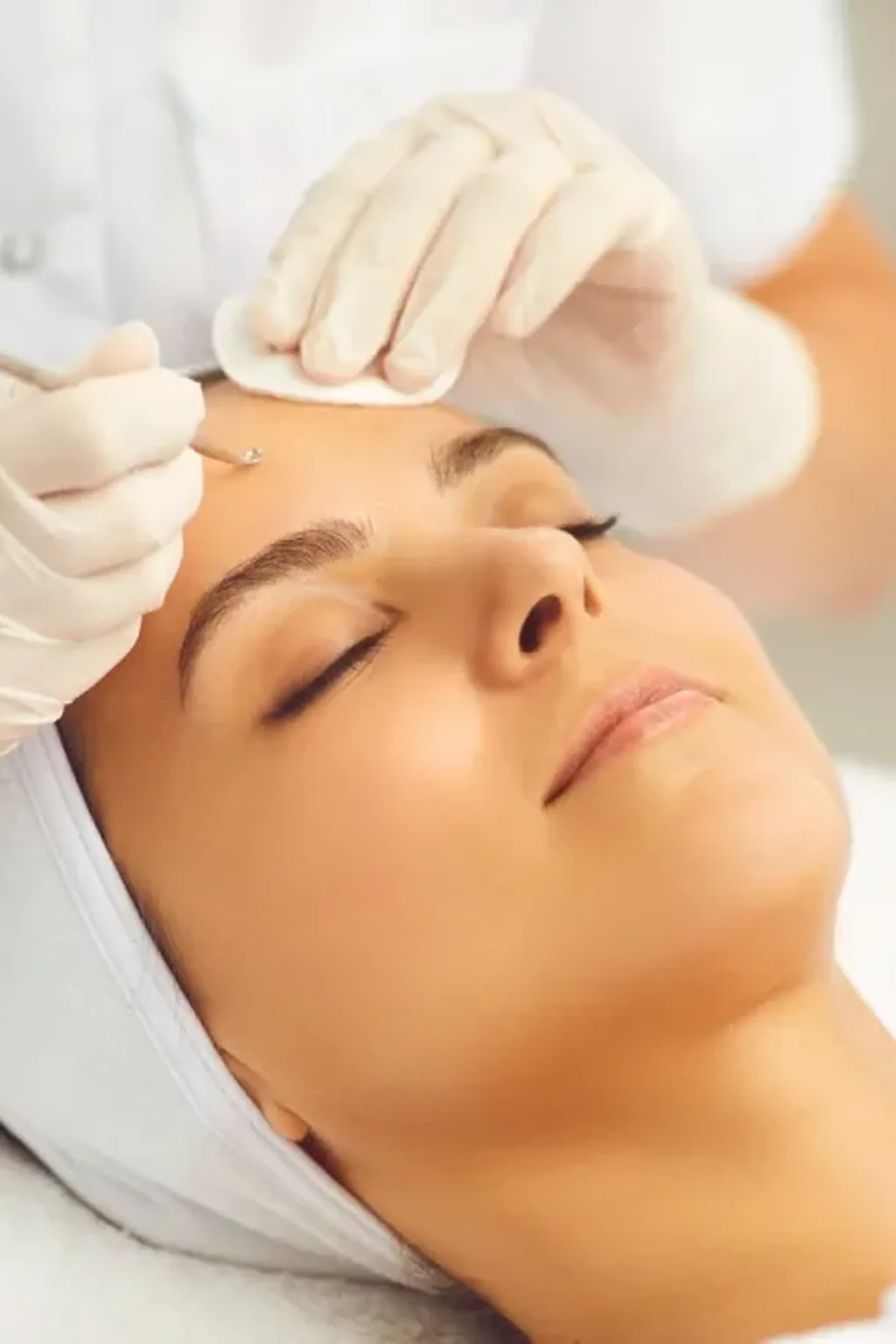
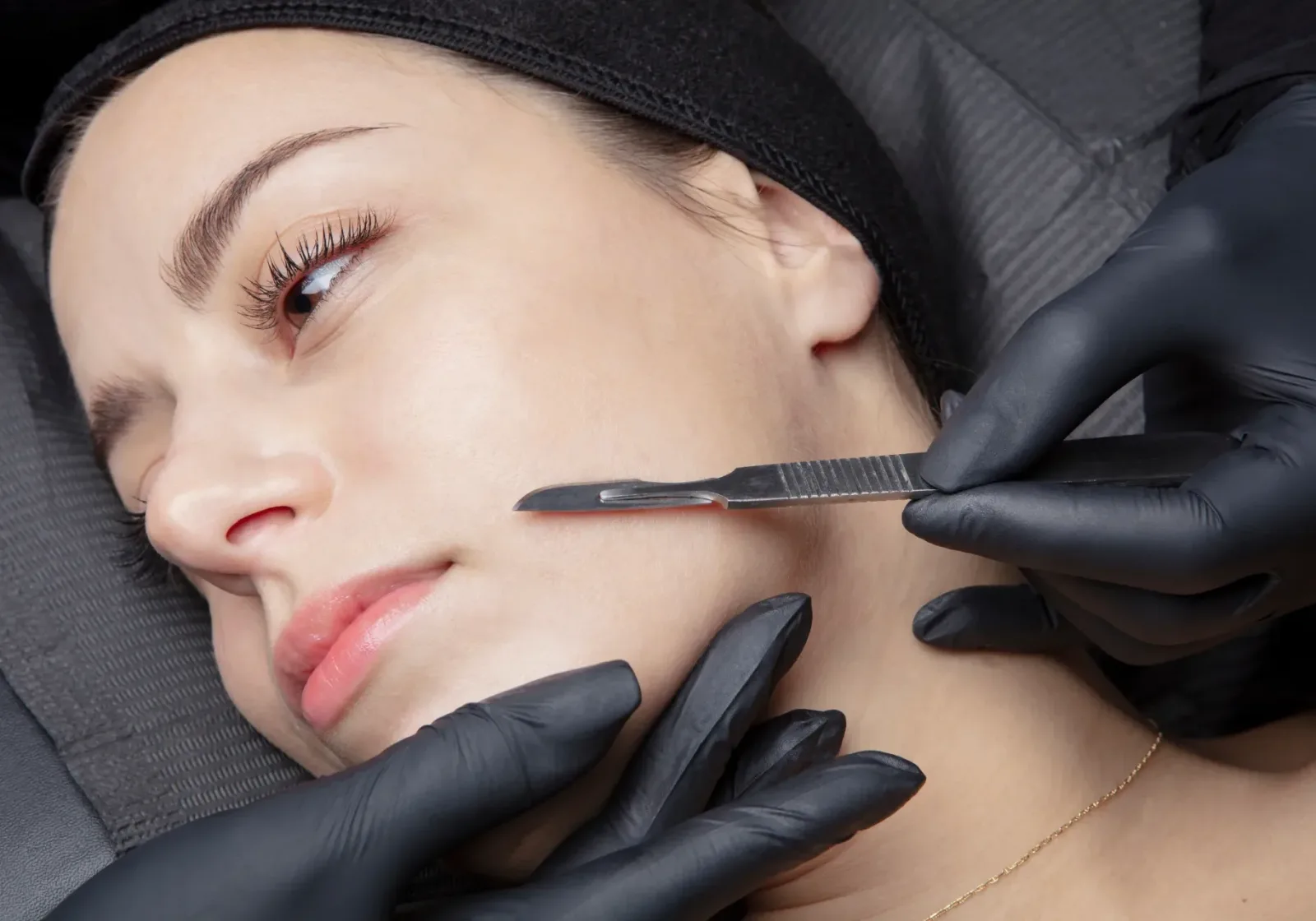
Dermaplaning certification is a short hands-on course that adds an in-demand exfoliation treatment to an existing facial menu, and it is one of the fastest additions to pay for itself. ANNAZUR Academy in Jacksonville, Florida runs it in one day with tools included.
Of all the services you can add in a single day, dermaplaning has the shortest distance between learning it and billing for it. It pairs with treatments you already offer and clients ask for it by name.
It pairs rather than competes
Dermaplaning removes dead surface cells and vellus hair, which is why it sits so comfortably before other treatments — product goes on to a cleaner surface and makeup sits better afterwards. It adds to an appointment instead of replacing one.

For an esthetician with an established facial menu, that is the entire commercial argument. The same client, the same visit, more value delivered.
Clients ask for it by name
Unlike many treatments you have to explain before you can sell, dermaplaning already has recognition. People arrive asking whether you offer it, and if you do not, they go to someone who does.
That is a different kind of demand from the kind you have to create, and it is the reason a one-day course can pay for itself quickly.
Wondering whether it fits your menu? That is a short conversation, and it is free.
Where it fits in the appointment
It is quick, which means it can be slotted into an existing appointment structure without rebuilding your diary. Think about how it sequences with the rest of what you do and what you will say to the client about aftercare and sun exposure.
Do not stack it carelessly with strong exfoliation in the same visit. More is not better on freshly dermaplaned skin, and the course covers where the limits are.
Rebooking looks after itself
The effect is not permanent and the result is immediately visible, which is a good combination commercially: clients see the difference on the day and come back on a rhythm rather than needing to be persuaded.
Set that expectation at the first appointment. Clients who understand the rhythm book it; clients who do not treat it as a one-off treat.
Two kinds of student
Experienced professionals adding an in-demand service, and beginners starting with a treatment clients already want. The course is built for both.
If you are not yet licensed, sort the license question first — what you may perform on a paying client in Florida depends on it, not on a certificate. We will be straight with you about that at the consultation. Course details are on the course page.
Also in this series:
The short version.
- Pairs, not competes: same client, same visit, more delivered.
- Known by name: demand you do not have to create.
- Short: fits an existing appointment structure without rebuilding the diary.
- Visible: the result shows on the day, so rebooking is easy.
- License first: the certificate records training; the license decides what you may perform.
See the dermaplaning course, or book a free consultation with an instructor at the spa.
See the dermaplaning courseAdding the service. Questions answered plainly.
Does dermaplaning combine with a facial?
Yes, and it is one of the most natural pairings on a skincare menu.
Is it worth adding to an existing menu?
It is one of the fastest additions there is — one day of training and a service clients already ask for.
Can I stack it with strong exfoliation?
Not carelessly in the same visit. The course covers where the limits are.
How often do clients return?
On a rhythm, because the effect is temporary and the result is visible immediately.
How long does the training take?
One day, three hours in person, with tools included and kept.
Do I need to be licensed?
To treat paying clients in Florida, what you may perform depends on your license. Confirm your scope with the Board.