Brazilian sugaring: the technique that decides your reputation
Brazilian bikini sugaring is taught as its own block inside the two-day sugaring course at ANNAZUR, alongside technique for other body areas. It is practised on real models with personalised feedback, because this is not a technique that transfers from video.
Every hair removal practitioner is eventually judged on one service. Legs forgive a slow hand; a Brazilian does not. It is also the appointment clients talk about to their friends, in either direction.
Why this one is different
The skin is thinner, the hair grows in several directions within a small area, and the client is more exposed than in any other appointment. Technique matters, but so does pace and so does how you talk while you work.
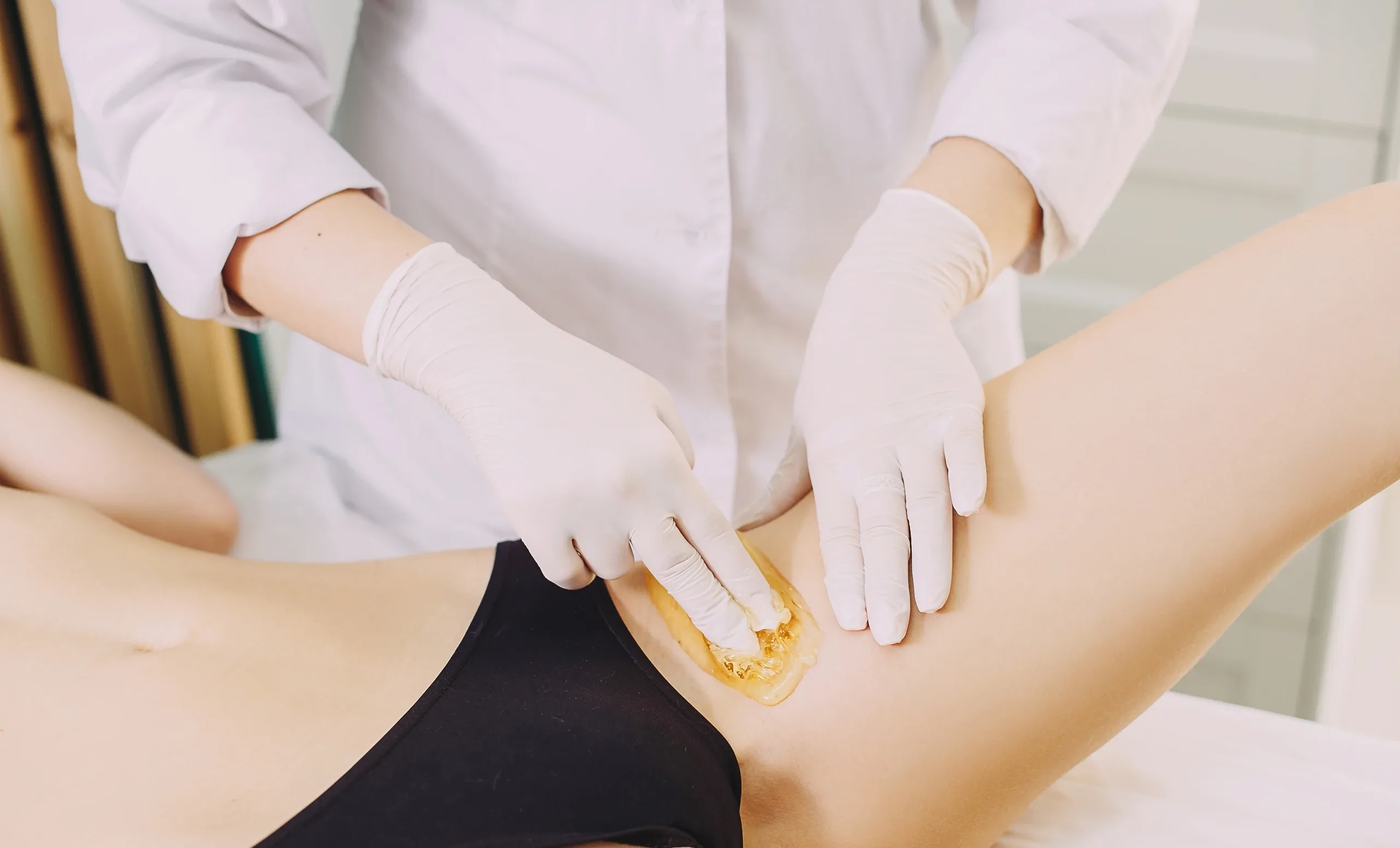
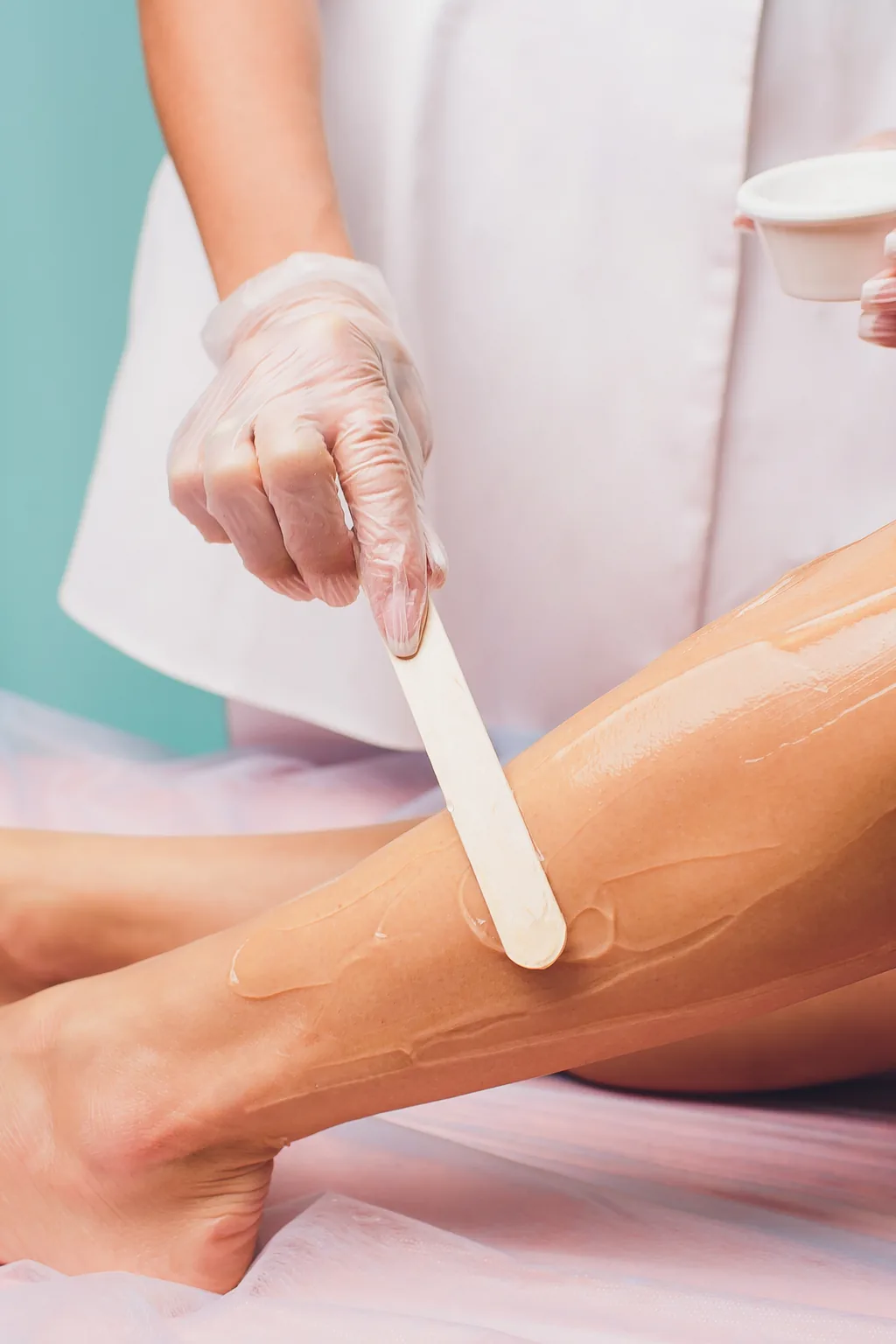
Sugaring helps here. The paste comes off in the direction of growth rather than against it, so it tugs the skin less than a wax strip, and what remains rinses with water. On the most sensitive area in the menu, that difference is the whole experience.
Direction, section, rhythm
The craft is in reading growth direction across a small area where it changes repeatedly, sectioning so you are never re-working skin you have already cleared, and keeping a rhythm that gets the appointment done before the client tenses up.
That is why the course spends time on work schemes rather than only on the flick. An efficient route through the area is what separates a twenty-minute Brazilian from a forty-minute one, and the client feels every extra minute.
Nervous about this one specifically? Say so at the consultation — it is free.
What clients should be told
Hair needs about a quarter inch — roughly two to three weeks of growth. Shorter and the paste has nothing to grip, so the result is patchy and the appointment hurts for no reason.
The other thing worth saying out loud is the cycle. Three to four weeks keeps the area synchronised, so more comes out at once and it genuinely stops hurting the way the first couple of times did. Anyone who promises regulars can stretch to eight weeks is selling a worse result.
Practice on real people
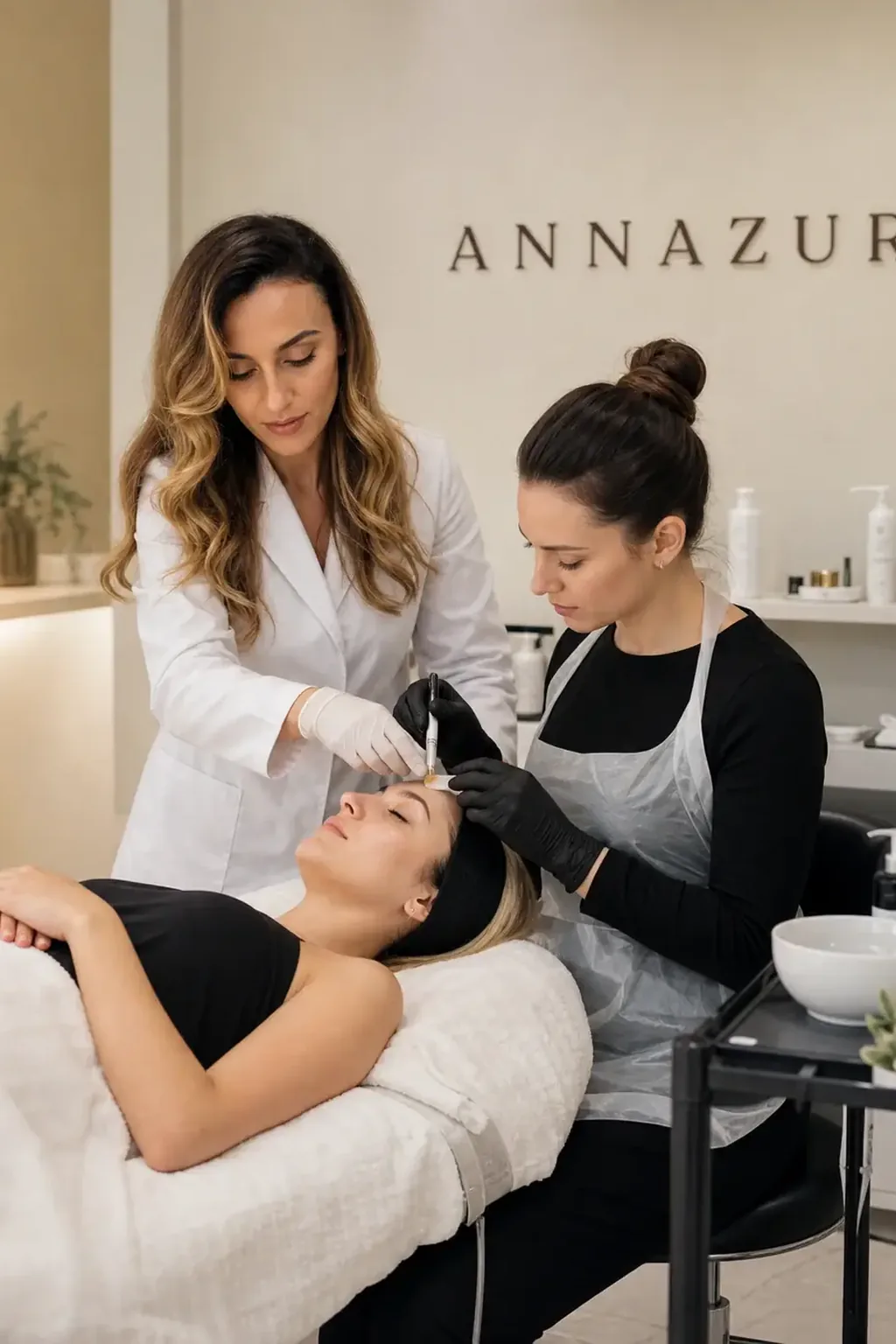
This is taught on real models under supervision, and there is no substitute. Skin varies, hair varies, and the feedback that fixes your angle has to happen while your hand is moving.
Personalised correction from an instructor in the room is the whole reason the two days exist.
Where the mistakes happen
Paste too soft for the room, working against growth out of habit from waxing, re-working cleared skin, and rushing the first ten minutes so the client never settles. The course covers common errors and how to avoid them as its own subject, which is unusual and is the part people quote back to us a year later.
Also in this series:
The short version.
- Thin skin, many directions: the reason this needs its own block.
- Paste direction: removed with growth, not against it — gentler than a strip.
- Work schemes: an efficient route is what keeps the appointment short.
- Quarter inch: roughly two to three weeks of growth before a visit.
- Real models: supervised practice, because angle correction has to be live.
See the sugaring and waxing course, or book a free consultation with an instructor at the spa. The free consultation is available at both Jacksonville locations — Salisbury Road and Sutton Park Drive South.
See the sugaring courseBrazilian technique. Questions answered plainly.
Is Brazilian taught separately?
It is a dedicated block inside the two-day sugaring course, alongside technique for other body areas.
Does sugaring hurt less than waxing here?
It pulls the skin less, because the paste is removed in the direction of growth and not against it.
How much hair does a client need?
About a quarter inch, roughly two to three weeks of growth.
How often should clients come back?
Every three to four weeks. The cycle is what makes it progressively easier.
Do I practice on a real model?
Yes, with personalised feedback from your instructor.
Do I need experience first?
No. The course is built for people starting a career in organic hair removal.