Types of sugar paste, and choosing the right one
Sugar paste comes in different firmnesses, and the right one depends on the body area, the temperature of your room and the warmth of your own hands. Choosing between them is taught as its own subject inside the two-day sugaring course at ANNAZUR, with tools included so you learn on the paste you will use.
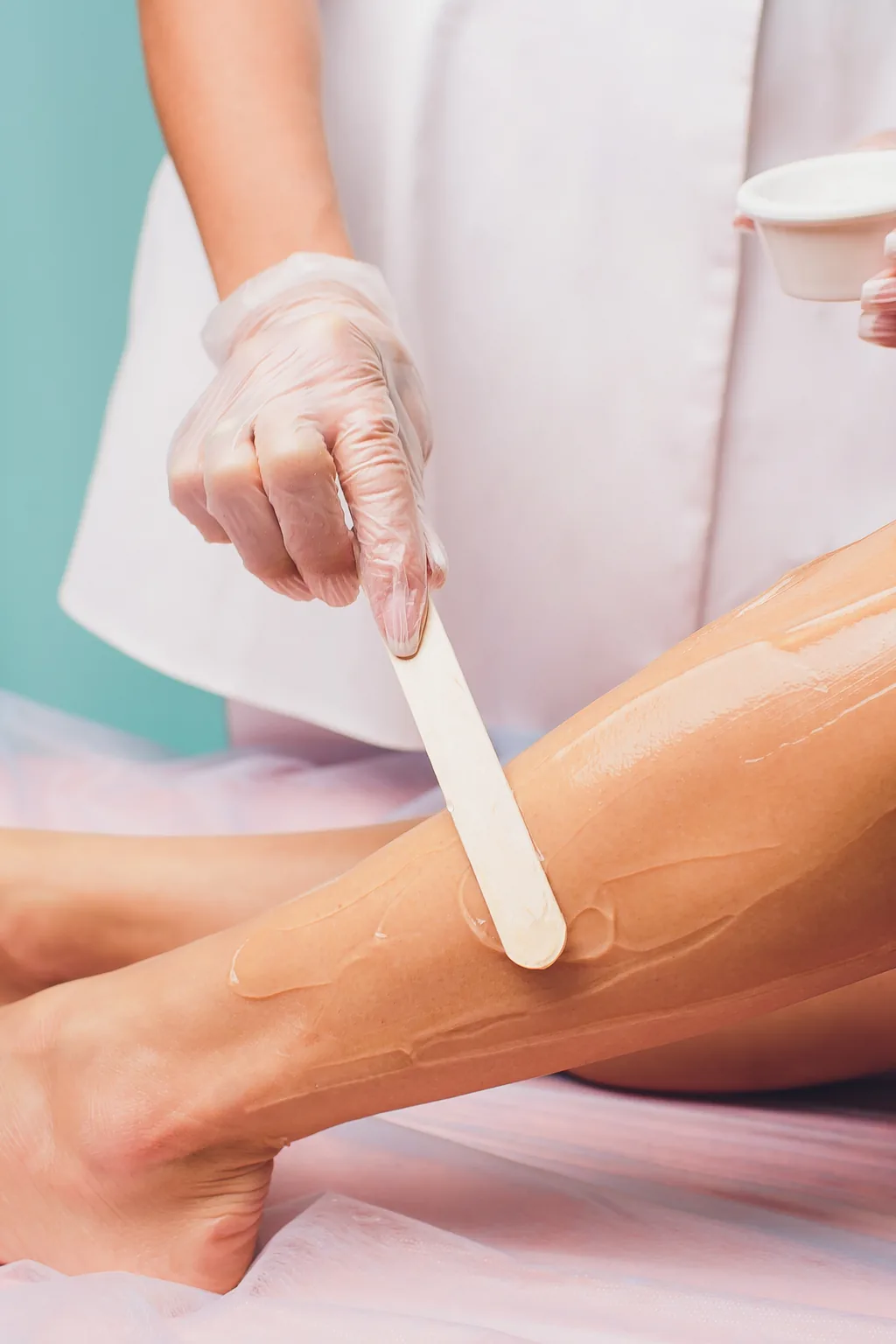
Ask an experienced practitioner what ruined their first month and most will say the paste. Not the technique, not the client — the paste was wrong for the room, and nothing they did with their hands could fix it.
Firmness is the main variable
Pastes are made in a range from soft to firm. Softer pastes spread easily and suit cooler conditions and larger areas; firmer pastes hold their shape in heat and on areas where you need control more than coverage.
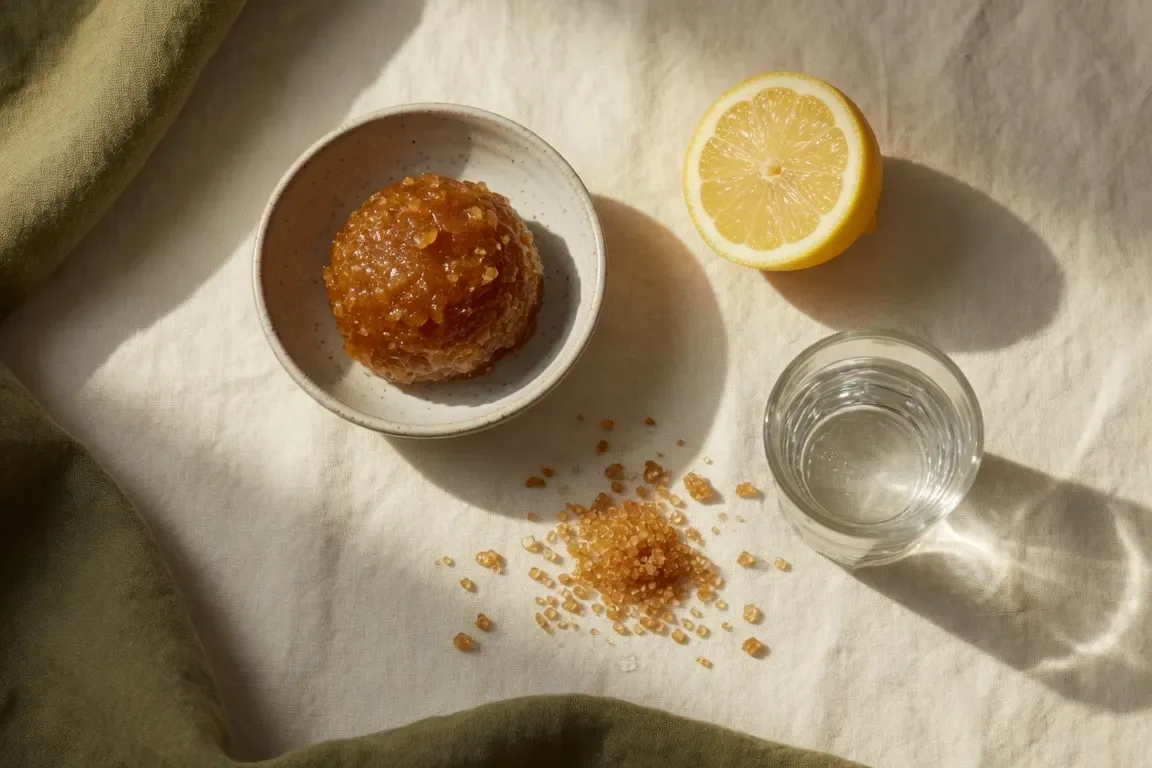
Jacksonville matters here. A paste that behaves perfectly in a cold northern salon turns to syrup in a humid Florida room, and that is not a technique problem you can work around.
Your hands are part of the equation
This is the part nobody says out loud. Paste is worked by hand, so your own body heat changes it as you go. Two practitioners in the same room with the same jar will need slightly different grades.
You cannot learn that from a product description. You learn it by working a jar under supervision and having someone tell you that the paste is not failing — it is too soft for you.
Struggling with paste that will not behave? Bring it up at the consultation — it is free.
Matching paste to body area
Coarser hair and smaller, more sensitive areas want different handling from a leg. Part of the course is technique by body area, and the paste decision travels with it rather than being a separate lesson.
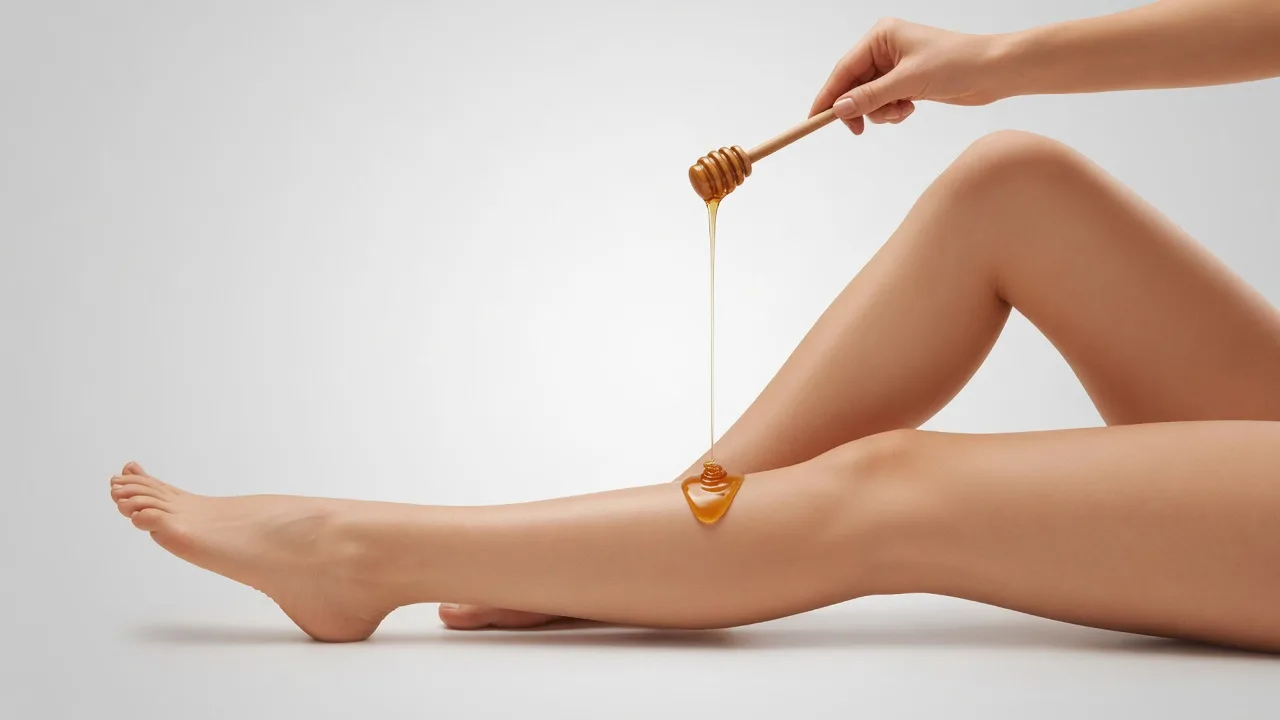
That is also why the Brazilian technique is taught as its own block: the area asks for the most control, so it is the least forgiving of a paste that is slightly off.
Why tools are included in the course
The kit comes with the training, so you practice on the paste you will actually work with and you are not choosing blind from a supplier catalogue in week one.
When you do start buying your own, change one thing at a time. A new paste and a new technique in the same week means you learn nothing from either.
Storage and handling
Paste responds to how it is kept as much as to how it is bought. Heat, cold and how long a jar sits open all change its behavior, and sanitization protocol decides whether a jar stays usable at all.
Disinfection and sanitization is a subject in its own right on the course, for good reason: hygiene failures are the one category of mistake that ends a practice rather than just a bad appointment.
Also in this series:
The short version.
- Firmness: soft to firm, matched to area and conditions.
- Florida heat: a paste that works up north can be unusable in a humid room here.
- Your hands: body heat changes paste as you work; grade is personal.
- Tools included: you practice on the paste you will use.
- Hygiene: sanitization is its own subject, and the mistakes there are the costly ones.
See the sugaring and waxing course, or book a free consultation with an instructor at the spa. The free consultation is available at both Jacksonville locations — Salisbury Road and Sutton Park Drive South.
See the sugaring courseSugar paste. Questions answered plainly.
How many types of sugar paste are there?
Broadly, a range from soft to firm. Which you reach for depends on the area, your room and your hands.
Does room temperature really matter?
Yes, particularly in Florida. Heat and humidity change how paste behaves more than beginners expect.
Is paste choice covered in the course?
Yes. Different types of sugar paste and their uses is one of the theory subjects.
Do I have to buy paste separately?
Not for the training. All necessary tools are included.
Can I use wax technique with sugar paste?
No, and trying to is a common error. Sugar is removed in the direction of growth, not against it.
What if the paste is not working for me?
Often it is the grade, not you. That is exactly the kind of thing supervised practice settles in an afternoon.