Four lip techniques, and which to learn first
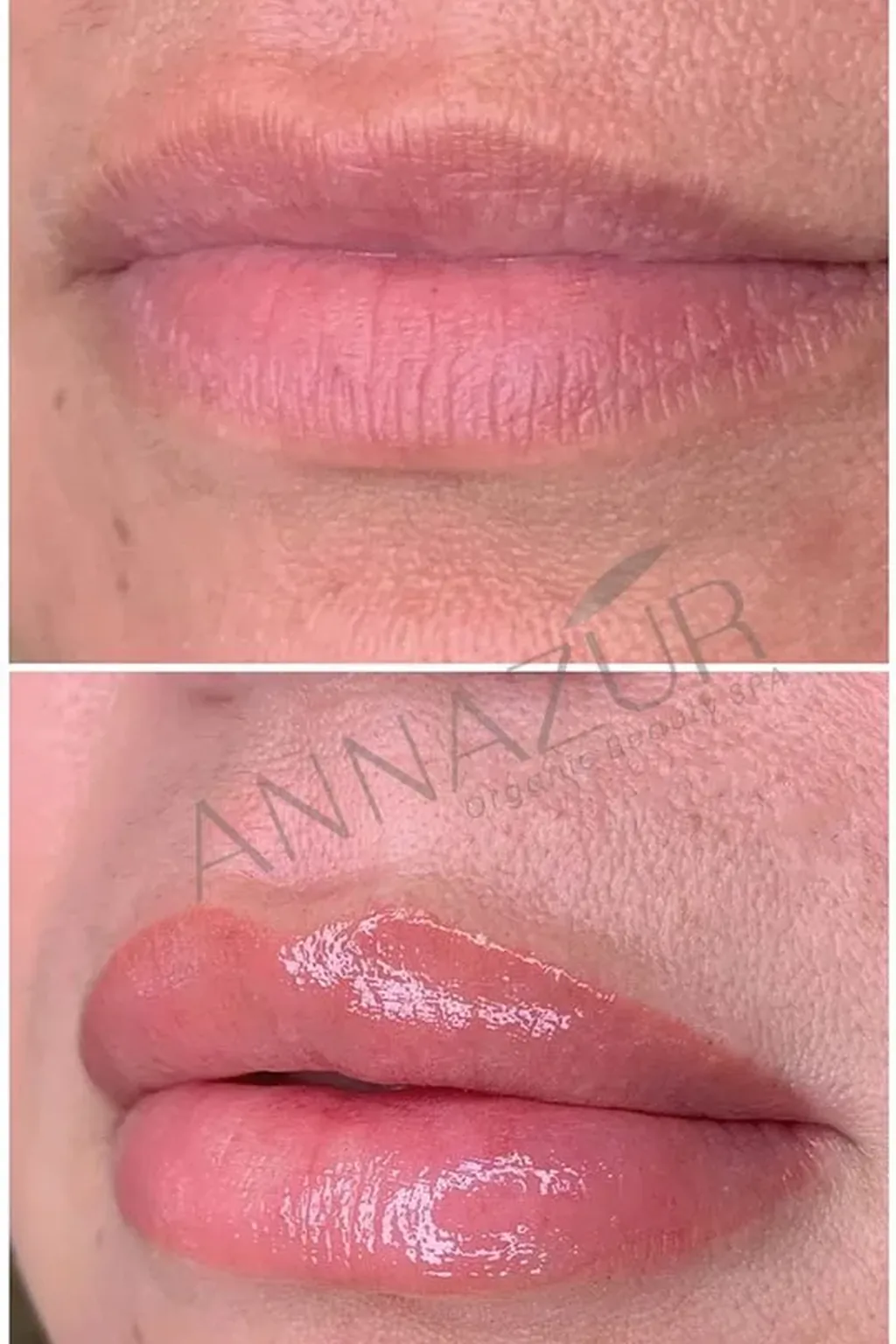
The lip techniques taught at ANNAZUR Academy are watercolour lips, lip neutralization, the lipstick effect and ombré lips. One technique is included in the base package and each additional one adds a day of in-person training, another model and its own certificate.
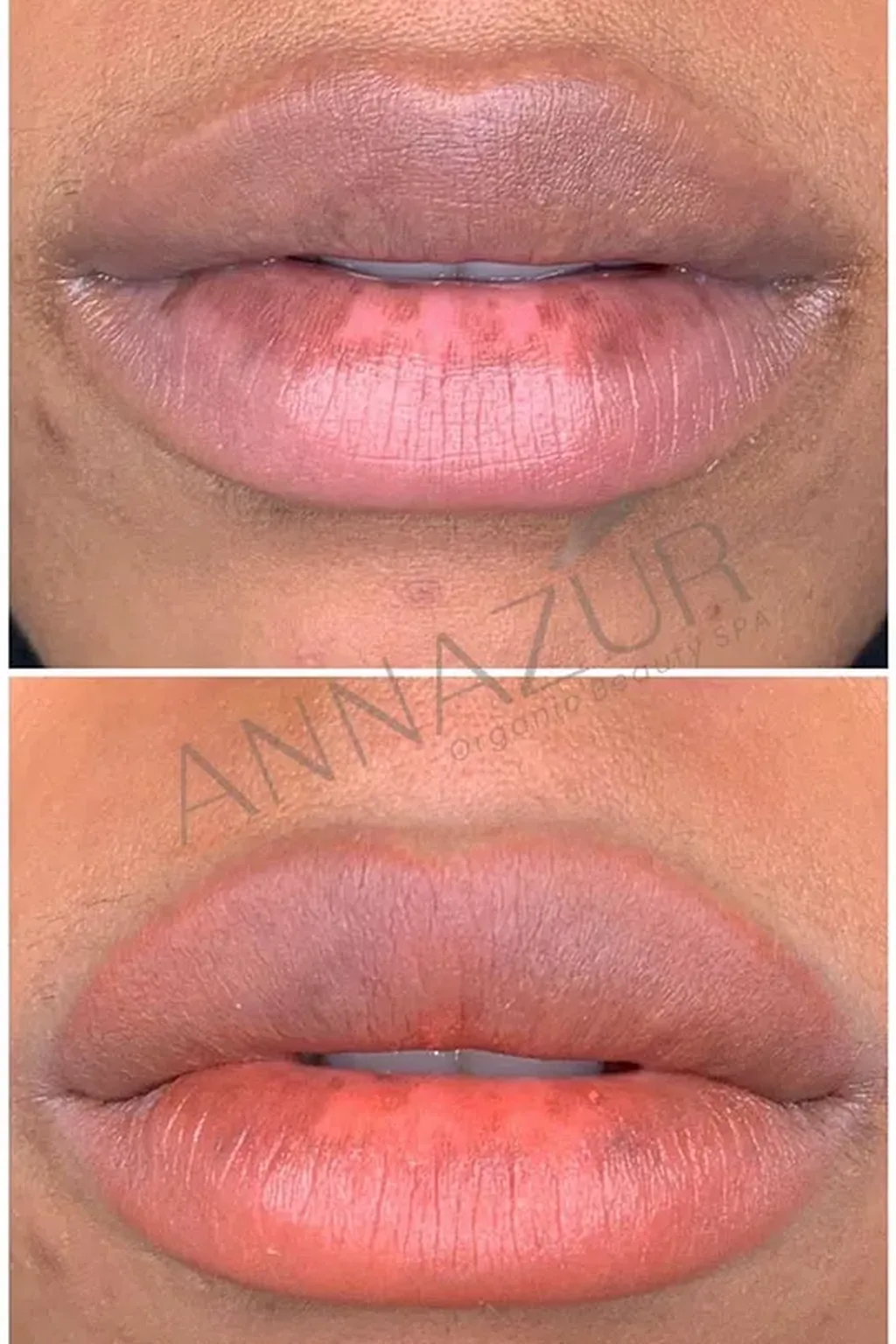
“Lip blush” is not one technique. It is a family of them, and a client who asks for lip blush may want any of four quite different outcomes.
Watercolour lips
The softest of the four. Pigment is laid in sheer, blended layers so the result reads as a natural flush rather than color. It suits clients who want to look like themselves on a good day and who would be alarmed by anything that reads as makeup.
It is the most forgiving to live with and the least forgiving to execute, because unevenness has nowhere to hide in a sheer result.
Ombré lips
A gradient: deeper at the border, lighter toward the center. It creates the illusion of depth and definition, which is why clients with flatter or less defined lips tend to prefer it.
The skill is the transition. A hard edge between the two zones is the error that gives ombré a bad name.
Lipstick effect
Full, saturated color, edge to edge. This is the client who wears lipstick every day and wants to stop. It is the most dramatic of the four, which makes consultation more important than technique — a saturated result is the hardest to walk back.
Lip neutralization
Not a color choice but a correction. Lips with blue, purple or gray undertones are brought to a neutral base before, or instead of, adding a shade. It is the one technique here that is genuinely color theory first and machine work second, and it is the one clients most often need and least often know to ask for.
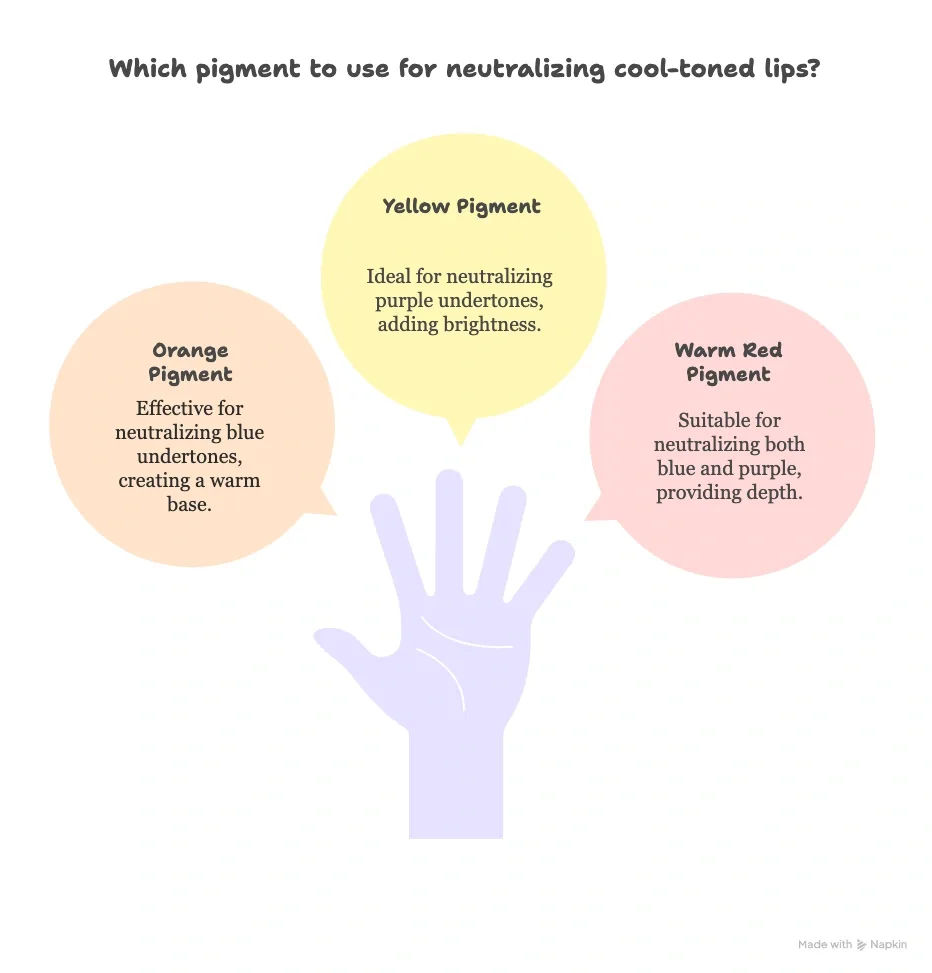
It is also where artists who skipped color theory run into trouble, which is why it is worth its own attention.
Not sure which technique fits your clients? That is a short, free conversation.
A sensible order
Learn one technique properly before adding a second. If you only learn one, watercolour or ombré covers the broadest range of client requests. If your enquiries lean toward dark or uneven lips, neutralization will earn more.
Adding techniques is built into the program — each one adds a day of in-person training, another month of support, practice on an additional model and a separate certificate. Most working artists end up with two or three.
Also in this series:
The short version.
- Watercolour: sheer and natural; unevenness has nowhere to hide.
- Ombré: gradient for depth; the transition is the skill.
- Lipstick effect: full saturation; consultation matters more than technique.
- Neutralization: a correction, not a color — color theory first.
- One at a time: add techniques as your client base asks for them.
See the lip blush course, or book a free consultation with an instructor at the spa. The free consultation for permanent makeup courses is held at our Hodges location, 13400 Sutton Park Dr S, Jacksonville.
See the lip blush courseLip techniques. Questions answered plainly.
Which technique is most popular?
Softer results — watercolour and ombré — cover the widest range of requests.
Can one client have more than one?
The techniques are approaches to the same procedure, so an artist chooses one per client based on the lips in front of them.
Is neutralization harder?
It depends more on color theory than on hand skill, which makes it harder for artists who skipped that part.
How many are included in the course?
One lip technique in the base package, with more available as additions.
Do I get a separate certificate?
Yes, a separate certificate for each technique.
Can I add brows or eyeliner instead?
Yes. Additional techniques can be taken from brows, lips or eyeliner.