Is permanent eyeliner safe? What the risks actually are
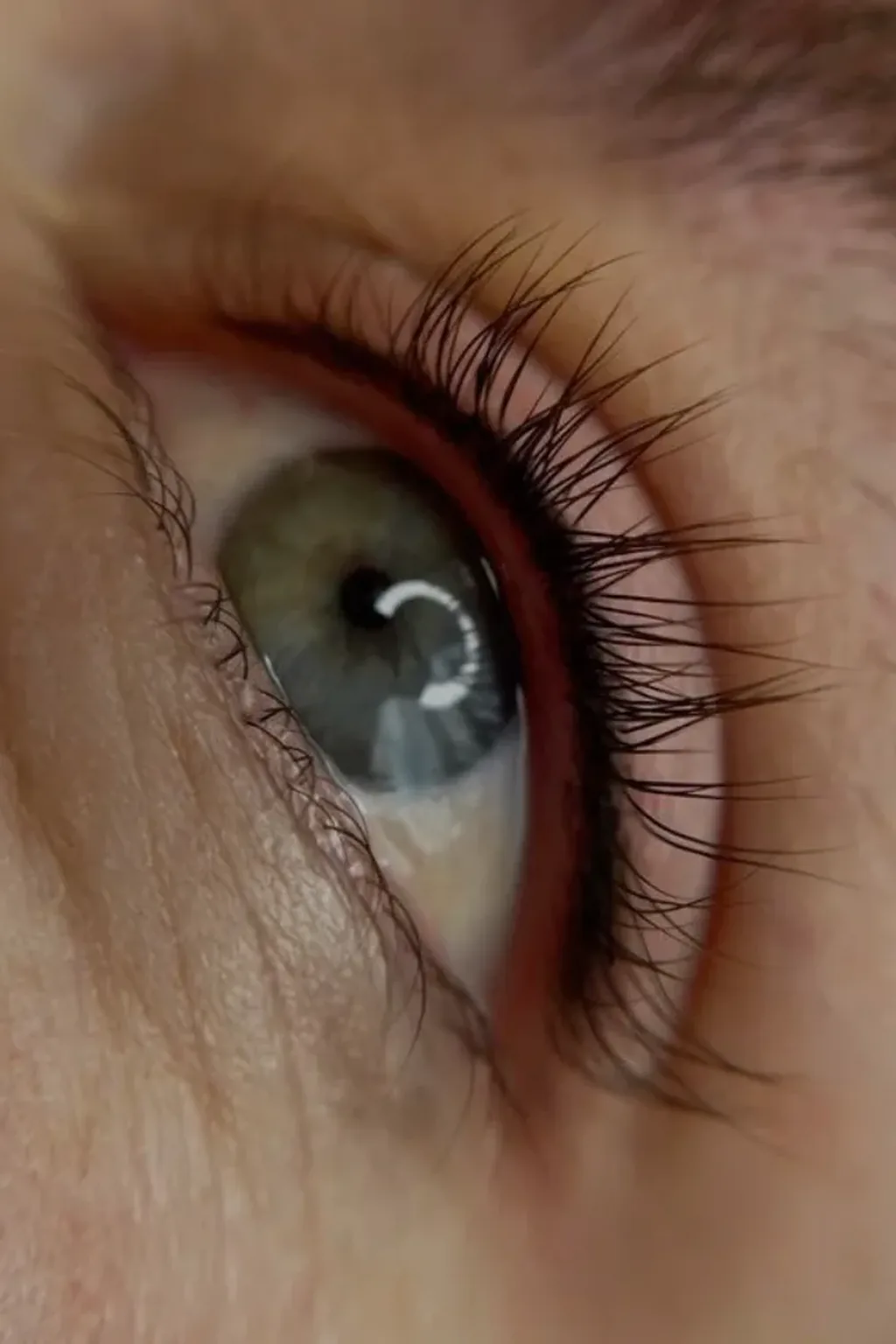
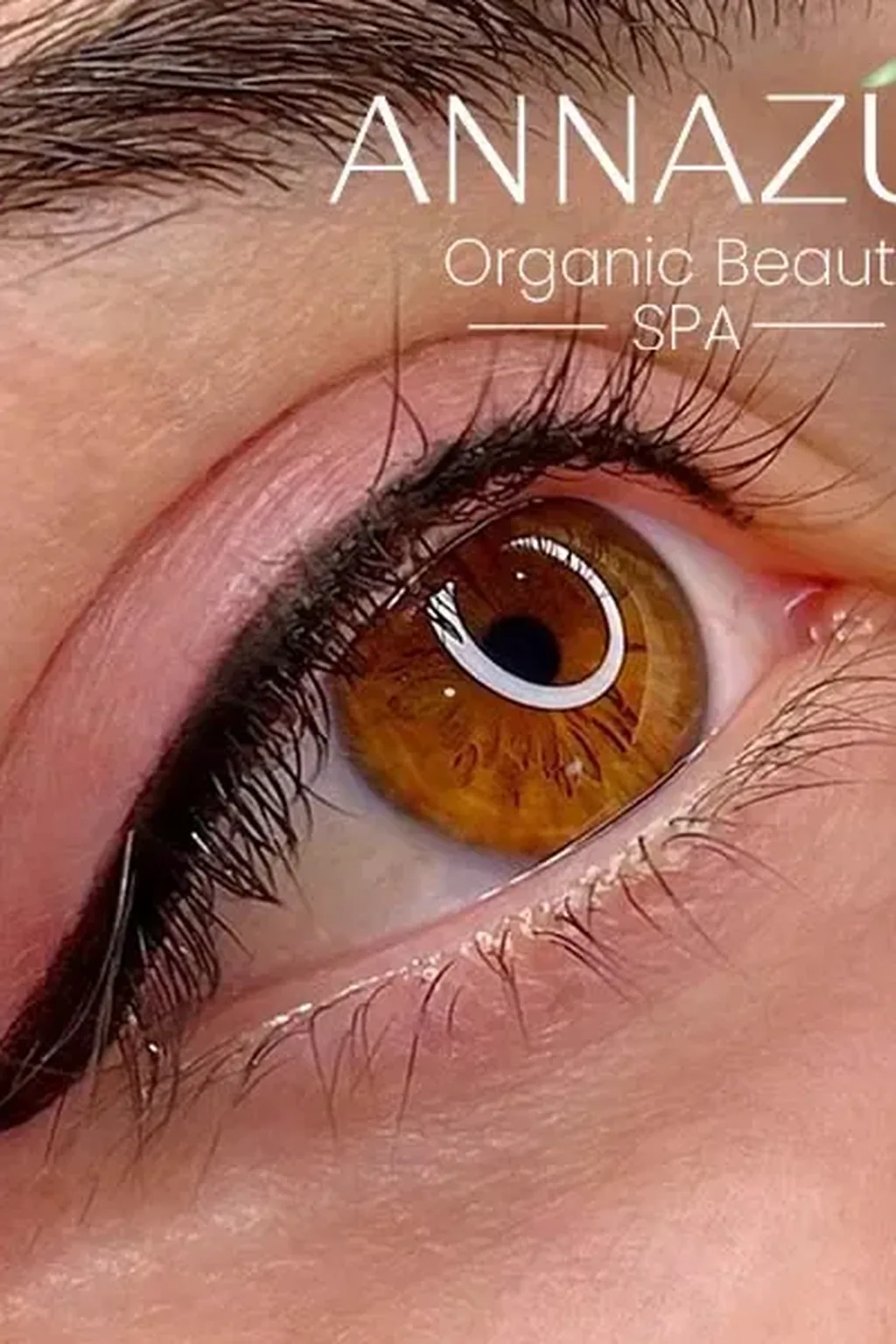
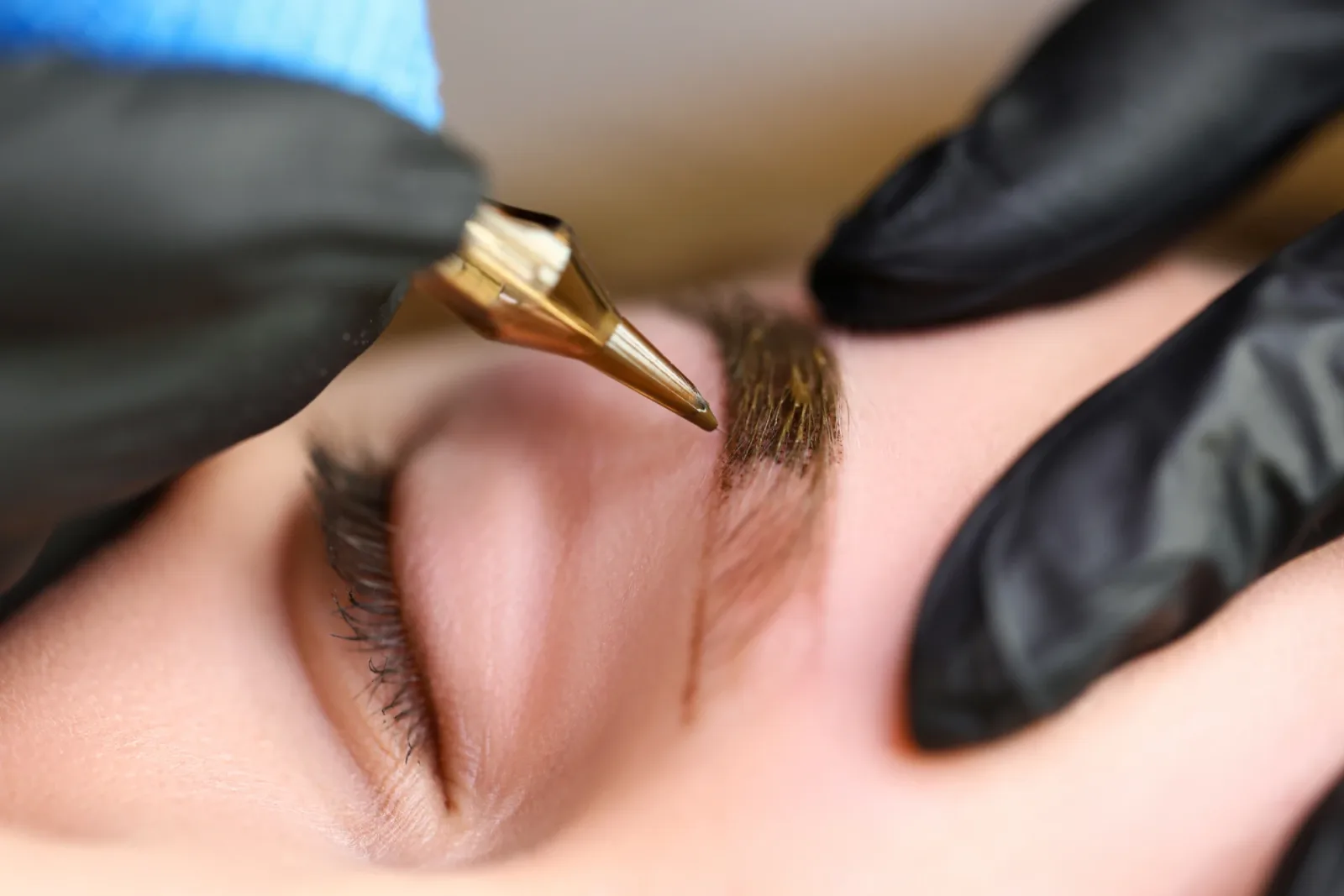
Permanent eyeliner is tattooing on the eyelid, performed millimeters from the eye on the thinnest skin on the body, so safety rests on the artist’s training, hygiene discipline and the client screening done beforehand. ANNAZUR in Jacksonville, Florida performs and teaches it.
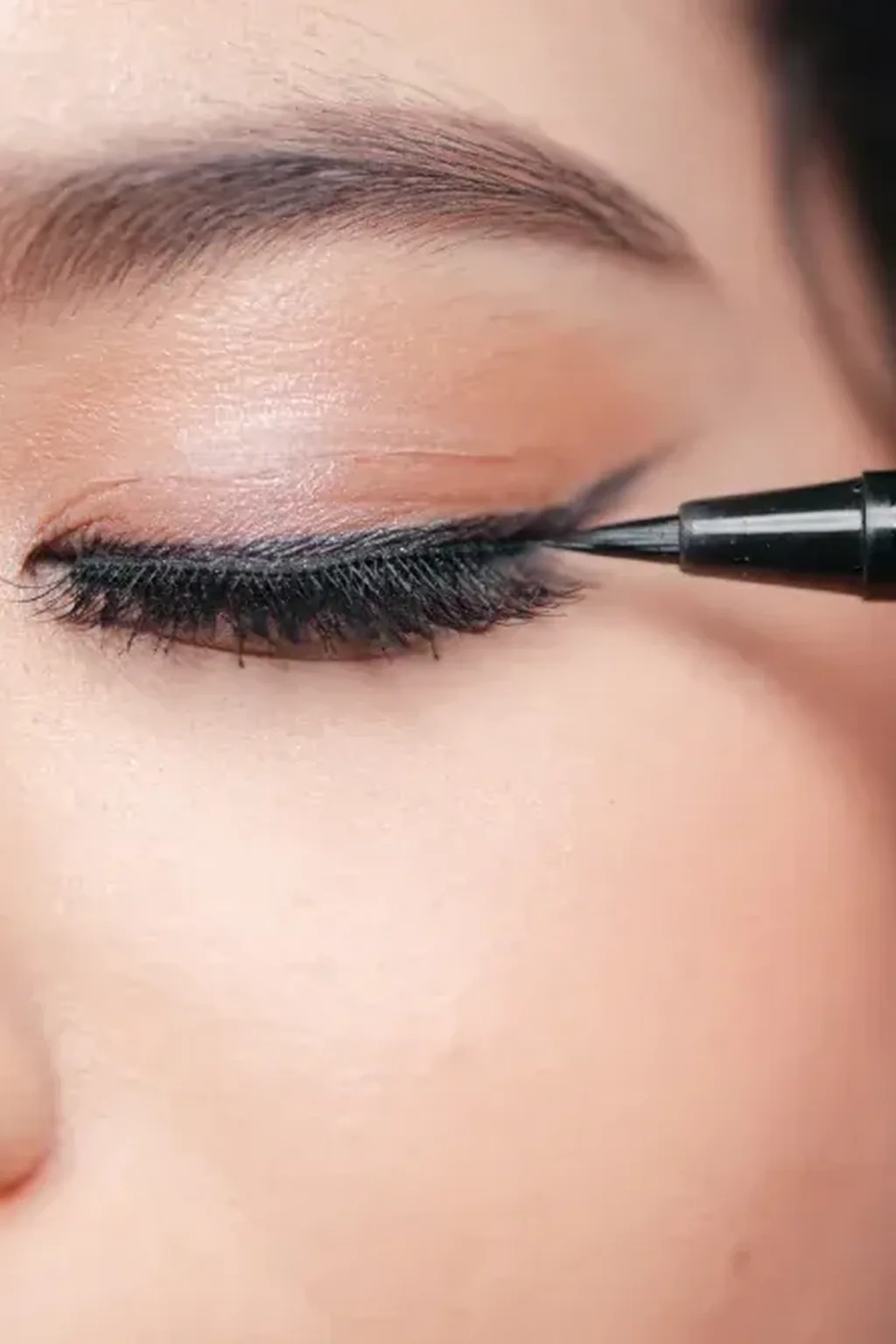
Artists who place a flawless brow stroke will admit they have never offered eyeliner. The technique is not the obstacle. The eye underneath it is.
The skin is different here
Eyelid skin is the thinnest on the body. It bruises more readily, swells faster and holds pigment differently from a brow, which is why technique transferred unchanged from brows gives disappointing results and more trauma than it should.
Skin construction and skin types are covered in the online theory for exactly this reason — the eye area is where generic assumptions fail first.
A still client is a technique, not luck
Clients flinch near the eye because flinching near the eye is what bodies are built to do. Your job is to remove the reasons: explain each step before it happens, position so your hand is supported rather than hovering, work in short deliberate passes, and tell them when they may blink.
Comfort for both artist and client is taught as a subject on the course, which sounds soft until you watch someone try to work on an eye they have made nervous.
Put off offering eyeliner because of nerves? Say so at the consultation — it is free.
Your own position matters as much
An unsupported hand shakes, and a shaking hand next to an eye is a bad combination. Workstation setup — chair height, table position, lighting, where the machine cable runs — is a day-one subject because it is what makes a steady hand possible.
Fatigue shows here before anywhere else. Eight hours of practice in the room is partly about learning how you work when you are tired.
Hygiene is stricter, not the same
Everything that applies elsewhere applies here with less tolerance: single-use items, barrier protection, cross-contamination discipline. Safety, hygiene and cross-contamination are their own presentations in the theory, and the course includes a checklist for passing Florida inspections.
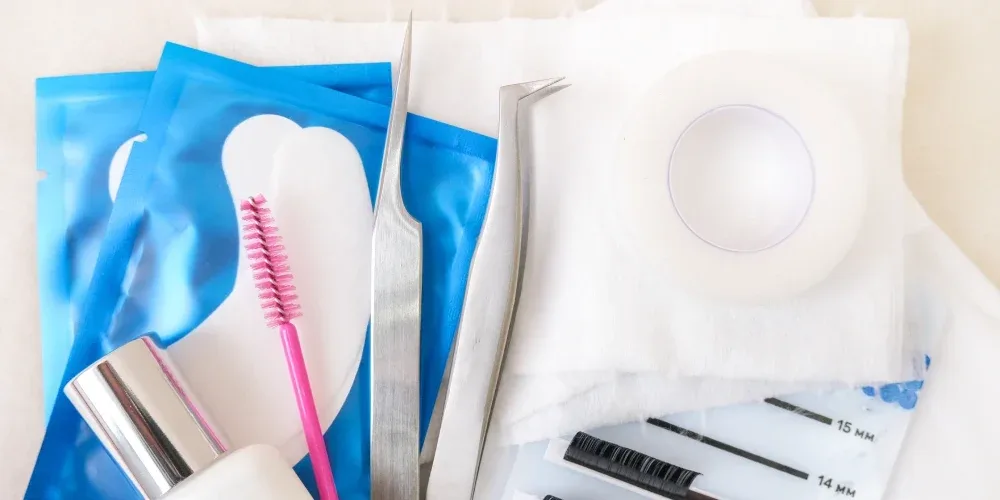
Anything that looks like an eye infection is a medical matter, not a beauty one. The client goes to a doctor, and that is not a judgment call to make on the fly.
Common pitfalls are taught deliberately
The course covers common pitfalls as a named topic rather than leaving them to be discovered. Meeting them in a room with a trainer beside you is the entire argument for supervised practice over watching video.
And that is how the nerve is built. Not by being told it is fine, but by having done it once with someone watching.
Also in this series:
The short version.
- Thinnest skin: bruises and swells faster; brow technique does not transfer unchanged.
- Stillness: explain, support the hand, work in short passes, say when to blink.
- Your setup: chair, table, lighting and cable position make a steady hand possible.
- Hygiene: same rules, far less tolerance.
- Supervised: the nerve comes from having done it once with a trainer beside you.
See the permanent eyeliner course, or book a free consultation with an instructor at the spa. The free consultation for permanent makeup courses is held at our Hodges location, 13400 Sutton Park Dr S, Jacksonville.
See the eyeliner courseSafety near the eye. Questions answered plainly.
Is permanent eyeliner dangerous?
It is performed close to the eye on thin skin, which is why training, hygiene standards and supervised practice matter more here than anywhere else.
Does it hurt the client?
It is uncomfortable rather than painful for most, and comfort technique is part of what is taught.
Why is eyelid skin different?
It is the thinnest on the body, so it bruises, swells and holds pigment differently.
What if the client cannot stay still?
Usually that is a briefing and positioning problem, both of which are taught.
What about eye infections?
Anything resembling an infection is a medical matter. The client sees a doctor.
Can I learn this as a beginner?
Yes. The program is beginner-friendly and every practice stage is supervised.