Healing: what to tell the client before you start
Lip blush heals through swelling, darkening, peeling and a ghost phase where color appears to vanish before returning over two to four weeks. Healing and pigment behavior are covered in the online theory of the lip blush training at ANNAZUR Academy, because managing the client through it is as much a part of the job as the procedure.
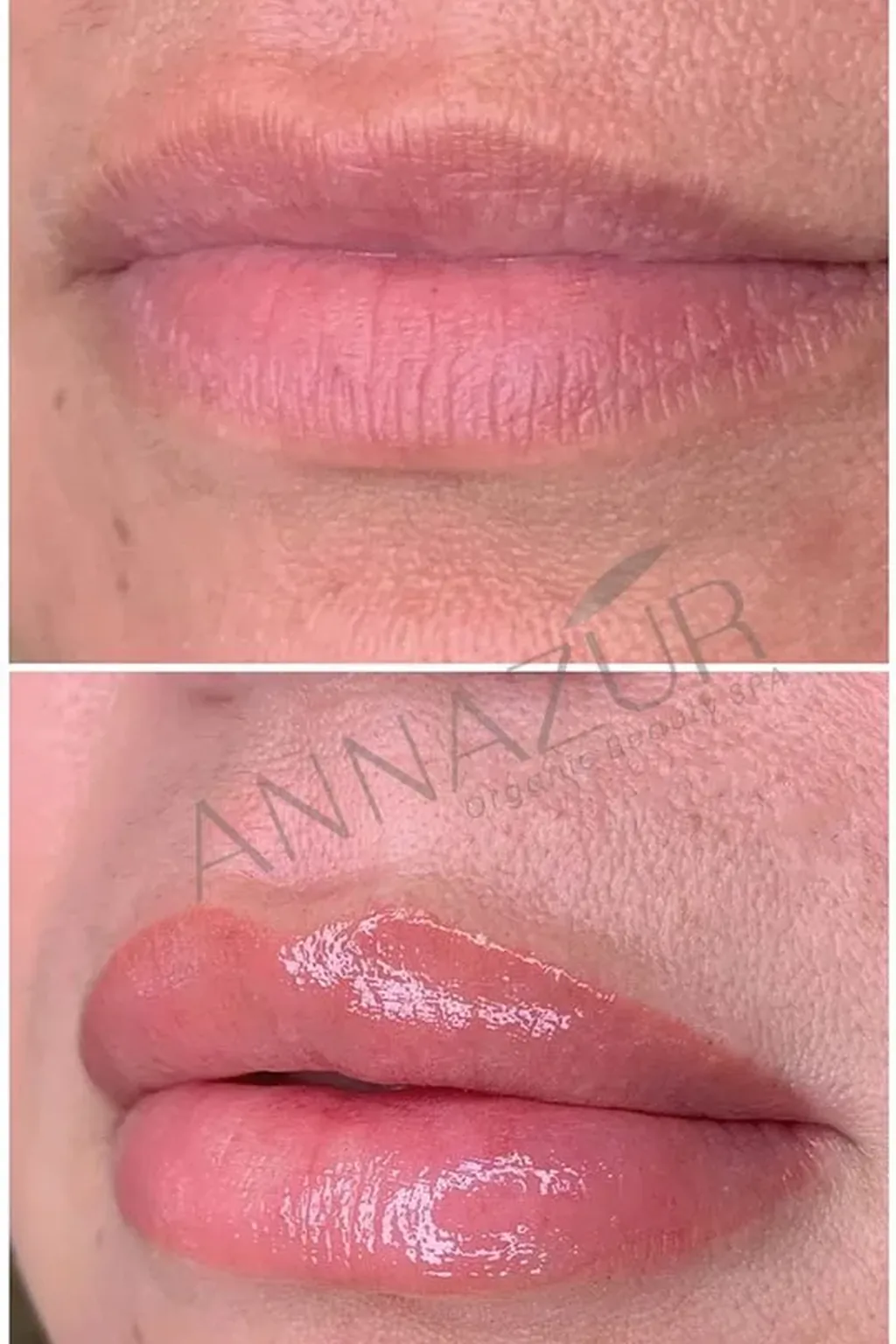
Almost every unhappy lip client is unhappy on day four, not at twelve weeks. The result is usually fine. What failed was the briefing.
Lips heal louder than brows
More blood flow, constant movement, food, drink and speech. Swelling is more visible, color shifts are more dramatic, and the whole process is happening on the most looked-at part of the face.
An artist who has only done brows underestimates all of this, and underestimates how alarming it is for the client.
The stages, in order
Immediately after, the lips are swollen and the color looks far stronger than the final result. Over the first days the color darkens and the surface tightens. Then peeling begins, and the client must not help it along.
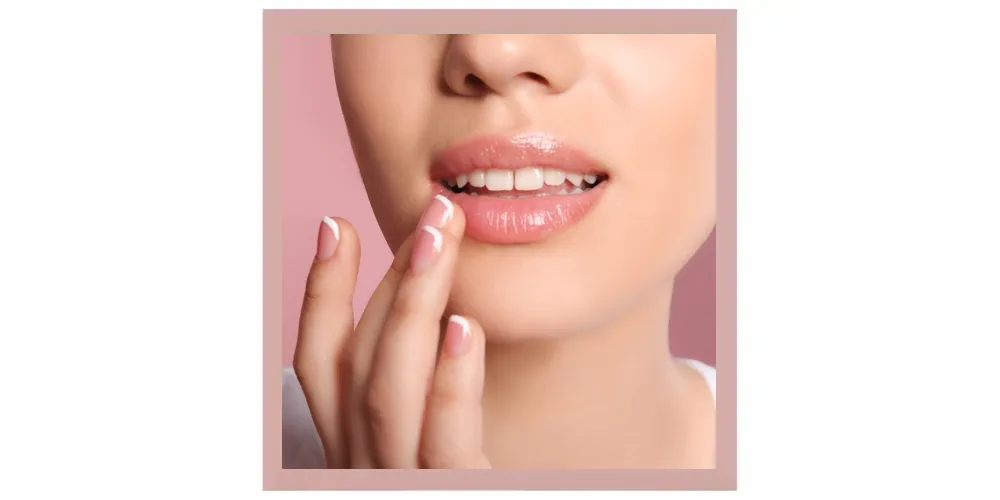
Then the ghost phase: the color appears to vanish almost entirely. This is the point at which clients message in a panic. Over the following weeks the color re-emerges, softer and truer, and the result settles in roughly two to four weeks.
Say it before, not after
Every sentence above is reassuring beforehand and sounds like an excuse afterwards. Describe the ghost phase by name at the consultation, write it in the aftercare, and tell them the day it is likely to happen.
A client who was warned sends you a curious message. A client who was not sends an angry one, and sometimes a review.
Getting panicked day-four messages? That is a briefing problem, and a short free conversation fixes it.
The touch-up is part of the plan
Lips frequently need a second pass, and that is normal rather than a failure. Framing the touch-up as part of the process from the outset changes how the first result is received entirely.
It is also when you take the healed photograph for your portfolio, which is the only kind worth showing.
Contraindications and cold sores
Lip work can trigger cold sores in clients who are prone to them, which is a conversation to have before booking rather than afterwards. Safety, contraindications and hygiene are covered in the technical presentations in the online theory.
If a client is unsure whether something in their history matters, the answer is that it matters enough to ask. Clinical questions belong with their doctor, not with a beauty professional.
Where this is taught
Skin anatomy, healing processes and pigment behavior are the backbone of the online theory, with lifetime access so you can return to them when a real case does not match the textbook.
The month of instructor support afterwards exists for exactly those cases. Course details are on the course page.
Also in this series:
The short version.
- Louder than brows: more blood flow, more movement, more visible change.
- The ghost phase: color seems to vanish, then returns over two to four weeks.
- Before, not after: the same sentence reassures beforehand and excuses afterwards.
- Touch-up: plan it from the start, and photograph then.
- Cold sores: ask before booking, not after.
See the lip blush course, or book a free consultation with an instructor at the spa. The free consultation for permanent makeup courses is held at our Hodges location, 13400 Sutton Park Dr S, Jacksonville.
See the lip blush courseHealing. Questions answered plainly.
How long does lip blush take to heal?
The color settles over roughly two to four weeks, after swelling, darkening, peeling and a ghost phase.
What is the ghost phase?
The point where color appears to vanish before re-emerging. It is normal and it is when clients panic.
Why do lips need a touch-up more often than brows?
Lips are a high-movement, high-blood-flow area and hold pigment less predictably.
Should clients peel the flakes?
No. Picking during peeling is the most common cause of patchy healed results.
Can lip work trigger cold sores?
It can in clients who are prone to them, which is a conversation to have before booking.
Where is healing covered in the course?
In the online theory — skin anatomy, healing processes and pigment behavior — with lifetime access.