How to become a permanent makeup artist in Florida
Permanent makeup is tattooing in Florida, so it needs a tattoo artist license from the Department of Health — not an esthetician license. One Department-approved course, a state fee and a licensed establishment to work in. There is no apprenticeship and no minimum school hours. Facials are the opposite: 220 hours at a cosmetology school before you may touch a client.
In Florida, permanent makeup is tattooing — not cosmetology. That single fact decides everything else: you do not need an esthetician license to do microblading, powder brows or lip blush here. You need a tattoo artist license from the Department of Health, and compared with cosmetology school it is a short road.
Why permanent makeup counts as tattooing
The Florida Department of Health states plainly that microblading, permanent cosmetics and micro-needling performed with pigments, dyes or ink are a form of tattooing in this state. The practice sits under sections 381.00771–381.00791 of the Florida Statutes and Chapter 64E-28 of the Florida Administrative Code.

The Board of Cosmetology says the same thing from the other side. Its rule 61G5-18.00015, in force since October 2021, puts micro-needling and permanent makeup outside the scope of cosmetology practice. An esthetician license does not authorize them, however advanced the holder is.
This surprises people who assume the beauty route runs through cosmetology school. It runs through the health department instead, because the procedure breaks the skin and produces biomedical waste.
What the tattoo artist license actually requires
The list is short, and every item is verifiable. You must be at least 18 years old and provide a government-issued photo ID. You must complete a Department-approved bloodborne pathogen and communicable disease course and pass its exam with a score of at least 70 percent. You must name the licensed tattoo establishment where you work, or intend to work, on the application. You apply in the county where you live — not the county where you plan to work. And you pay the state fee.
What it costs, end to end
There are three numbers to budget for: the approved communicable disease course, the state license fee, and a county surcharge on top. Renewal later costs the state fee again with no course to retake, and reactivating a lapsed license costs a little more than a straight renewal.
County fees are the part nobody warns you about, and they are not published in one place. Call your county health department before you budget. In Duval County that is the Department of Health at 921 N Davis Street, Suite 380, Jacksonville, on (904) 253-1280 — they will quote you the current figures in a minute.
The license runs for one year. A Florida tattoo artist license is valid statewide for one year from the date it is issued, and it has to be renewed annually; a license not renewed by its expiry date is treated as inactive, and reactivating one costs more than a straight renewal. Budget for it as a recurring item, not a one-off.
Not sure which route fits you? Come in and ask — a consultation with an instructor is free.
The step most applicants miss
You cannot be processed as a free-floating artist. The application asks for the licensed tattoo establishment you will work at, and tattooing must physically happen in one. The establishment carries its own license, passes its own inspections, and needs a Biomedical Waste Generator Permit because needles and contaminated pigment are biomedical waste.
So the order matters: take care of the course, then line up where you will actually work, then apply. Arriving at the health department with a certificate and no establishment is the most common way to lose a month.
Facials are the opposite case
If what you actually want is to perform facials, the route is longer and runs through a school. Florida requires a facial specialist registration, which means completing a minimum of 220 hours at a licensed Florida cosmetology school and then registering with the Department. The combined full specialist credential is 400 hours: 220 facial plus 180 nails.
That is the honest comparison. Permanent makeup is a course, a fee and a licensed room. Skin care is most of a semester. Neither is better — they are different professions that happen to share a waiting area.
Where ANNAZUR fits, and where it does not
We should be precise about this, because the question comes up every week.
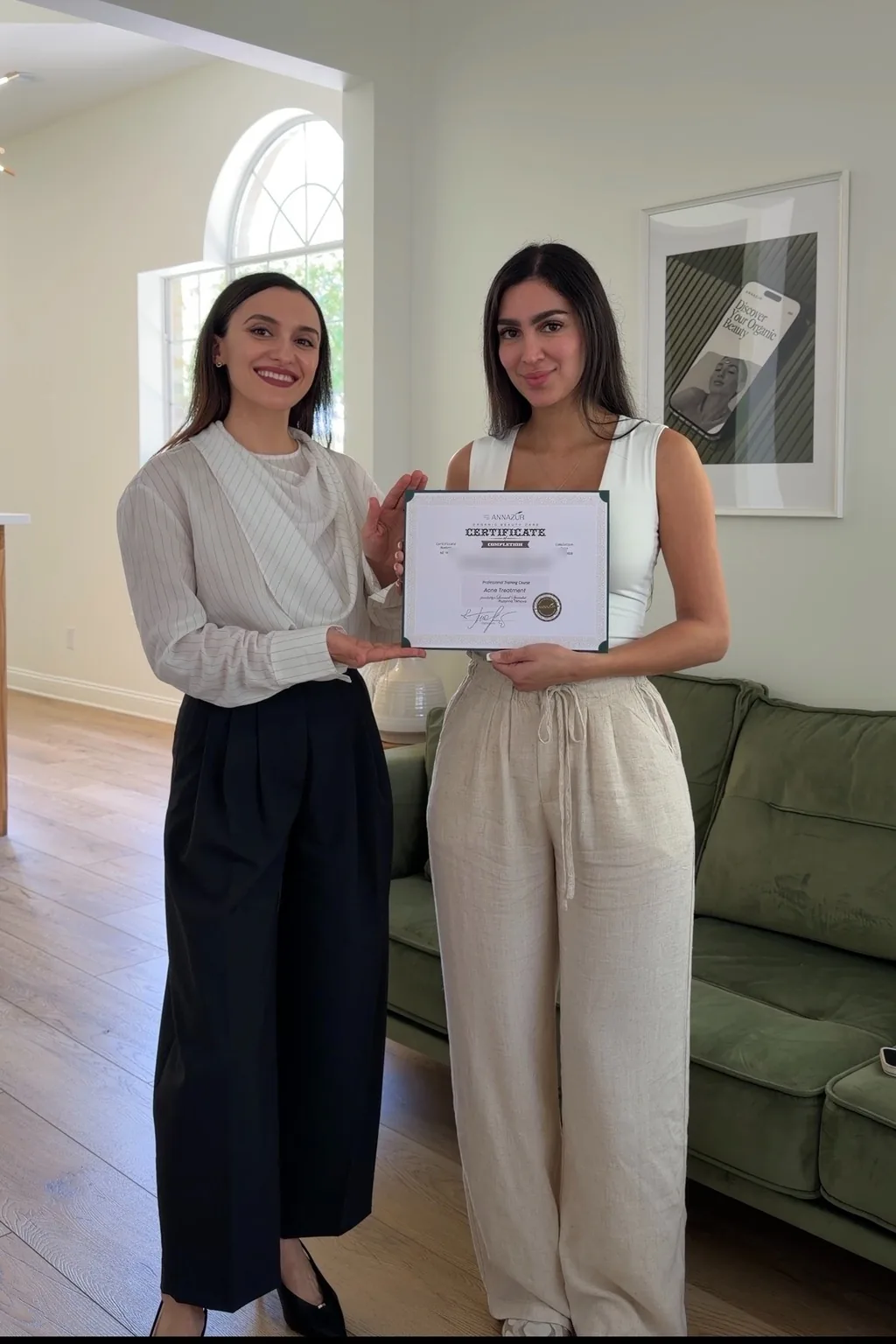
We do not issue licenses. No private studio in Florida can. The tattoo artist license comes from the Department of Health, and the facial specialist registration comes through a licensed cosmetology school and the Department. Anyone advertising a “certification” that replaces either one is selling you something that does not exist.
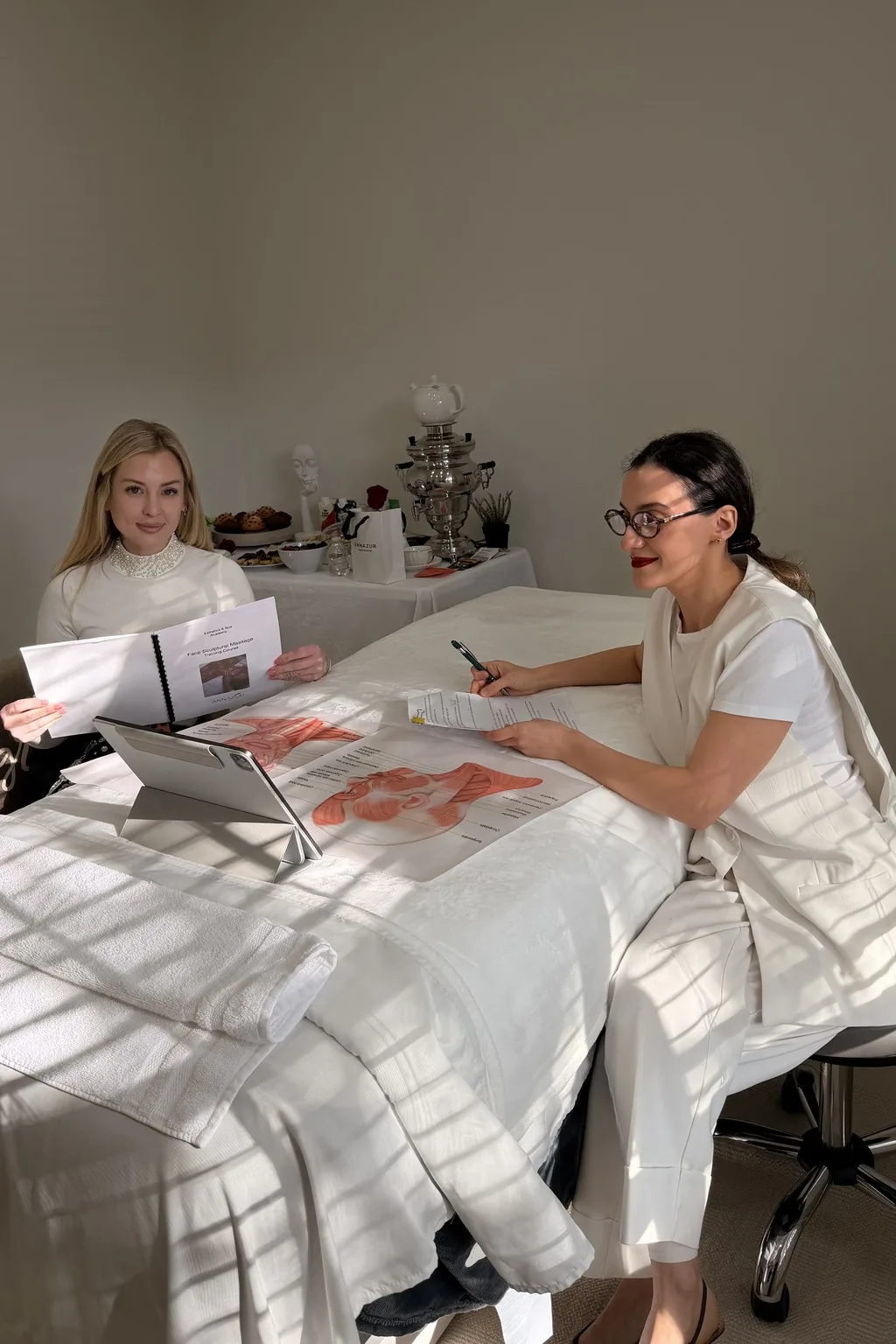
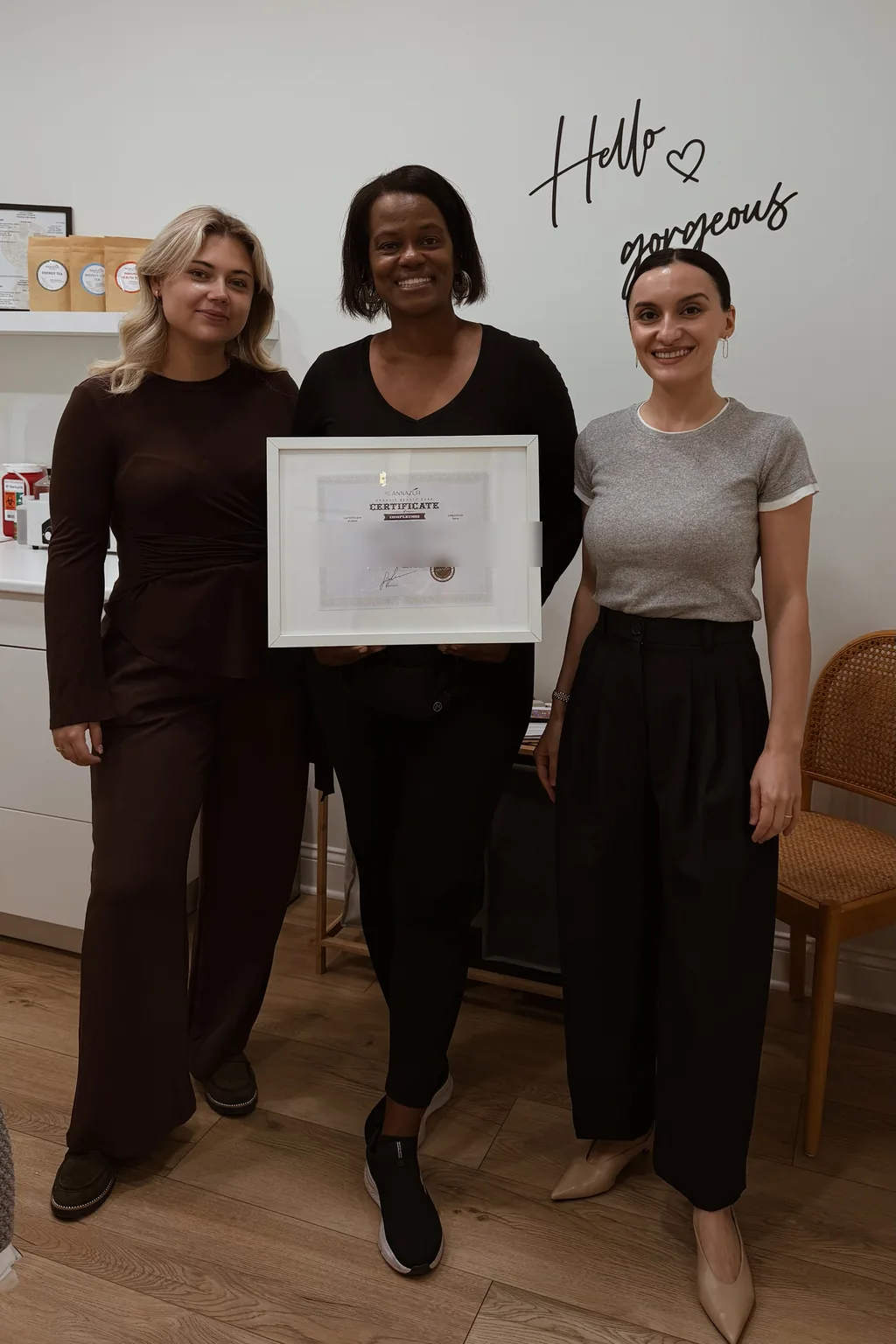
For permanent makeup, we can be the establishment on your application. Both ANNAZUR locations are licensed tattoo establishments, which means our students are not left hunting for the one line on the form that stops most applicants. You take the approved course, we teach the technique, and you name us as the establishment where you will work.
There is a second part to that, and it is the one that saves most people a month. Our permanent makeup training includes Florida licensing assistance: before the in-person days begin, you and your trainer prepare and complete the application paperwork together, so the application is filed early and the license can be issued in time. Florida requires an active tattoo artist license even for a student tattooing a live model in training, so it is the issued license, not the submitted paperwork, that lets that part of the course go ahead. We cannot issue the license — only the Department of Health does that — but we can make sure the application leaves your hands complete.
For esthetician licensing, we are not your first call. We do not run a license-track program and we cannot take someone from zero to esthetician — that needs a cosmetology school and 220 hours. What we run is continuing education for people who already work in the field. If you are starting from nothing on the skin-care side, get licensed first, and we will see you after.
Rules and fees change, and counties set their own surcharges. Confirm current requirements with the Florida Department of Health or your county health department before you apply.
Also in this series:
The short version.
- Tattooing: microblading, powder brows and lip blush are tattooing under Florida law, not cosmetology.
- Wrong license: an esthetician license does not authorize permanent makeup, however advanced the holder.
- One course: a Department-approved Florida communicable disease course, passed at 70 percent. The certificate never expires.
- Budget three things: the course, the state fee and a county surcharge. Your county health department quotes the current figures.
- An establishment: you must name a licensed tattoo establishment on the application. This is where most applicants stall.
- One year: the license runs a year from issue and is renewed annually — it is not one-and-done.
See our permanent makeup training, or book a free consultation with an instructor at the spa. The free consultation for permanent makeup courses is held at our Hodges location, 13400 Sutton Park Dr S, Jacksonville.
Book permanent makeup trainingPermanent makeup licensing. Questions answered plainly.
Do I need an esthetician license to do permanent makeup in Florida?
No. You need a tattoo artist license. An esthetician license does not cover permanent makeup or micro-needling with pigment.
Is there an apprenticeship requirement?
No. Florida does not require an apprenticeship for a tattoo artist license.
How long does it take?
The communicable disease course is a single sitting, online or in person from an approved provider. The technical skill is the part that takes time — the license is the paperwork around it.
I am licensed in another state. Can I work here?
There is a guest registration for visiting artists, valid for up to 14 consecutive days. The form has to be filed with the county health department at least 14 days before you work, so it is not something to arrange on arrival.
Does the license expire?
Yes. The license is valid for one year from the date it is issued and must be renewed annually; an unrenewed license becomes inactive. The Department-approved bloodborne pathogen course certificate is the part that does not expire — you take that once.
Can ANNAZUR be the establishment on my application?
For permanent makeup, yes. Both locations are licensed tattoo establishments. For esthetician licensing we cannot help — that route runs through a cosmetology school.