Eyeliner healing: swelling, flaking and the panic call
Permanent eyeliner typically swells for the first day or two, darkens, then flakes as it heals, with the settled result emerging over the following weeks. Healing, skin construction and pigment behavior are covered in the guided online theory at ANNAZUR Academy, because managing the client through healing is as much a part of the work as the procedure.
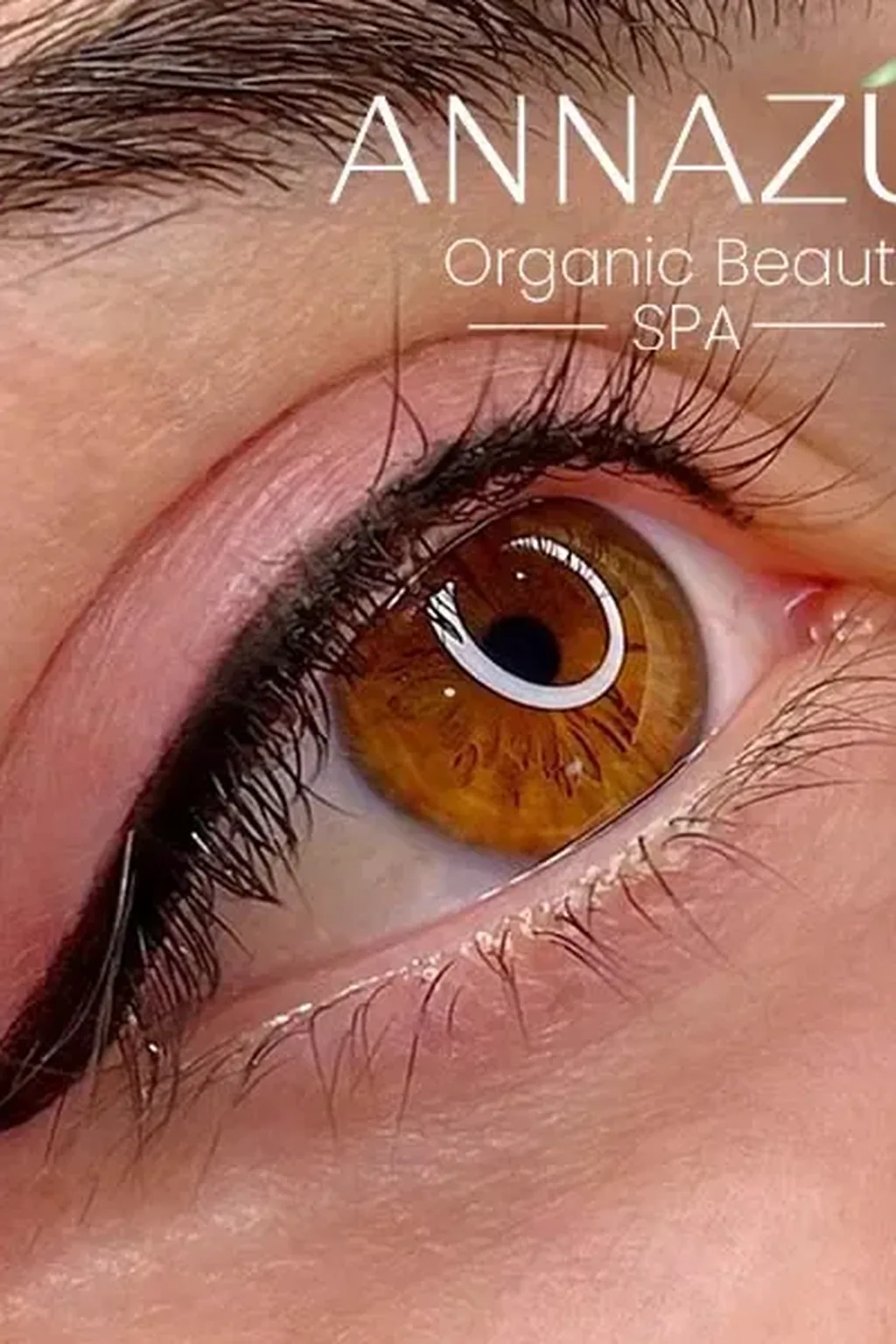
The eyeliner complaint almost always arrives on day two, when the client wakes with puffy lids and a line that looks twice as thick as the one she agreed to. Nothing has gone wrong. Nobody told her.
Swelling is the first surprise
Eyelids swell more readily than any other area you will work on, and they do it overnight. A client who was delighted leaving the chair can wake up alarmed, and in that state the line genuinely does look heavier than it is.
Say it beforehand, by name, with a timeframe. Said in advance it is information; said afterwards it sounds like an excuse.
Then it darkens, then it flakes
The pigment looks stronger for the first days, then the surface begins to flake. Flakes along the lash line come away with lashes attached sometimes, which frightens people who were not warned.
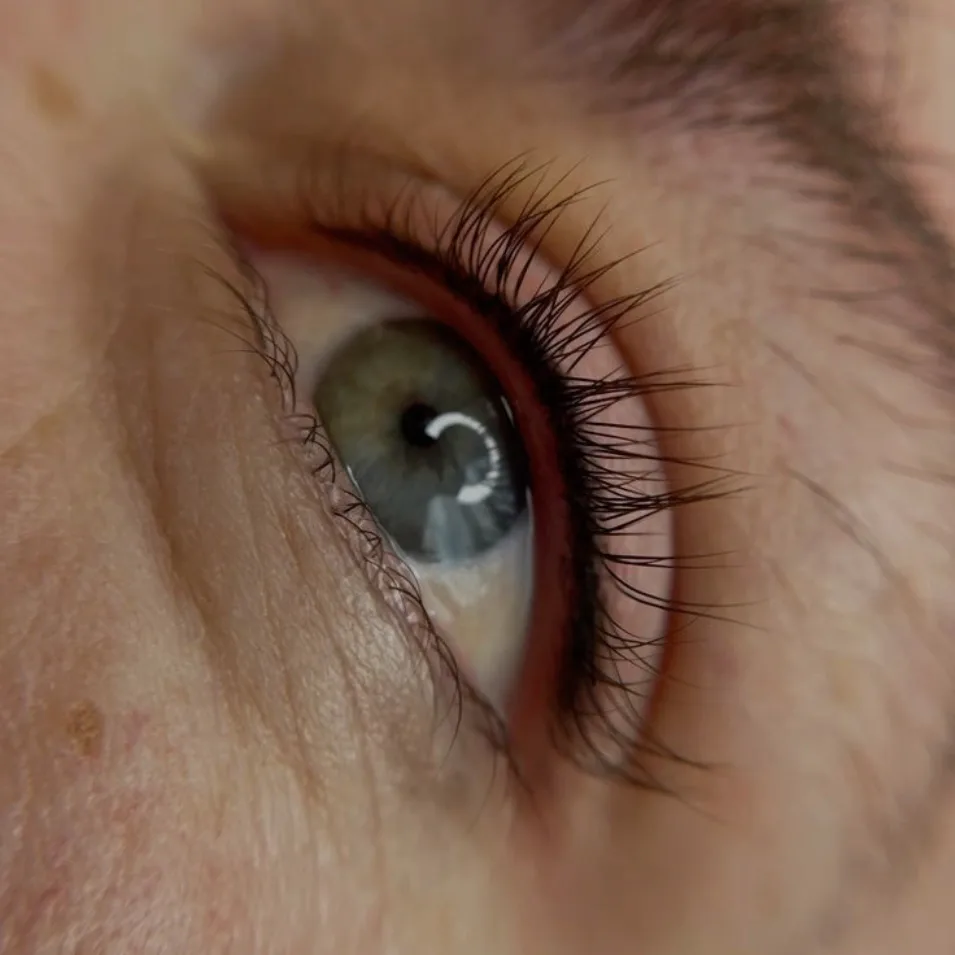
Nothing is to be picked, rubbed or helped along. Picking at a healing lash line is the commonest cause of a patchy result, and unlike a brow there is very little area in which to correct it later.
What clients must avoid
No rubbing, no eye makeup on the healing area, no lash extensions or lash lifts until healed, and care with water, steam and swimming. Mascara goes back on later than clients expect.
Write it down. Aftercare told verbally to someone who has just had a procedure next to their eye is aftercare that will be half remembered.
Getting day-two panic calls? That is a briefing problem, and the consultation is free.
The settled result takes weeks
The final color and apparent thickness emerge over the following weeks as the surface recovers. A line that looks too strong on day two rarely looks too strong at the end, and judging the result before then is how clients and artists both panic.
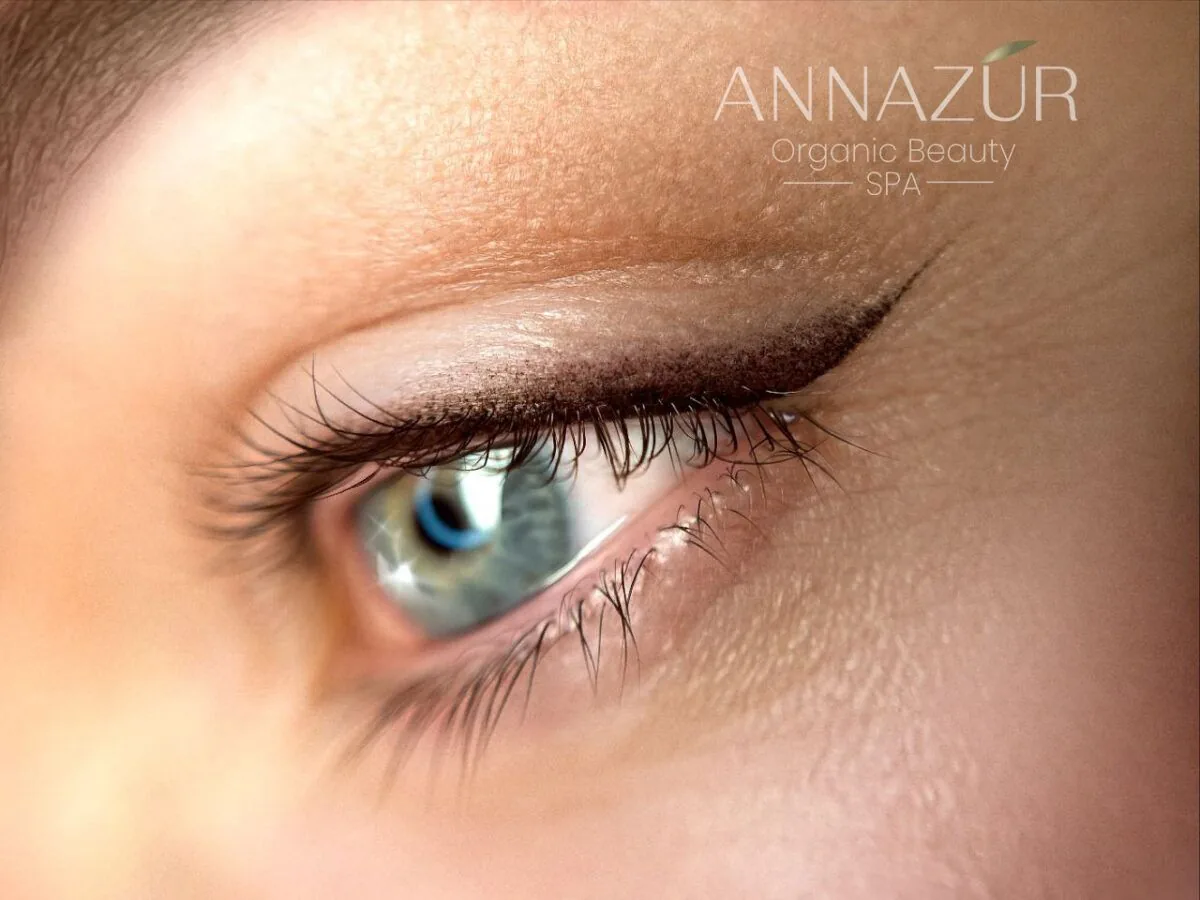
A touch-up is normal rather than a failure, and framing it that way from the first consultation changes how the whole process is received.
Who should not book
Some clients should not be booked, or should be seen by a doctor first. Active eye infection or irritation, recent eye surgery, and various conditions and medications all matter here. Safety and contraindications are covered in the theory, and the rule is simple: if it concerns the health of the eye, it belongs with a doctor and not with you.
Asking before booking costs a conversation. Finding out afterwards costs considerably more.
Where healing is taught
Skin construction, skin types, pigment behavior and healing sit in the guided online theory, with instructor feedback as you work through it, and the in-person days put it against a real lid under supervision.
The month of Telegram support afterwards is where the cases that do not match the textbook get answered. Course details are on the course page.
Also in this series:
The short version.
- Swelling: worst in the first day or two, and it arrives overnight.
- Flaking: comes away with lashes sometimes; nothing is picked.
- Write it down: verbal aftercare next to an eye is half remembered.
- Weeks, not days: judging the result on day two panics everyone.
- Eye health: anything medical goes to a doctor, not to you.
See the permanent eyeliner course, or book a free consultation with an instructor at the spa. The free consultation for permanent makeup courses is held at our Hodges location, 13400 Sutton Park Dr S, Jacksonville.
See the eyeliner courseEyeliner healing. Questions answered plainly.
How long does permanent eyeliner take to heal?
Swelling is most obvious in the first day or two, flaking follows, and the settled result emerges over the following weeks.
Why does the line look thicker at first?
Swelling and the stronger initial pigment. It almost always settles finer than it first appears.
Can clients wear mascara while healing?
Not on the healing area, and later than most expect. It belongs in written aftercare.
What about lash extensions or a lift?
Not until healed. Book them afterwards, not before or during.
Is a touch-up normal?
Yes. Framing it as part of the process from the start changes how the first result is received.
When should a client see a doctor?
Any sign of eye infection or irritation beyond normal healing. That is medical, not cosmetic.