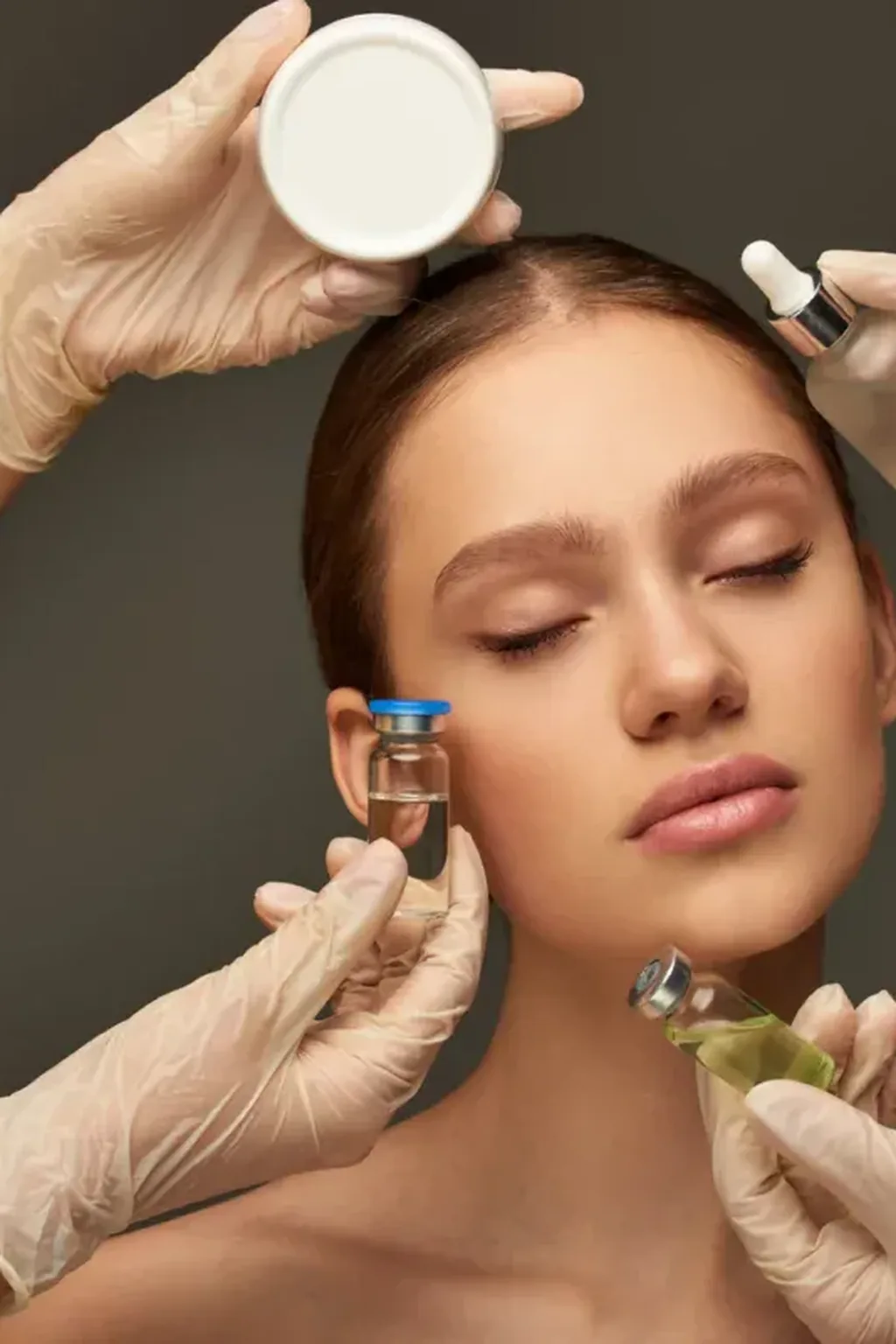
How to get permanent makeup clients when you are starting out
Getting permanent makeup clients comes down to honest photographs of healed work, consistent lighting and a complete profile where people actually look. ANNAZUR Academy in Jacksonville, Florida covers promotion and portfolio photography inside its PMU training.
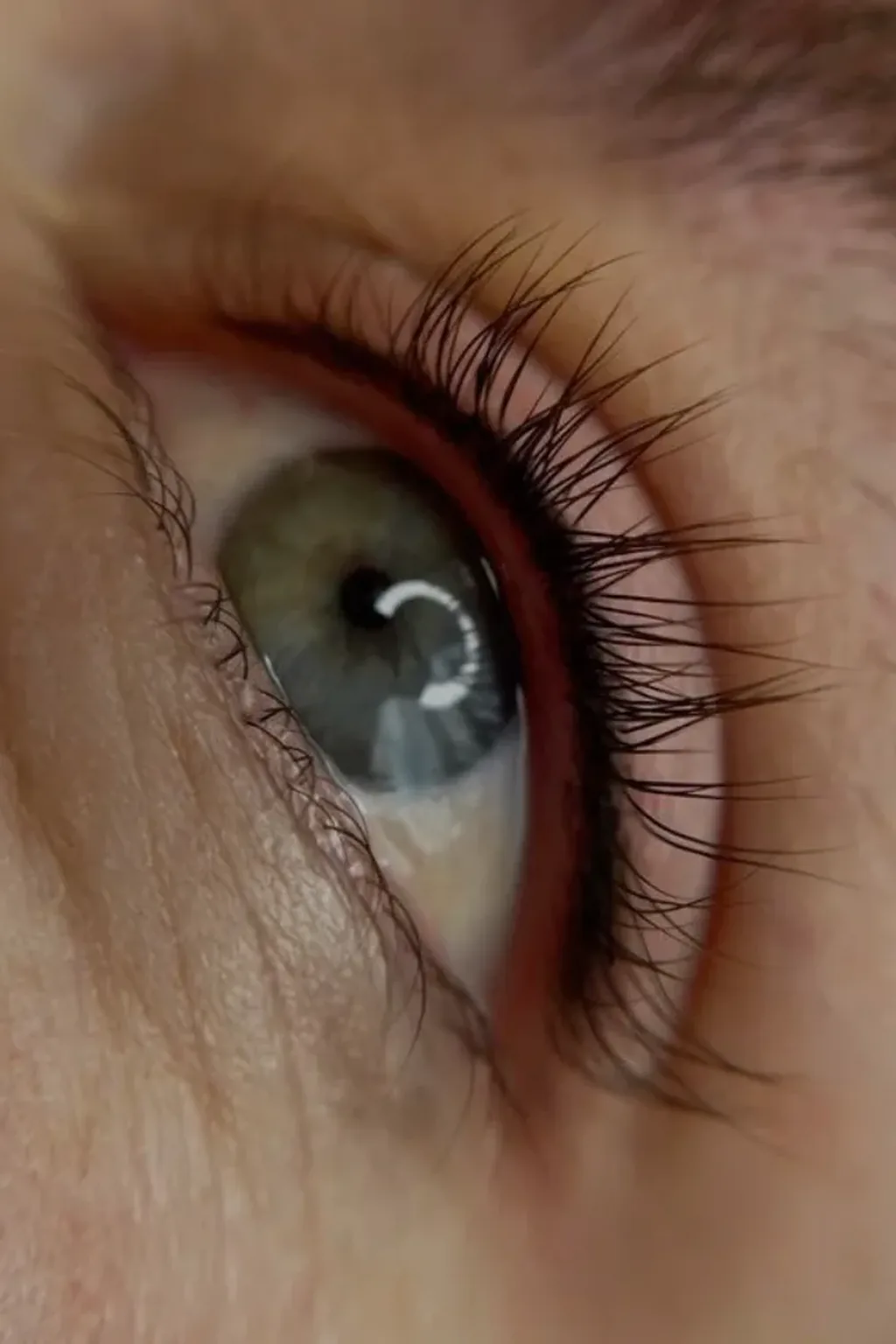
Two artists do identical work. One photographs it under a ring light at arm’s length with a phone, the other does not. Only one of them has a waiting list, and it is not a coincidence.
Lighting first, camera second
Phone cameras are good enough. Lighting usually is not. Mixed light sources shift color, overhead light casts the lash line into shadow, and a window behind the client silhouettes the exact detail you are trying to show.

One consistent, even, front-facing source is the whole trick, and the course includes a video lesson specifically on correct lighting for photography and video, because it is the single cheapest improvement available to a new artist.
Same angle, every time
Before and after only prove something if nothing else changed. Same distance, same angle, same light, same eye position, no makeup. Shoot the before immediately before you start, not from memory.
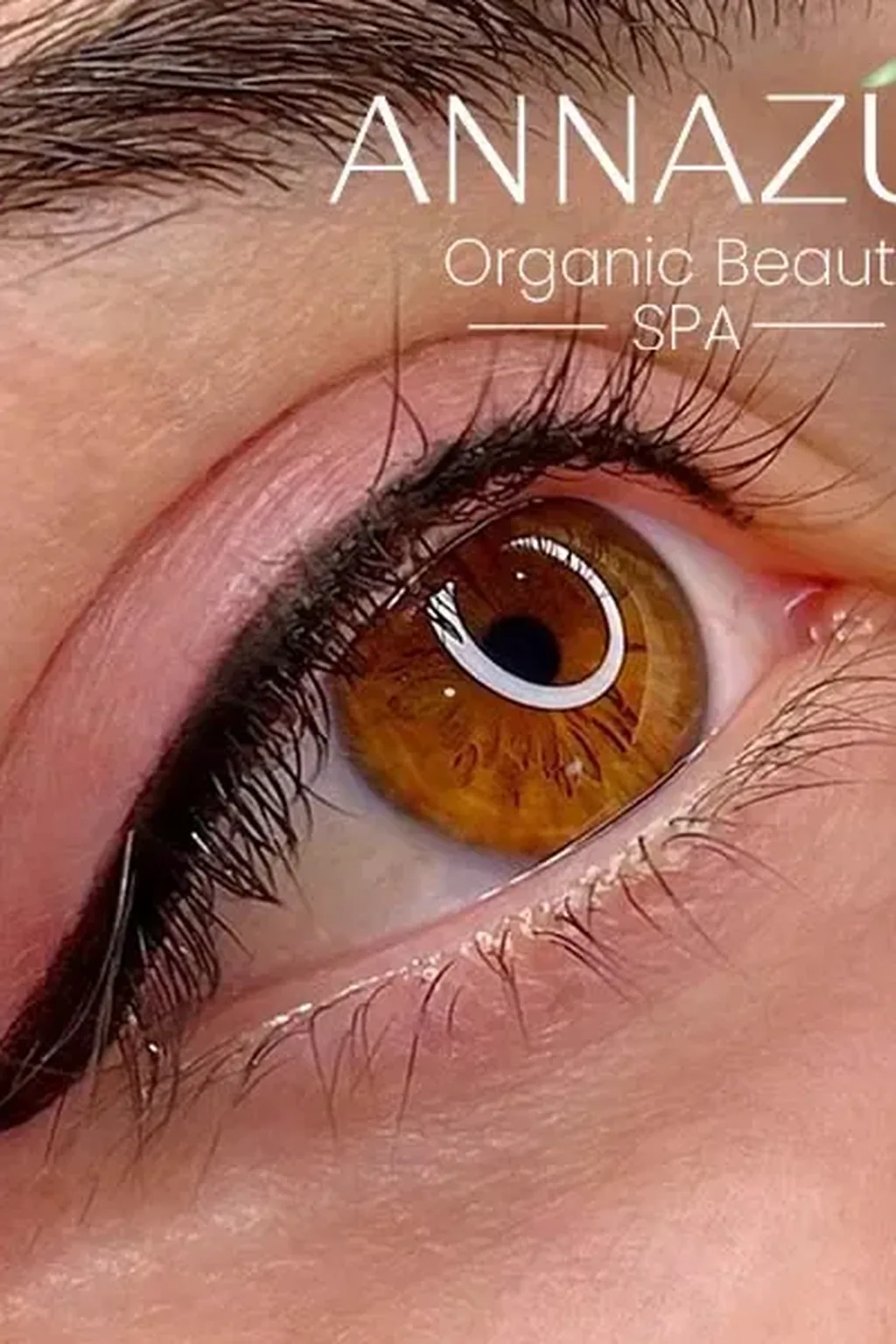
Eyeliner is unforgiving here: a few degrees of head tilt changes the apparent thickness of a line, and a client comparing two photographs will see that before she sees your technique.
Photograph healed work
Fresh is darker and sharper than healed. A portfolio of day-one photographs sets an expectation that healing will not keep, and you spend the following month reassuring people instead of booking them.
Take the healed photograph at the touch-up appointment. It gets you the picture and gets the client back through the door.
Good work that nobody books? Usually a photography problem. Ask at the consultation.
What to post before you have a portfolio
Process, not promises. Your workspace, your sanitation routine, mapping, the consultation, what a client should expect on the day. For eyeliner specifically, show that you work calmly and cleanly near an eye — that is what a nervous client is buying.

The course includes models for independent practice and for building those first photographs, which is how you get past the chicken-and-egg problem of needing work to get work.
Where artists are found now
The honest answer changes every couple of years, which is why the course includes a current video lesson on self-promotion: which platforms to use and step-by-step instructions, updated for 2026 rather than inherited from whenever your instructor started.
What does not change: a complete, accurate profile, consistent posting and photographs that stand up when someone enlarges them.
Honest photographs only
No filters on results, no smoothing, no color correction toward the result you wanted. A client who books from an edited photograph and heals to the real thing leaves a review that costs more than the booking was worth.
Course contents and bonuses are on the course page.
Also in this series:
The short version.
- Lighting: one even, front-facing source; it beats a better camera.
- Consistency: same angle, distance and light, or the comparison proves nothing.
- Healed only: day-one photographs promise what healing will not keep.
- Post process: careful and clean is what a nervous eye client is buying.
- No filters: an edited result books a client who will be disappointed.
See the permanent eyeliner course, or book a free consultation with an instructor at the spa. The free consultation for permanent makeup courses is held at our Hodges location, 13400 Sutton Park Dr S, Jacksonville.
See the eyeliner coursePortfolio and promotion. Questions answered plainly.
Do I need a proper camera?
No. Lighting and consistency matter far more than the phone you use.
When should I take the healed photograph?
At the touch-up appointment, which also brings the client back.
What should I post before I have results?
Process: workspace, sanitation, mapping, consultation, what to expect.
Is editing results acceptable?
No. A client who books from an edited photograph will be disappointed by the real one.
Does the course cover promotion?
Yes — a video lesson on self-promotion in 2026, platform by platform, plus one on lighting.
Where do the first portfolio photographs come from?
Models for independent practice are part of the program.